
 Save
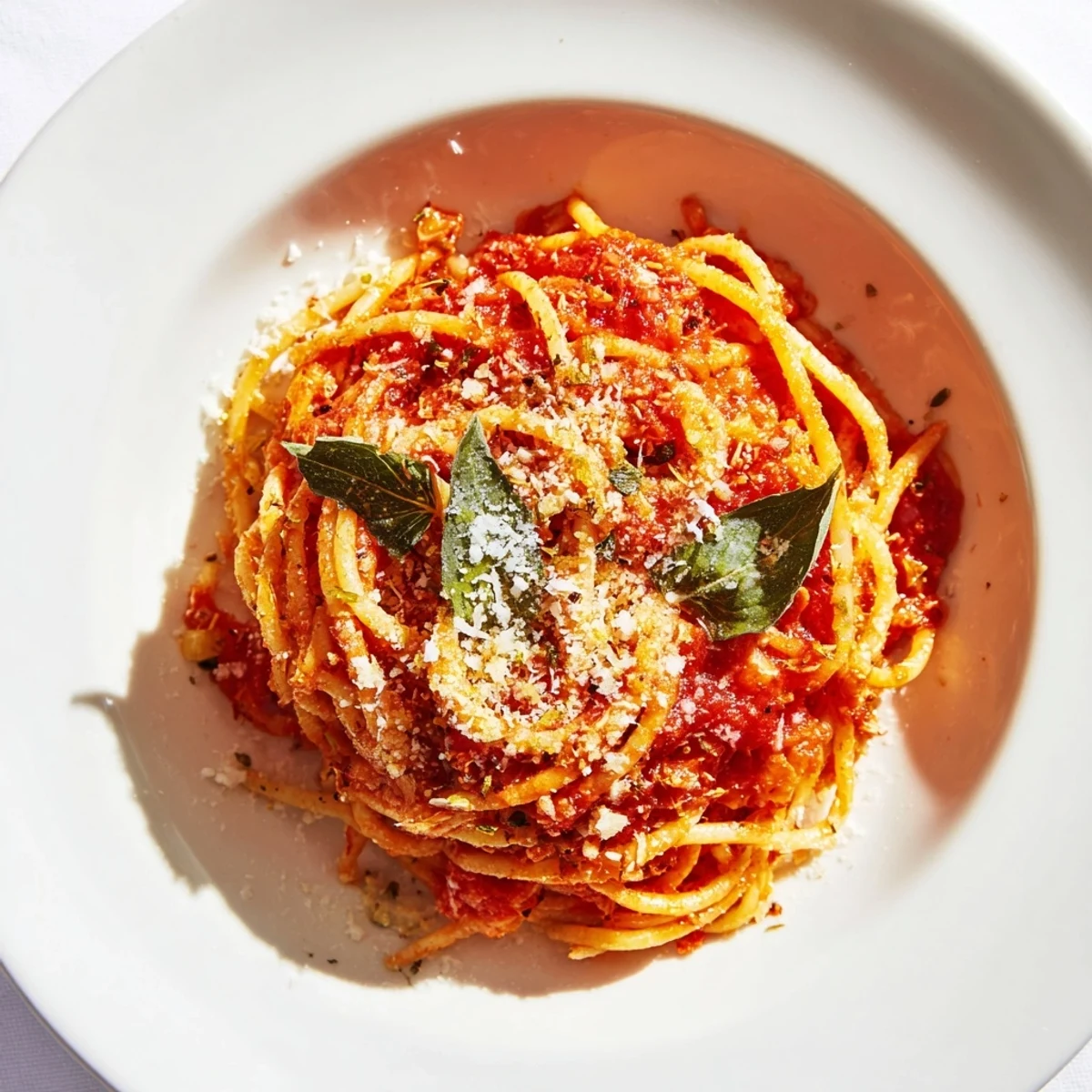
Save This classic Italian dish features perfectly cooked pasta enveloped in a vibrant tomato sauce simmered with garlic, onion, and fragrant herbs like oregano and basil. The sauce is slowly thickened to develop deep flavors, then combined with the pasta to create a comforting and satisfying meal. Garnished with fresh basil and optional Parmesan, it offers a delightful balance of acidity and sweetness, ideal for an easy, wholesome main course.
There's something almost meditative about the smell of garlic and onions hitting hot olive oil—that exact moment when you know a proper meal is coming together. I'd been searching for the kind of tomato pasta that tastes like someone who actually loves cooking made it, not something rushed or overly complicated. One Thursday evening, I stood at my stove with what felt like the simplest ingredients, and something just clicked. The sauce built slowly, deepening in color and richness, and by the time I tossed it with fresh pasta, I understood why this dish has been a cornerstone of Italian cooking for generations.
I made this for my roommate after a particularly rough day at work, and watching her face soften as she took the first bite reminded me that pasta isn't just food—it's a small gesture that says someone cared enough to cook. She asked for the recipe before she even finished the bowl, which is when I knew this wasn't just my favorite anymore.
Ingredients
- Dried spaghetti or penne (400g / 14 oz): Choose pasta with a slightly rougher texture so the sauce clings to every curve—this makes an enormous difference in the final dish.
- Olive oil (2 tbsp): This is where flavor starts, so don't reach for the bottom-shelf bottle; mid-range extra virgin makes a noticeable difference.
- Medium onion, finely chopped (1): The base of everything—finely chopped means it melts into the sauce rather than lingering as visible pieces.
- Garlic cloves, minced (3): Mince by hand if you can; the pressure releases oils that taste sharper and more alive than pre-minced.
- Canned crushed tomatoes (800g / 28 oz): San Marzano tomatoes are the gold standard, but any quality crushed tomato works—avoid the watery ones if possible.
- Tomato paste (2 tbsp): This concentrate deepens the sauce without watering it down; it's your flavor amplifier.
- Sugar (1 tsp): A tiny pinch balances the acidity of tomatoes—you're not making it sweet, just rounding the rough edges.
- Dried oregano (1 tsp) and dried basil (1 tsp): These dried herbs bloom in the heat and warm sauce, becoming more floral than they would be raw.
- Chili flakes (1/2 tsp, optional): Just enough to whisper spice without overwhelming; add more only if you want heat to be the star.
- Salt and black pepper to taste: Season as you go, not all at the end—this allows each layer to taste like itself.
- Grated Parmesan cheese (30g / 1/4 cup) and fresh basil leaves: These finish the dish with brightness and texture that canned and dried ingredients can't quite achieve alone.
Instructions
- Get the water boiling:
- Fill a large pot three-quarters full with water and add a generous handful of salt—your water should taste like the sea. Once it's rolling at a true boil, add the pasta and stir immediately to prevent sticking. This gives you about 8–10 minutes to focus on the sauce while the pasta cooks.
- Build the sauce foundation:
- Heat olive oil over medium heat until it shimmers slightly, then add your chopped onion. Listen for that soft sizzle, not a violent sear—you want the onion to gently surrender to the heat, turning translucent and fragrant in about 3–4 minutes.
- Wake up the garlic:
- Once the onion is soft, add the minced garlic and cook for just 30 seconds. This is where timing matters; any longer and it turns bitter, any shorter and it stays raw underneath the sauce.
- Bring in the tomato base:
- Add the crushed tomatoes, tomato paste, sugar, oregano, basil, and chili flakes all at once. The paste will seem stubborn at first—stir firmly to break it up and distribute it evenly so there are no concentrated pockets of intensity.
- Let it simmer and thicken:
- Reduce heat to low-medium and let the sauce bubble gently for 10–12 minutes, stirring occasionally. You're watching for it to go from watery and bright to thick and glossy, with bubbles that break slowly on the surface.
- Marry the pasta and sauce:
- Drain your pasta into a colander, but keep that pasta water nearby. Toss the hot pasta directly into the sauce, then add reserved pasta water a splash at a time until the sauce coats each strand without pooling at the bottom.
- Finish and serve:
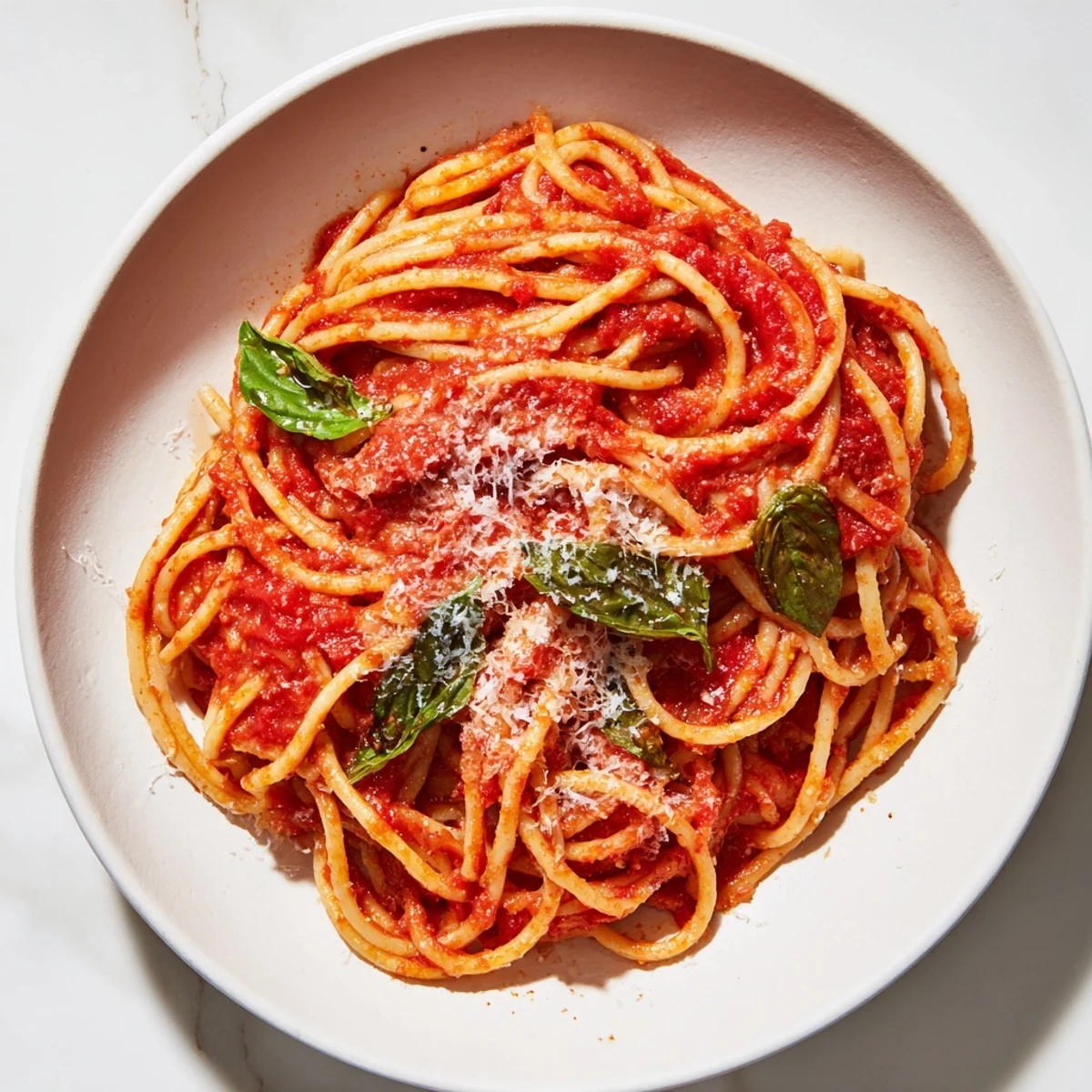
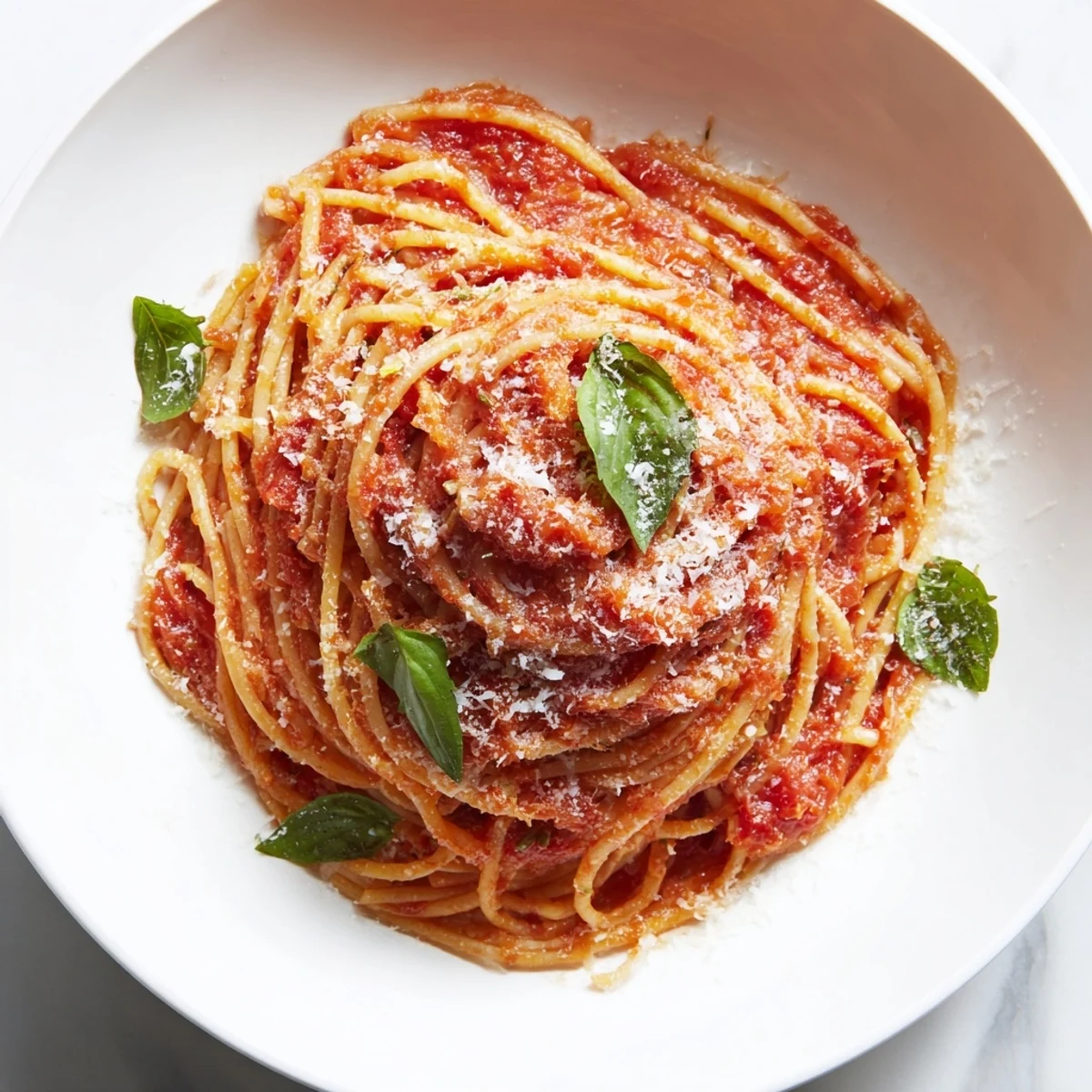
- Top with a handful of grated Parmesan and a few torn fresh basil leaves. The residual heat will soften the basil just slightly, releasing its aroma over the warm dish.
 Save
Save The first time I served this to someone who'd just moved to the city and was feeling homesick, they said it reminded them of their grandmother's kitchen. That's when I realized that simple, honest cooking can reach across time and memory in ways nothing else quite can.
The Importance of Timing
Pasta pasta waits for no one—that's the cardinal rule. Everything should be ready before you drain the noodles so that the transition from pot to sauce to bowl happens while everything is still steaming. There's a 2–3 minute window where the dish sings; miss it and you're eating good food that's just slightly past its prime. The sauce should still be actively hot, and the pasta should be just shy of room temperature when they meet.
Variations That Work
Once you know this base by heart, it becomes a canvas. I've stirred in roasted red peppers for sweetness, added a handful of spinach that wilts right into the heat, even thrown in caramelized mushrooms for an earthier depth. The architecture of the dish stays exactly the same; you're just choosing which flavors you want to highlight. The magic is that no matter what you add, you're still cooking something that tastes intentional and complete.
Building Flavor Layer by Layer
The most important thing I've learned about tomato sauce is that it's not about dumping everything in at once and hoping—it's about building. You're creating layers: the aromatics first, then the deep tomato base, then the seasonings that tie everything together. Each step has a moment where your senses tell you it's ready to move forward. This isn't about following instructions robotically; it's about learning to trust what you see, smell, and hear at your stove.
- If your sauce tastes one-note or flat, it's usually asking for more salt or a tiny squeeze of lemon juice, not more herbs.
- Fresh pasta cooks so much faster than dried—if you ever use it, cut the cooking time in half and taste after 2 minutes.
- Leftover sauce keeps beautifully for 3 days and actually tastes better the next day as flavors continue to marry.
 Save
Save This recipe exists because good food doesn't need to be complicated to be meaningful. It's become the dish I make when I want to feel capable in the kitchen and also when I want to feed someone I care about without making a production of it.
Questions & Answers
- → What type of pasta works best?
-
Spaghetti or penne are ideal due to their ability to hold sauce well, but feel free to use your preferred shape.
- → Can I make the sauce spicier?
-
Yes, adding extra chili flakes enhances heat while keeping the tomato’s natural sweetness balanced.
- → How to make the sauce thicker?
-
Simmer the tomato mixture gently for several minutes to reduce excess liquid and intensify flavors.
- → Is it necessary to reserve pasta water?
-
Yes, reserved pasta water helps loosen the sauce and promotes better coating of noodles.
- → What are good garnish options?
-
Fresh basil leaves add aroma and color, while grated Parmesan adds a savory finishing touch.