
 Save
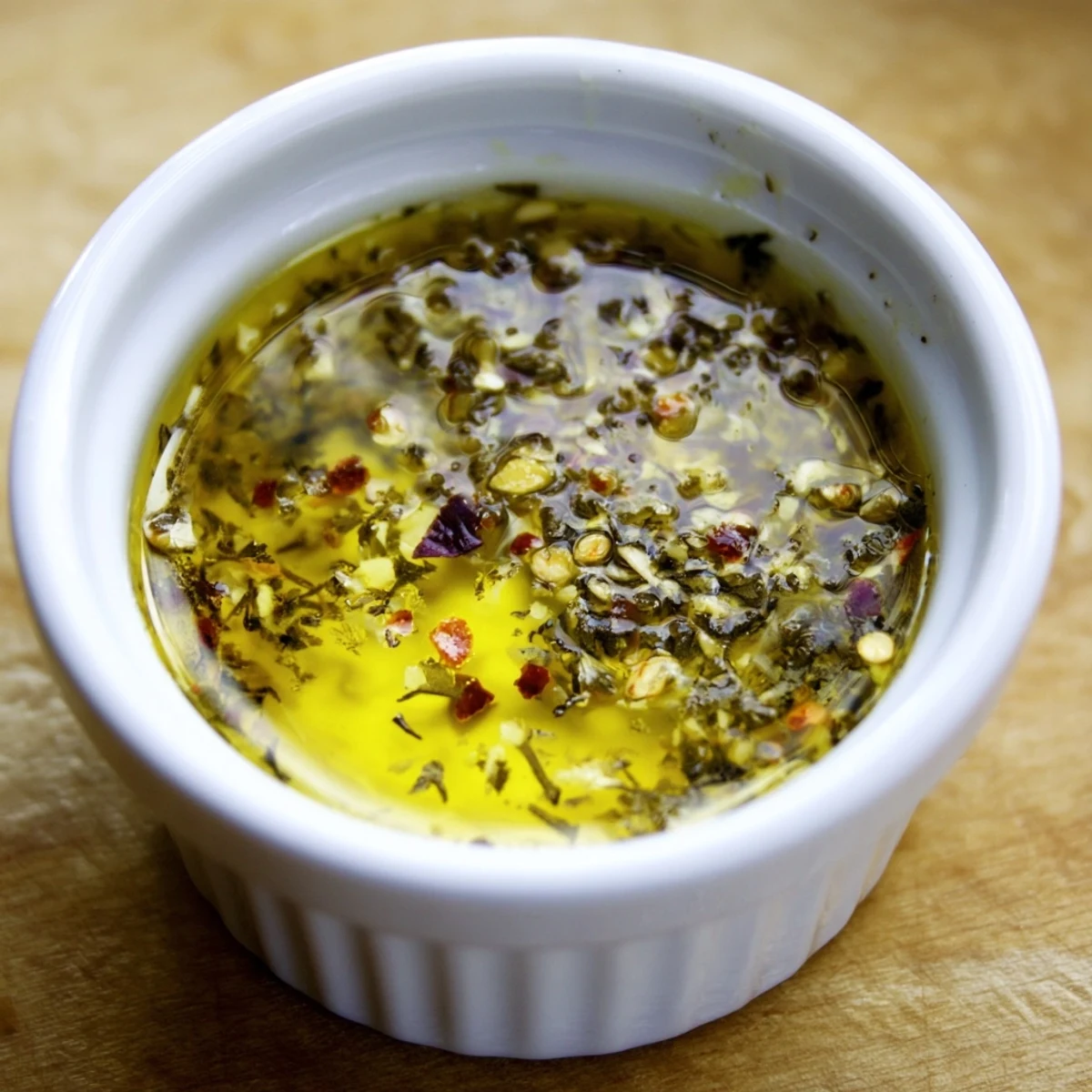
Save This Italian vinaigrette blends extra-virgin olive oil with red wine vinegar, lemon juice, Dijon, garlic and dried herbs for a bright, savory finish. Whisk the acids, mustard and aromatics together, then drizzle in oil while whisking to emulsify. Taste and adjust salt, pepper or a touch of honey. Keeps up to one week refrigerated; shake or whisk before serving.
The jar on my grandmother's counter was never labeled, but everyone in the family knew what was inside it. She would shake it once, drizzle it over whatever simple salad landed on the table, and suddenly lettuce tasted like a celebration. I spent years trying to replicate that bottle without ever asking her for the recipe, and honestly my version is a little different, but it carries the same spirit.
One summer evening I brought a big wooden bowl of mixed greens to a backyard potluck and poured this vinaigrette over the top in front of everyone. A friend who normally eats salad out of obligation went back for thirds and asked me to text her the recipe before the night was over.
Ingredients
- Extra virgin olive oil: Use the best quality you can find because this raw dressing lets the oil shine without hiding behind heat.
- Red wine vinegar: The backbone of the tang, and it pairs naturally with the dried herbs.
- Fresh lemon juice: Adds brightness that vinegar alone cannot quite achieve.
- Garlic, finely minced: One clobe is subtle, two is assertive, and either way it wakes up the whole jar.
- Dijon mustard: Acts as the emulsifier that keeps everything together and adds a gentle sharpness.
- Dried oregano, basil, and parsley: The classic Italian trio that makes this taste like something from a trattoria.
- Crushed red pepper flakes: Entirely optional but a tiny pinch gives the dressing a warmth that keeps you reaching for more.
- Honey or sugar: Balances the acid and rounds out the flavor without making it sweet.
- Kosher salt and freshly ground black pepper: Season to your taste and taste as you go.
Instructions
- Build the flavor base:
- In a medium bowl or a mason jar, combine the red wine vinegar, lemon juice, Dijon mustard, minced garlic, oregano, basil, parsley, red pepper flakes, honey if you are using it, salt, and pepper. Whisk or shake until the mustard dissolves and everything looks evenly mixed.
- Emulsify with oil:
- While whisking constantly, pour the olive oil in a very slow, thin stream. You will see the mixture transform from separated into something creamy and unified, so do not rush this part.
- Taste and adjust:
- Dip a piece of lettuce or a spoon in and decide if it needs more salt, acid, or a touch more honey. Trust your palate over any measurement.
- Store or serve:
- Use it right away or seal it in a jar in the refrigerator for up to one week. Always shake well before using because it will separate as it sits, and that is completely normal.
 Save
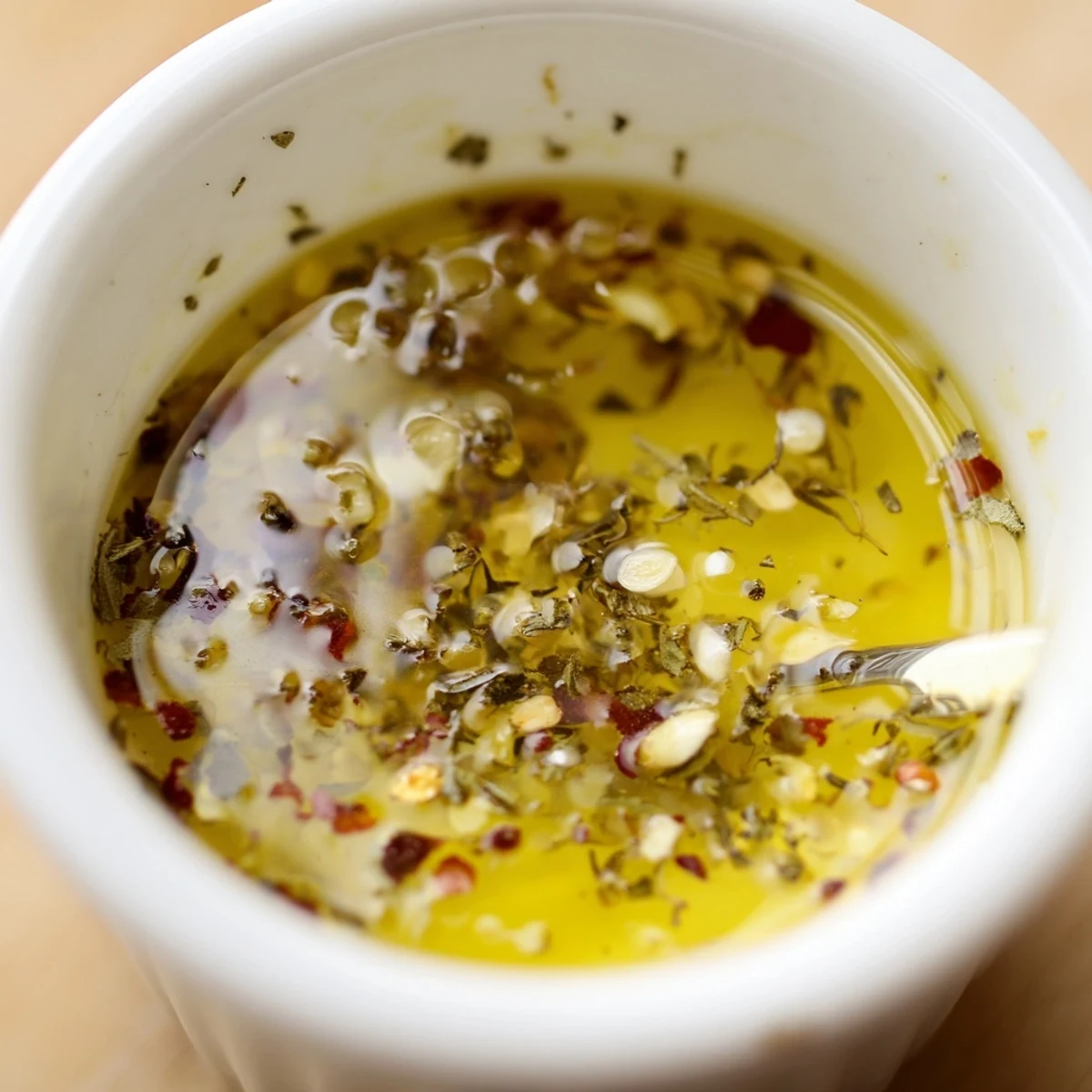
Save There is something quietly satisfying about a jar of homemade vinaigrette sitting in the fridge door, ready whenever you need it. It turns a random Tuesday lunch into something that feels intentional and cared for.
Swaps and Variations
White wine vinegar works beautifully if you prefer a gentler acidity, and a spoonful of grated Parmesan stirred in at the end adds a savory depth that is hard to resist. If you are using this as a marinade for chicken or grilled vegetables, double the batch because you will want plenty to go around.
Tools You Will Need
A mason jar with a tight lid is really all you need because you can mix, store, and shake everything in the same container. A whisk and a medium bowl work just as well if you prefer to see the emulsion come together with your own eyes.
A Few Last Thoughts
This dressing has a way of making simple meals feel special without any extra work or expense. Keep a jar in your refrigerator and you will find yourself reaching for it more often than you expect.
- Check your mustard label if you are cooking for someone with gluten sensitivity.
- A clove of garlic goes a long way here, so start with less if you are unsure.
- Shake the jar vigorously each time before pouring.
 Save
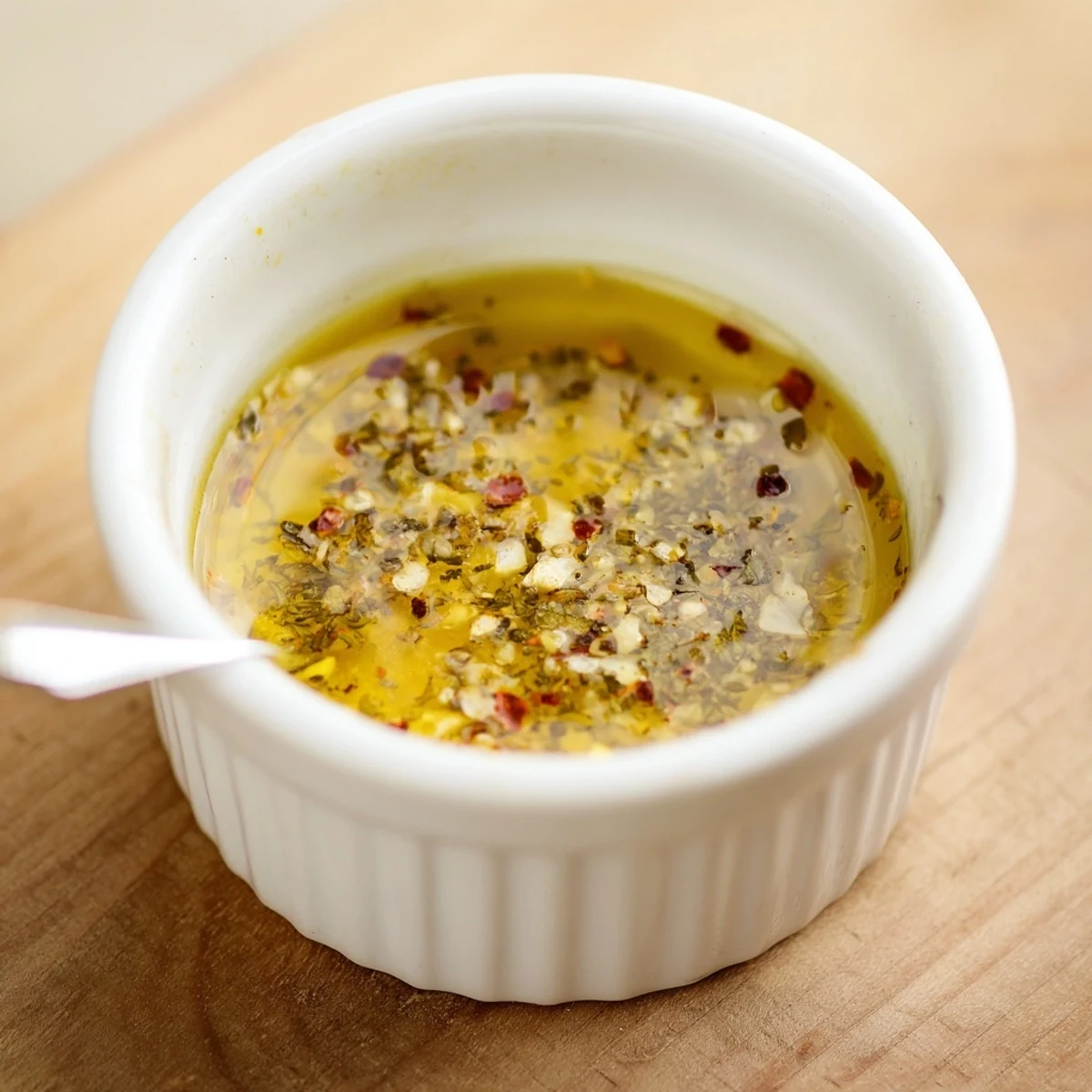
Save Once you start making vinaigrette at home, the store bought bottles will lose their appeal completely. This recipe is proof that the simplest things in the kitchen are often the most rewarding.
Questions & Answers
- → Can I use a different vinegar?
-
Yes. Substitute white wine vinegar for a milder tang or apple cider vinegar for a fruitier note. Adjust acid levels to taste and balance with a little extra oil if needed.
- → How do I get a stable emulsion?
-
Start by whisking the vinegar, mustard and aromatics first, then add oil in a slow, steady stream while whisking vigorously. Using Dijon mustard helps bind the oil and vinegar for a creamier emulsion.
- → How long does this vinaigrette keep?
-
Stored in an airtight container in the refrigerator, it will keep for up to one week. Flavors deepen over time; bring to room temperature or shake well before using to recombine.
- → Can I make it spicier or sweeter?
-
Yes. Increase crushed red pepper flakes for heat or add a teaspoon of honey or sugar for mild sweetness. Taste as you go to maintain balance between acid, oil and seasoning.
- → What dishes pair best with this vinaigrette?
-
It brightens green salads, pairs with grilled vegetables, and works well as a quick marinade for chicken, seafood or vegetables. Finish roasted vegetables with a drizzle for extra flavor.
- → Any tips for variations?
-
Stir in 2 tablespoons grated Parmesan for a richer finish (not dairy-free), swap fresh herbs for dried at a 3:1 ratio, or add minced shallot for a milder onion note.