
 Save
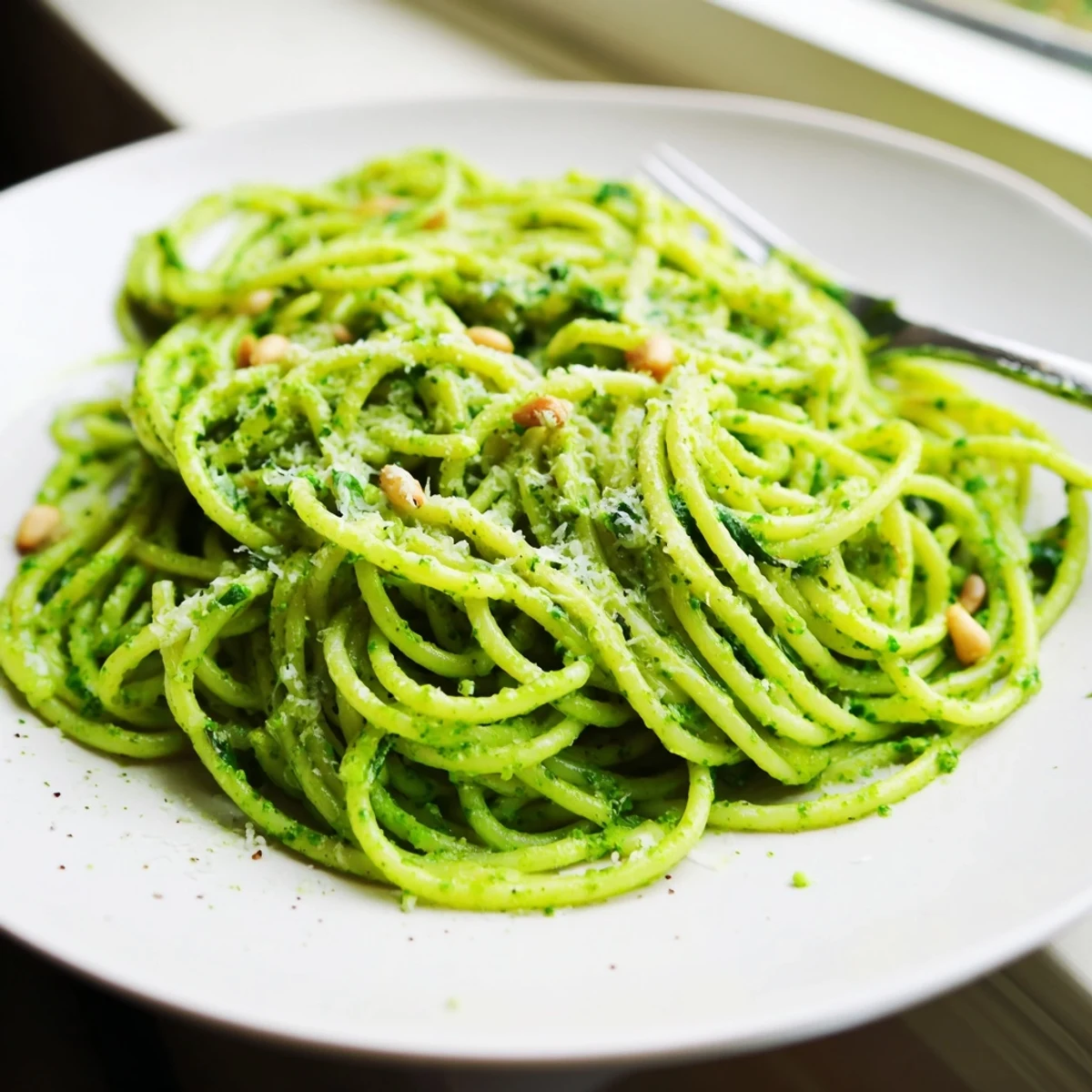
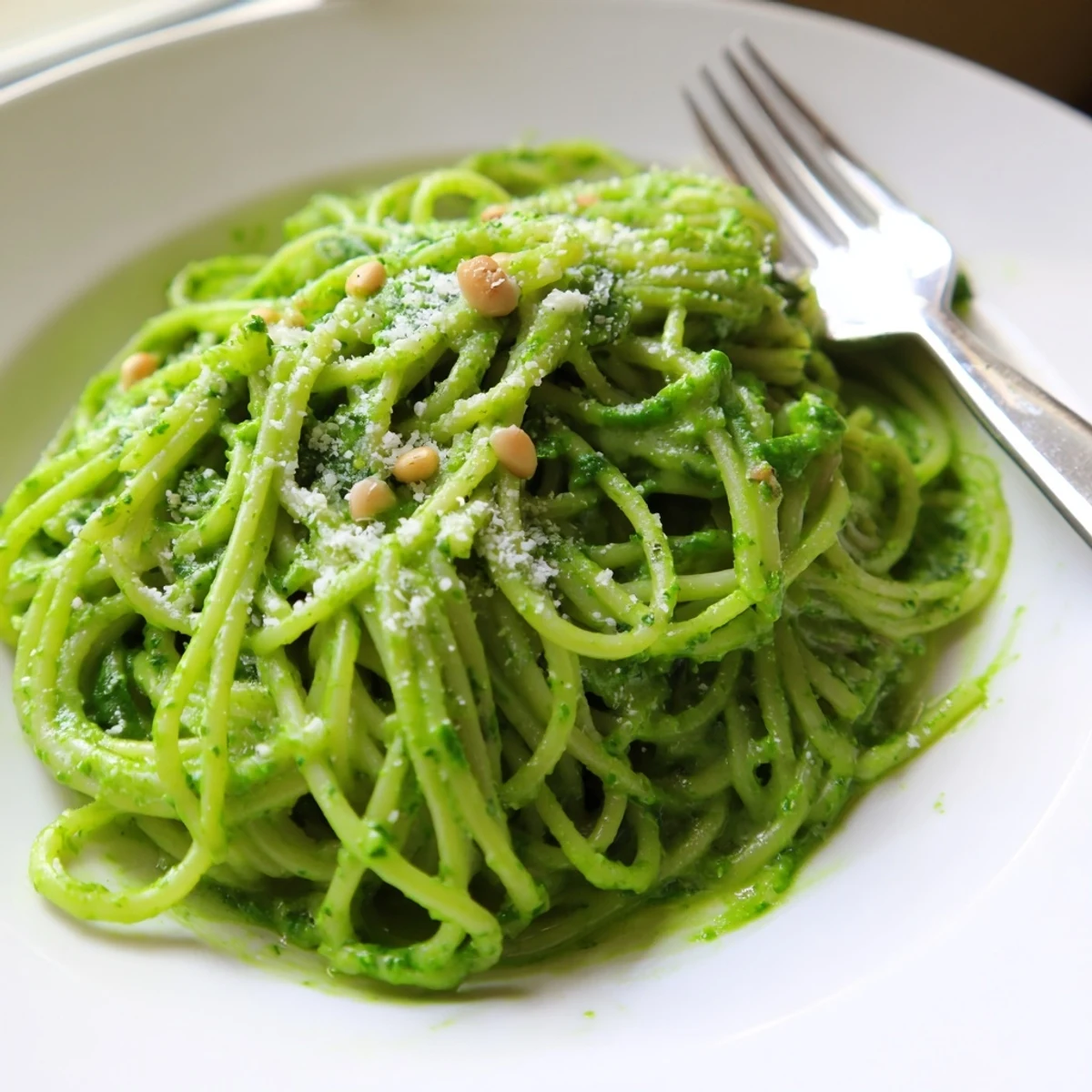
Save This wild garlic pesto pasta celebrates the best of spring produce in just 25 minutes. Fresh wild garlic leaves are blended with toasted pine nuts, Parmesan, and extra virgin olive oil into a vibrant green sauce that coats every strand of pasta.
The addition of lemon juice brightens the dish, while a splash of reserved pasta water ensures a silky, restaurant-quality finish. It's an easy, vegetarian main that works beautifully for weeknight dinners or casual entertaining.
Customize it with your choice of pasta shape, swap nuts to suit your budget, or make it vegan with nutritional yeast instead of Parmesan.
The smell hit me before I even saw the patch, a pungent, garlicky wave rolling off the riverbank where wild garlic grows in reckless abundance every April. I stuffed a bag full, biked home with leaves trailing from my jacket pocket, and made this pesto before the greens could even think about wilting. Twenty five minutes later I was eating the greenest plate of pasta I have ever made.
I made this for my neighbor Elena after she helped me chase my cat out of her garden at midnight. She stood in my kitchen doorway, still wearing slippers, took one bite, and refused to leave until I gave her the recipe.
Ingredients
- Wild garlic leaves (75 g): The star of everything here, rinse them well because grit hides in every fold and will ruin your silky pesto.
- Toasted pine nuts or walnuts (50 g): Toast them in a dry pan until golden and fragrant, burned nuts will make the whole batch bitter.
- Freshly grated Parmesan cheese (50 g): Grate it yourself off the block, pre grated cheese is coated in anti caking powder that makes the sauce grainy.
- Garlic clove (1): Just one, because the wild garlic already brings bold flavor and you do not want to overpower it.
- Extra virgin olive oil (100 ml): Use the good stuff here, it is the body of your pesto and a flat oil means a flat sauce.
- Lemon juice (half a lemon): This brightens everything and keeps that vivid green color from turning dull.
- Salt and black pepper: Season gradually and taste as you go, the cheese is already salty.
- Dried pasta (400 g): Spaghetti, linguine, or penne all work beautifully, choose whatever shape holds your heart.
- Salt for pasta water: The water should taste like mild seawater, this is your only chance to season the pasta itself.
- Optional garnish: Extra Parmesan and freshly cracked black pepper for serving.
Instructions
- Boil the pasta right:
- Bring a large pot of generously salted water to a rolling boil and cook the pasta until just al dente with a slight bite. Scoop out half a cup of that starchy pasta water before draining, it is liquid gold for your sauce.
- Build the pesto base:
- Drop the wild garlic leaves, toasted nuts, Parmesan, and garlic clove into a food processor. Pulse until you have a rough, textured chop, you are not going for paste just yet.
- Stream in the oil:
- With the processor running, pour the olive oil in a slow, steady stream until the pesto transforms into a smooth, vivid green sauce. Add the lemon juice, season with salt and pepper, and taste it on your finger to check the balance.
- Marry pasta and pesto:
- Toss the hot drained pasta with the pesto, splashing in reserved pasta water a little at a time until every strand is coated in a silky, glossy layer.
- Serve it proudly:
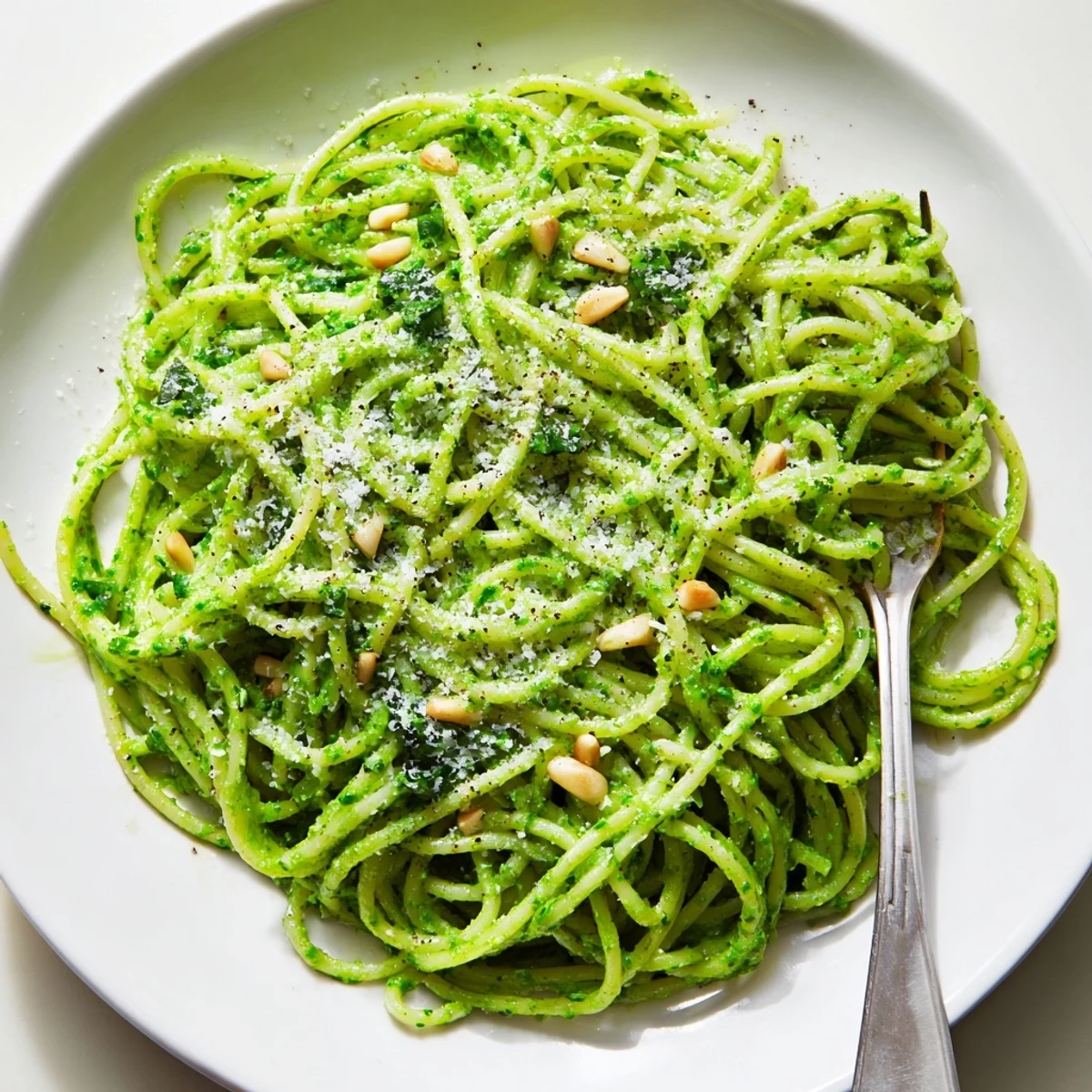
- Plate immediately while steaming, shower with extra Parmesan and a generous crack of black pepper, and watch the green gleam under the light.
 Save
Save There is something quietly magical about turning a handful of foraged leaves into dinner. It connects you to the season in a way no supermarket trip ever could.
What to Pair With This Pasta
A crisp Sauvignon Blanc or a chilled Pinot Grigio sits alongside this dish like an old friend. The citrus notes in both wines echo the lemon in the pesto and keep everything feeling fresh.
Making It Vegan Without Losing Soul
Swap the Parmesan for nutritional yeast and you might not even miss the original. The pesto stays punchy and complex, and the pasta remains just as comforting on a meatless Monday.
Storing Leftovers and Smart Swaps
Leftover pesto keeps in the fridge for up to three days if you press plastic wrap directly against the surface to slow oxidation. The pasta itself is best eaten immediately, but the pesto alone can be frozen for a month without losing its punch.
- Toasted almonds or cashews work just as well as pine nuts and cost a fraction of the price.
- A splash of pasta water is the difference between a clumpy mess and restaurant quality silk.
- Always taste your pesto before tossing, sometimes it needs more lemon or salt than you think.
 Save
Save Grab a bag, find a patch, and make this before spring slips away. Your kitchen will smell incredible and your dinner will take almost no effort at all.
Questions & Answers
- → What does wild garlic taste like?
-
Wild garlic has a mellow, fresh garlic flavor with subtle onion and chive notes. It's less pungent than regular garlic cloves and brings a delicate, green freshness that works beautifully in pesto.
- → Can I use regular garlic instead of wild garlic?
-
While you can make a classic basil pesto with regular garlic, wild garlic leaves provide a unique flavor that can't be fully replicated. If substituting, use a mix of fresh basil and baby spinach with one garlic clove for a similar vibrant result.
- → Where can I find wild garlic?
-
Wild garlic is in season from March to June and can be found at farmers' markets, specialty grocers, or foraged in woodland areas. Look for bunches with broad, vibrant green leaves and a strong garlicky aroma.
- → How do I store leftover wild garlic pesto?
-
Transfer leftover pesto to a jar, press plastic wrap directly on the surface, and refrigerate for up to 3 days. For longer storage, freeze in ice cube trays and thaw portions as needed.
- → What pasta shape works best with this pesto?
-
Long strands like spaghetti or linguine allow the pesto to coat evenly, while short shapes like penne or fusilli catch the sauce in their crevices. Choose whatever your family prefers — all work wonderfully.
- → Can I make this dish vegan?
-
Absolutely. Replace the Parmesan with nutritional yeast or a plant-based hard cheese alternative. The pesto will still deliver plenty of savory, umami flavor without any dairy.