
 Save
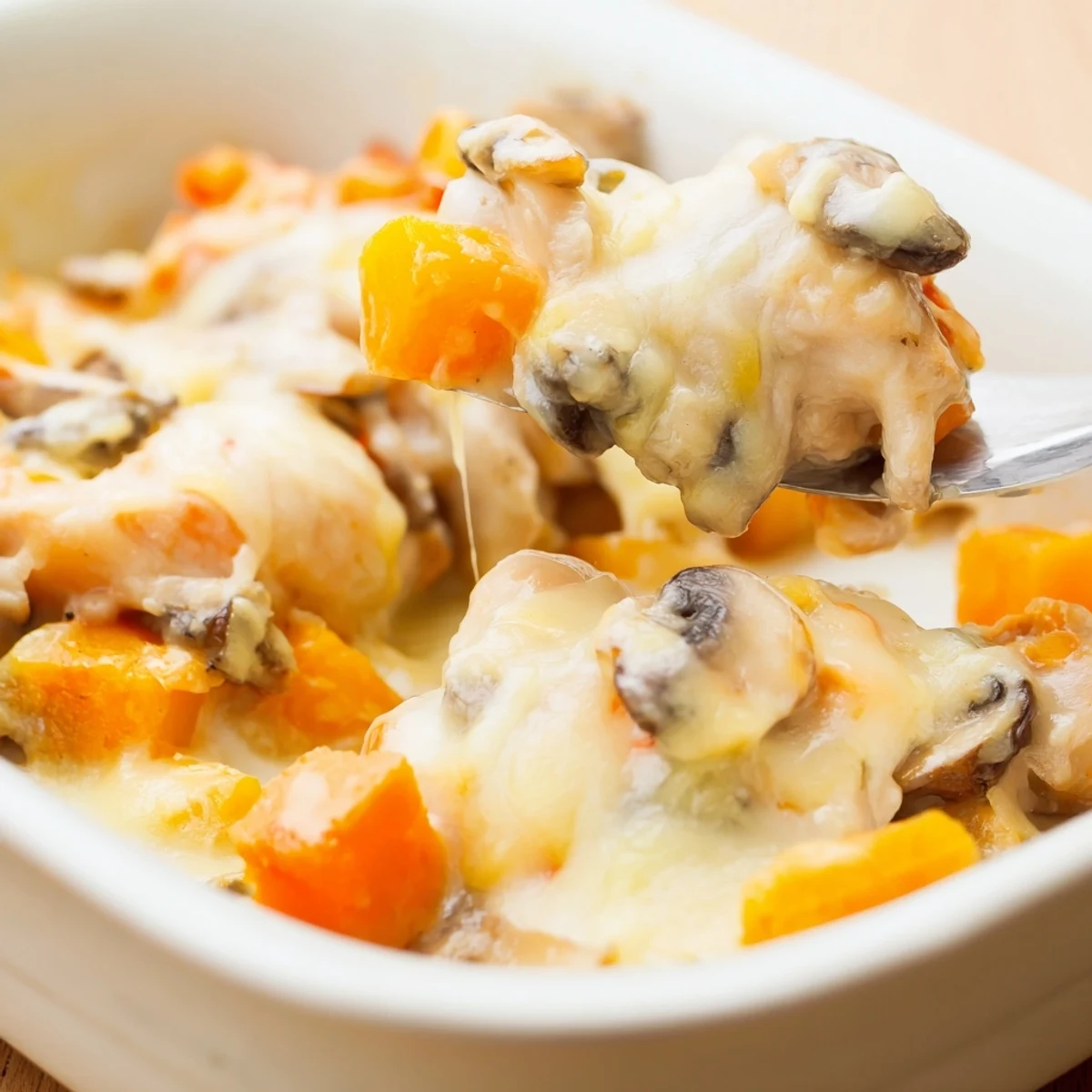
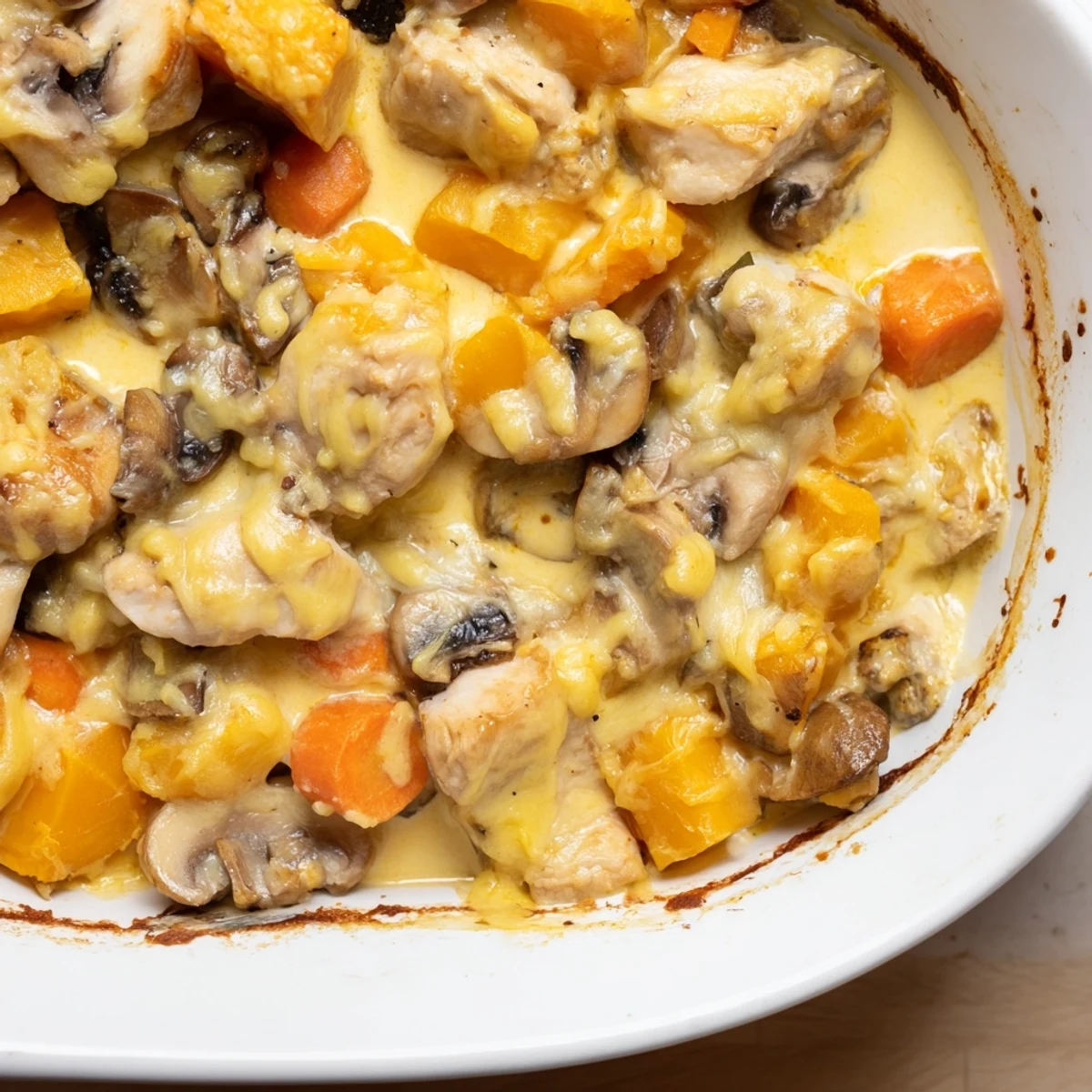
Save This dish combines tender chicken thighs with a blend of winter vegetables including carrots, parsnips, butternut squash, leek, and mushrooms. The ingredients are sautéed and simmered in a creamy herb sauce infused with Dijon mustard, parsley, thyme, and rosemary. Topped with melted Gruyère or cheddar cheese, it is baked until golden and bubbling, creating a warm and satisfying meal perfect for chilly nights. Variations include dairy-free, gluten-free, and vegetarian options, making it versatile and accessible.
There's a particular moment in late November when I realized this casserole was exactly what my kitchen needed—not from a recipe book, but from watching steam rise off a pot while rain pattered against the window. My neighbor had mentioned throwing whatever winter vegetables she had into a dish with cream and herbs, and I became obsessed with recreating that golden, bubbling comfort. The first time I made it, I nearly burned the chicken because I was distracted by how the leeks smelled when they hit the hot oil, but that mistake taught me patience, and now this dish feels like second nature.
I made this for a dinner party on the darkest day of the year, and watching my friends scrape their bowls clean while we talked about nothing important felt like the whole point of cooking. Someone asked if it was complicated, and I loved being able to say no—it's just good timing and a few vegetables that know how to be warm together.
Ingredients
- Chicken thighs, 500 g: They stay tender and flavorful where breast meat would dry out, and they're forgiving if your oven runs hot.
- Carrots and parsnips: The parsnips add a subtle sweetness that balances the herbs—don't skip them just because you have carrots.
- Butternut squash, small: It breaks down slightly as it cooks and thickens the sauce naturally, so peel and dice it smaller than you think you need to.
- Leek: Slice it in half lengthwise first, rinse between the layers where dirt hides, then chop—it's worth the extra step.
- Button mushrooms, 200 g: They absorb the sauce like little flavor sponges, so don't be shy with them.
- Chicken stock: Use the good kind if you can; it makes a noticeable difference in how the sauce tastes at the end.
- Heavy cream: The dairy-free versions have come so far—use whatever you have and trust it will work.
- Dijon mustard, 2 tbsp: It seems like a small amount, but it's what prevents this from tasting one-note and sweet.
- Fresh parsley and dried thyme and rosemary: The fresh parsley goes in at the end to keep it bright; the dried herbs have time to wake up in the heat.
- Gruyère or cheddar cheese: Gruyère is more elegant, but cheddar browns beautifully and tastes like home—either one is right.
- Olive oil: Just enough to prevent sticking; this isn't a dish that needs swimming in fat.
Instructions
- Set your oven and brown the chicken:
- Start the oven at 190°C (375°F) so it's ready when you are. Heat the oil in your skillet and listen for that gentle sizzle before you add the chicken—you want a quick sear, not a deep brown, because the oven will finish the cooking.
- Build flavor with aromatics:
- Once the chicken comes out, add the onion, leek, and garlic to the same pan and let them soften and turn fragrant. This is where your whole dish gets its backbone.
- Gather the vegetables:
- Toss in the carrots, parsnips, squash, and mushrooms and stir often so nothing sticks. You're not trying to cook them all the way through—just until they release their edges.
- Bring it all together:
- Return the chicken to the pan and pour in the stock, cream, mustard, and herbs. Stir it all so everything is coated, then let it simmer for about five minutes while the flavors start talking to each other.
- Into the casserole dish:
- Transfer everything to your ovenproof dish and spread it so it's even. The liquid should come about three-quarters up the vegetables—if it looks too thick, add a splash more stock.
- Top with cheese and cover:
- Scatter the cheese over the top like you're tucking it in, then cover the whole thing with foil to keep the steam inside and the cheese from browning too fast.
- Two-stage bake:
- Bake covered for thirty minutes, then pull off the foil and bake uncovered for fifteen to twenty minutes more until the top is golden and the edges are bubbling gently. You'll know it's ready when it smells like someone's been cooking all afternoon.
- Rest and serve:
- Let it sit for five minutes—this sounds small, but it lets everything settle and makes serving cleaner.
 Save
Save The first time someone told me this casserole reminded them of their grandmother's cooking, even though it's probably nothing like what she actually made, I understood something about food that no recipe teaches you. It's less about the exact ingredients and more about the feeling you put into choosing them and the care you take while they transform.
Making It Your Own
Casseroles are forgiving in a way that feels personal. If you have celeriac instead of parsnips, use it. If button mushrooms are pale and sad at your market, buy cremini. The vegetables are just vehicles for that creamy herb sauce, and the sauce is what makes this dish sing. I've made it with white beans instead of chicken on nights when I wanted something lighter, and it still felt generous and warm.
Pairing and Serving
Crusty bread is almost mandatory—you want something to wipe the sauce with when you reach the bottom of your bowl. A simple green salad with a sharp vinaigrette cuts through the richness and wakes up your palate between bites. Wine-wise, a dry white like Sauvignon Blanc or even a light rosé feels right, though honestly this dish is good enough on its own.
Storage and Reheating
This casserole actually tastes better the next day when the flavors have had time to settle and deepen. Store it covered in the fridge for up to three days, and when you reheat it, cover it with foil and warm it gently at 160°C so the top doesn't overcook before the inside is warm through. Freezing works too—just leave it uncovered until it's solid, then wrap it, and it will keep for a month.
- If you're reheating from frozen, add an extra fifteen minutes to the baking time and cover it tightly with foil.
- The sauce might separate slightly when frozen and thawed, but a gentle stir while it heats brings it back together.
- Make a double batch on a Sunday afternoon; your weeknight self will be grateful.
 Save
Save A good casserole is patient food that asks you to slow down and pay attention, and this one rewards that attention every time. It's the kind of dish that brings people back to the table.
Questions & Answers
- → Can I substitute the chicken for a vegetarian option?
-
Yes, canned white beans or chickpeas can be used instead of chicken to create a hearty vegetarian version.
- → How can I make this dish dairy-free?
-
Use dairy-free cream and cheese alternatives to keep the creamy texture without dairy.
- → What type of cheese works best for the topping?
-
Gruyère or cheddar cheese are ideal for melting and adding rich flavor, but dairy-free cheese can be used as an alternative.
- → What side dishes pair well with this meal?
-
Crusty bread or a light green salad complement the dish nicely, balancing the creamy texture.
- → Is this dish suitable for gluten-free diets?
-
Yes, as long as gluten-free chicken stock and mustard are used, it fits gluten-free requirements.
- → How long does the baking process take?
-
Bake covered for 30 minutes, then uncovered for 15-20 minutes until the top is golden and bubbling.