
 Save
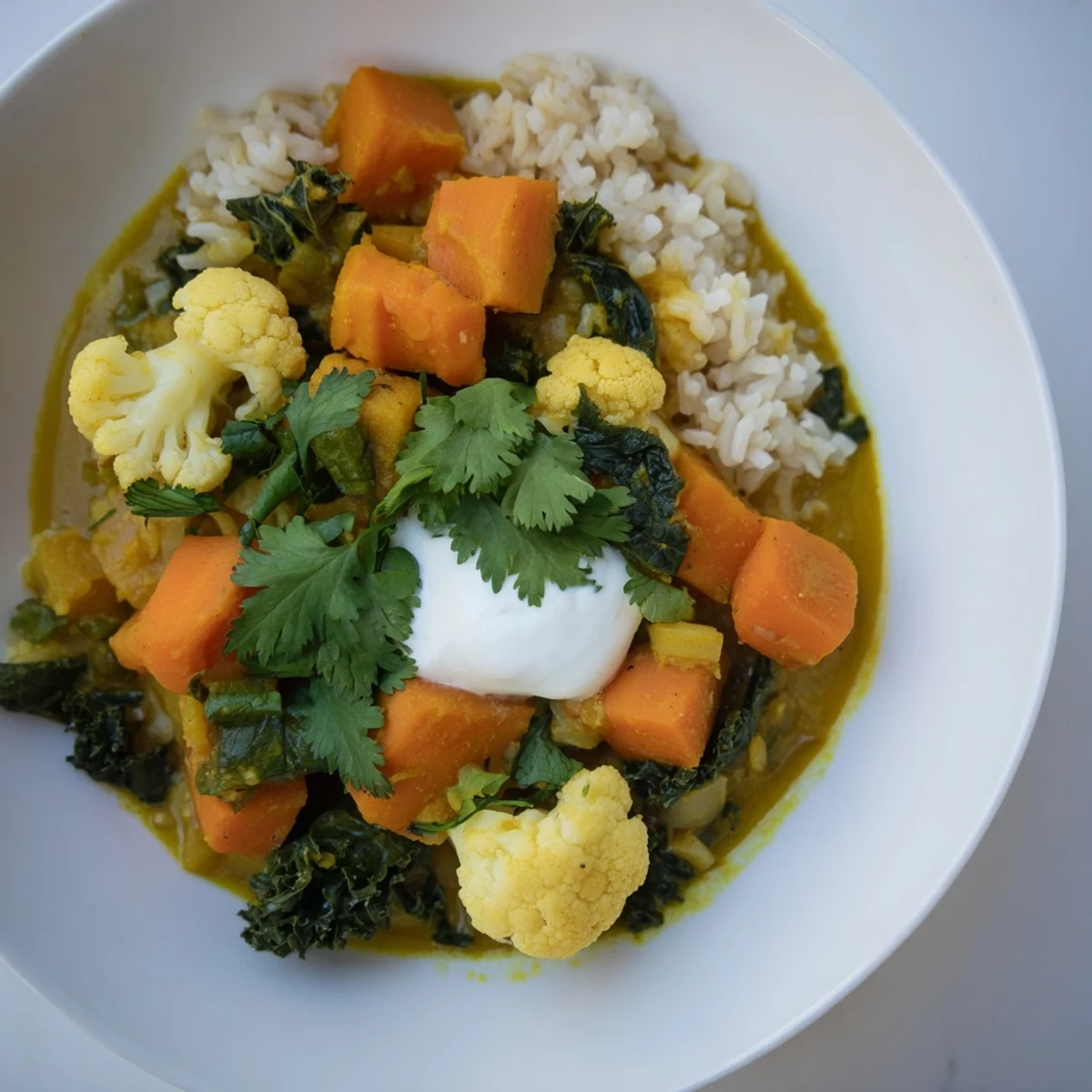
Save This hearty dish features a medley of seasonal winter vegetables such as butternut squash, carrots, parsnip, cauliflower, and kale simmered gently in coconut milk and a fragrant blend of spices including curry powder, cumin, and turmeric. Paired with fluffy basmati rice, it offers a satisfying, nourishing meal perfect for chilly evenings. Aromatics like garlic, ginger, and fresh cilantro enhance the rich flavors, while optional garnishes like yogurt and lime add brightness. Gentle simmering ensures tender vegetables infused with spice, creating a comforting balance of textures and warmth.
I threw this together on a January night when the grocery store was almost bare and my fridge held nothing but root vegetables and a forgotten can of coconut milk. The kitchen windows fogged up as the curry simmered, filling the house with warmth that felt like a small rebellion against the cold. It became my go-to whenever winter feels endless.
I made this for a friend who showed up unannounced during a snowstorm, half-frozen and hungry. We ate it straight from the pot with big spoons, laughing at how something so simple could feel like such a gift. She still asks me to make it every winter.
Ingredients
- Butternut squash: Its sweetness balances the spices beautifully, and cubing it evenly ensures it cooks through without turning mushy.
- Carrots and parsnip: These add earthiness and a slight sweetness that deepens as they simmer.
- Cauliflower florets: They soak up the curry sauce like little sponges, becoming tender and flavorful.
- Kale: Stir it in at the end so it wilts but keeps its color and a bit of bite.
- Onion, garlic, and ginger: This trio forms the aromatic base that makes the whole dish smell like home.
- Curry powder, cumin, coriander, cayenne, and turmeric: Toasting these spices for just a minute wakes them up and releases their full warmth.
- Coconut milk: It creates a creamy, slightly sweet sauce that ties everything together without feeling heavy.
- Vegetable broth: This thins the sauce just enough and adds a savory backbone.
- Tomato paste: A small spoonful adds depth and a subtle tang that rounds out the flavors.
- Basmati rice: Its delicate fragrance and fluffy texture make it the perfect base for the curry.
- Cilantro, yogurt, and lime: These garnishes brighten each bite and add little bursts of freshness.
Instructions
- Start the rice:
- Rinse the basmati under cold water until it runs clear, then simmer it gently with water and salt. Let it rest off the heat, covered, so every grain turns out light and separate.
- Build the aromatic base:
- Sauté the onion until it softens and turns translucent, then add the garlic and ginger, stirring until the kitchen smells warm and inviting.
- Toast the spices:
- Stir in the curry powder, cumin, coriander, cayenne, turmeric, salt, and pepper, cooking them for a minute until they bloom. This step makes all the difference.
- Add the vegetables:
- Toss in the butternut squash, carrots, parsnip, and cauliflower, coating them well in the spiced oil.
- Build the sauce:
- Stir in the tomato paste, then pour in the coconut milk and vegetable broth. Bring everything to a gentle simmer.
- Simmer until tender:
- Cover the pot and let the vegetables cook until they yield easily to a fork, about 20 minutes.
- Finish with kale:
- Stir in the chopped kale and let it wilt into the curry, then taste and adjust the seasoning.
- Serve:
- Spoon the curry over fluffy rice and top with cilantro, a dollop of yogurt, and a squeeze of lime.
 Save
Save One night I served this to a table full of skeptical guests who claimed they didnt like curry. They went quiet as they ate, then asked for seconds, then the recipe. It reminded me that good food speaks for itself.
Ingredient Swaps and Additions
You can swap in sweet potatoes, rutabaga, or Brussels sprouts depending on what you have on hand. For extra protein, stir in a drained can of chickpeas along with the vegetables. If you want more heat, add a diced chili when you sauté the onions.
Pairing Suggestions
This curry pairs beautifully with a crisp Riesling that cuts through the richness, or a malty amber ale that echoes the warm spices. A simple side of naan or a cool cucumber salad makes it feel like a full meal.
Storage and Reheating
Store the curry and rice separately in airtight containers in the fridge for up to four days. Reheat gently on the stovetop with a splash of water or broth to loosen the sauce. The flavors deepen overnight, so leftovers are never a disappointment.
- Freeze the curry (without the kale) for up to three months and add fresh greens when reheating.
- If the sauce thickens too much, thin it with a bit of coconut milk or broth.
- Garnishes are best added fresh just before serving for maximum brightness.
 Save
Save This dish has a way of making ordinary evenings feel special, turning winter vegetables into something worth gathering around. I hope it brings as much warmth to your table as it has to mine.
Questions & Answers
- → What vegetables are best for this winter dish?
-
Seasonal vegetables like butternut squash, carrots, parsnip, cauliflower, and kale work well, providing hearty textures and flavor.
- → Can I substitute basmati rice with another grain?
-
Yes, jasmine rice or quinoa can be used, though cooking times and water ratios may vary.
- → How can I make this dish spicier?
-
Add cayenne pepper to taste or include diced fresh chili when sautéing the onions and garlic.
- → Is coconut milk essential for the sauce?
-
Coconut milk adds creaminess and depth; however, you can substitute with a plant-based cream or additional vegetable broth if preferred.
- → What garnishes complement this winter vegetable blend?
-
Fresh cilantro, a dollop of yogurt or plant-based yogurt, and lime wedges add freshness and balance to the rich flavors.
- → Can I add protein to this dish?
-
Yes, stirring in drained chickpeas during cooking offers added protein and texture without overwhelming the vegetable flavors.