
 Save
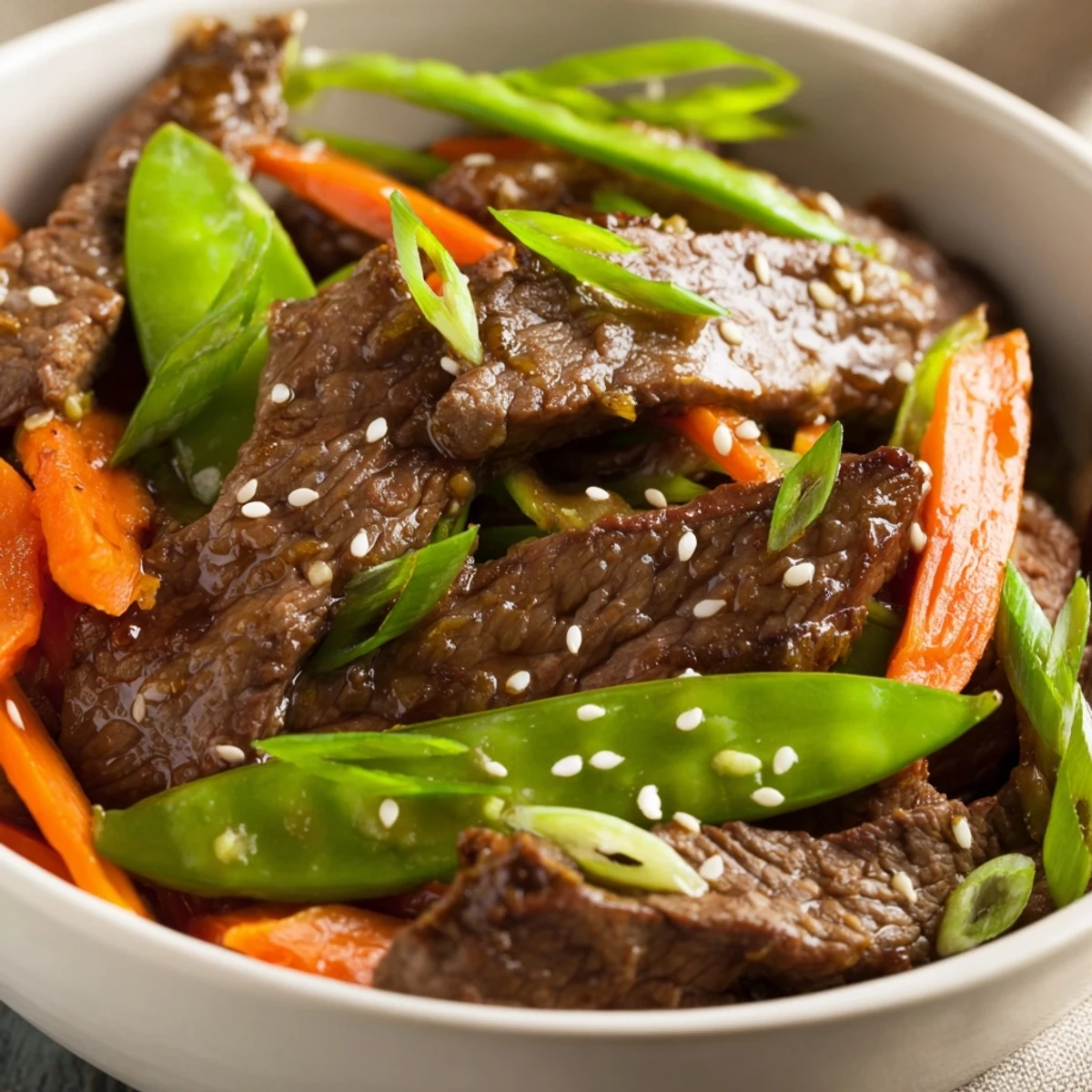
Save This dish combines thinly sliced flank steak, marinated and seared to retain tenderness, with crisp snow peas and thinly sliced carrots. The vegetables are stir-fried until just tender-crisp, then coated in a savory sauce blending soy, oyster, and hoisin flavors with garlic and ginger. Finished with toasted sesame seeds and scallions, this vibrant and easy Asian-inspired meal takes just 30 minutes to prepare and serves four. Ideal for a quick, flavorful dinner.
There's a particular magic to stir fry that only happens when everything moves fast and the kitchen fills with steam and sizzle. I discovered this dish on a weeknight when I was determined to prove to myself that restaurant-quality meals didn't require hours at the stove. The beef hit the hot pan with a sound that made me grin, and by the time I'd finished tossing in the vegetables, dinner was nearly ready. It became my go-to proof that speed and flavor aren't enemies.
I made this for my sister on a random Tuesday, and she kept asking what restaurant I'd ordered from until I showed her the empty skillet. There's something satisfying about watching someone's face when they realize you just built something this good in your own kitchen, no delivery app required.
Ingredients
- Flank steak, thinly sliced: This cut has just enough marbling to stay tender, and slicing against the grain means each bite practically melts.
- Cornstarch (for beef and sauce): It's the secret to that silky texture the beef gets and the way the sauce clings instead of sliding off.
- Soy sauce: This is your base flavor, salty and deep, so don't skip marinating the beef in it.
- Snow peas: They stay crisp even with high heat, which is exactly what you want here instead of mushy vegetables.
- Carrots: The bias cut makes them cook faster and look elegant without any extra effort.
- Oyster sauce: This ingredient adds umami depth that plain soy sauce alone can't achieve, trust me on this one.
- Sesame oil: Just a drizzle at the end transforms the whole dish with a nutty, aromatic finish.
- Fresh garlic and ginger: Minced or grated fresh rather than jarred makes all the difference in brightness and bite.
- Brown sugar: A teaspoon balances the saltiness and adds a subtle sweetness that rounds out the sauce.
Instructions
- Prepare the beef:
- Toss your sliced beef with cornstarch and soy sauce in a bowl, making sure every piece gets coated. Let it sit for 10 minutes while you gather everything else, and you'll notice the beef starts looking slightly tacky, which means the cornstarch is doing its job.
- Mix your sauce:
- Whisk together soy sauce, oyster sauce, sesame oil, brown sugar, garlic, ginger, water, and cornstarch in a separate bowl. Taste it if you're curious, and you'll understand why this combination works so well together.
- Sear the beef:
- Heat oil in your wok or skillet until it's properly hot and shimmering, then add the beef in a single layer. Don't crowd the pan or move it around too much at first, let it develop a golden edge for 1 to 2 minutes per side before setting it aside.
- Cook the vegetables:
- Add fresh oil and carrots to the pan, stirring constantly for about 2 minutes until they start to soften. Then add the snow peas and any other vegetables, cooking for another 2 to 3 minutes until they have a slight bite to them still.
- Bring it together:
- Return the beef to the pan and pour in your sauce, stirring everything until the sauce thickens and coats all the ingredients evenly, about 1 to 2 minutes.
- Finish and serve:
- Remove from heat and scatter scallions and sesame seeds on top, then serve immediately over rice or noodles while everything is still hot and the vegetables are crisp.
 Save
Save This became the dish I made when I wanted to feel like I had my kitchen under control, like I could move with intention and purpose without a recipe in hand. My partner started requesting it on nights when we both seemed tired, because somehow this meal felt restorative instead of demanding.
The High Heat Secret
The entire recipe hinges on one truth: high heat is your friend here, not your enemy. When the pan is properly hot, the beef develops a crust instead of steaming, and the vegetables stay crisp and bright instead of turning to mush. I learned this by doing it wrong first, using medium heat and wondering why my stir fry felt limp and sad compared to what I ordered from restaurants.
Building Layers of Flavor
The sauce is where this dish earns its complexity, combining salty, sweet, aromatic, and nutty notes all at once. Each component pulls its own weight, which is why I don't recommend skipping ingredients like oyster sauce or ginger even if you don't use them often. The sauce itself only takes one minute to thicken once it hits the hot pan, which is why you want everything else ready and waiting when you're ready to pour it in.
Timing and Temperature Matter Most
This is a dish that punishes hesitation and rewards speed, which is part of its charm. Everything moves quickly once you start cooking, so having your ingredients prepped and measured before you touch the stove makes the difference between flowing and frantic. I've learned to line up my bowls and cutting board in the order I'll use them, which keeps my hands moving forward instead of hunting for what's next.
- Slice your beef against the grain by holding your knife at a 45-degree angle to see the fibers, then cutting perpendicular to them.
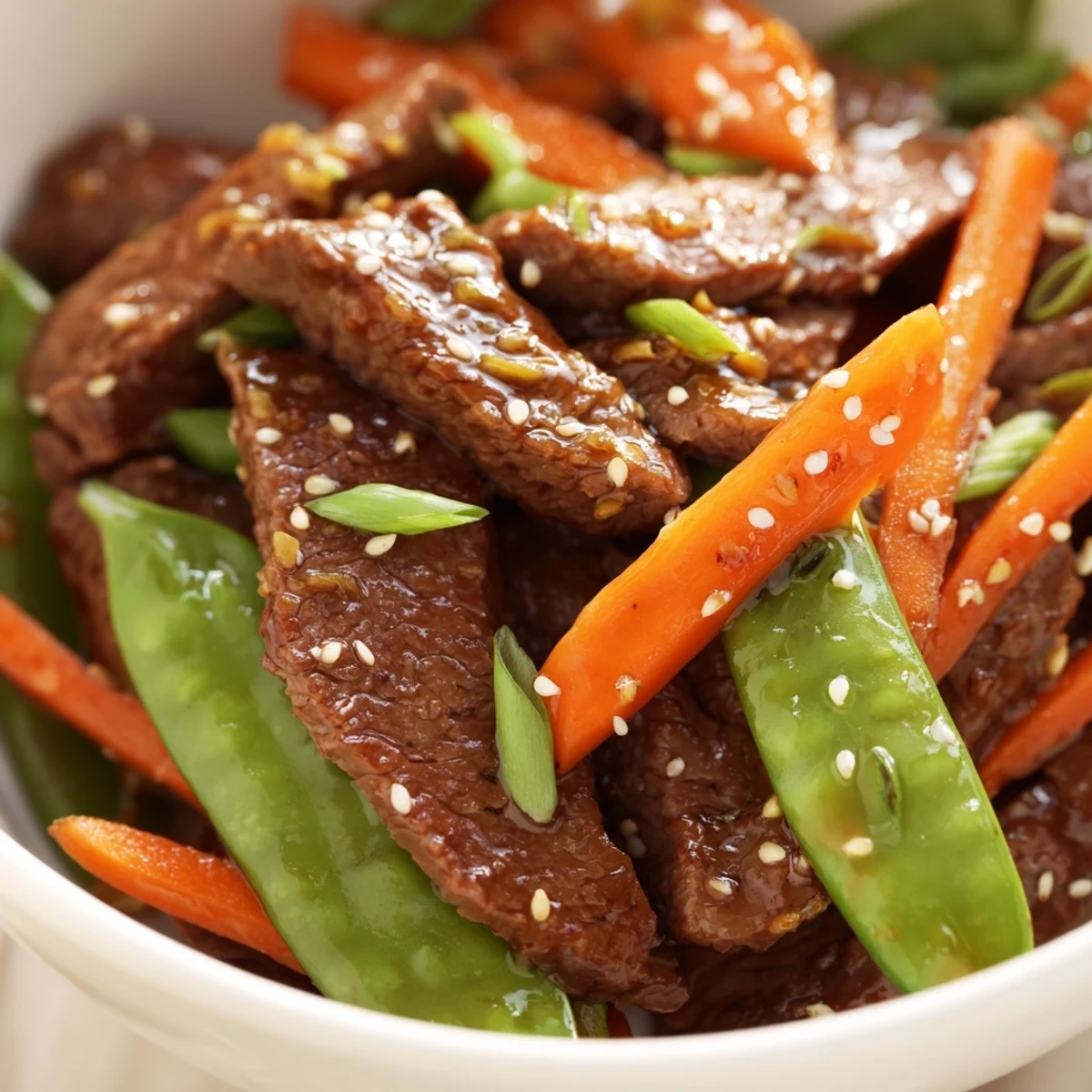
- Bias-cut your carrots by angling your knife as you slice, which looks professional and helps them cook faster.
- Have everything prepped and within arm's reach before you turn on the heat, because once you start, you won't have time to chop anything.
 Save
Save This recipe proved to me that weeknight cooking doesn't have to be boring or exhausting. It's become the dish I make when I want to remind myself that I actually enjoy cooking.
Questions & Answers
- → How do I ensure the beef stays tender?
-
Slice the flank steak thinly against the grain and marinate briefly with cornstarch and soy sauce before searing quickly over high heat.
- → Can I substitute the vegetables used here?
-
Yes, bell peppers or snap peas can be added or swapped for snow peas for slight variations in texture and sweetness.
- → What is the best way to thicken the sauce?
-
A small amount of cornstarch mixed into the sauce before cooking helps it thicken to a glossy coating over beef and vegetables.
- → How to avoid overcooking the vegetables?
-
Stir fry the carrots first briefly, then add snow peas for a few more minutes until vegetables are crisp-tender to preserve texture.
- → What serving suggestions complement this dish?
-
Serve hot with steamed jasmine rice or stir-fried noodles to complete the meal and soak up the sauce.