
 Save
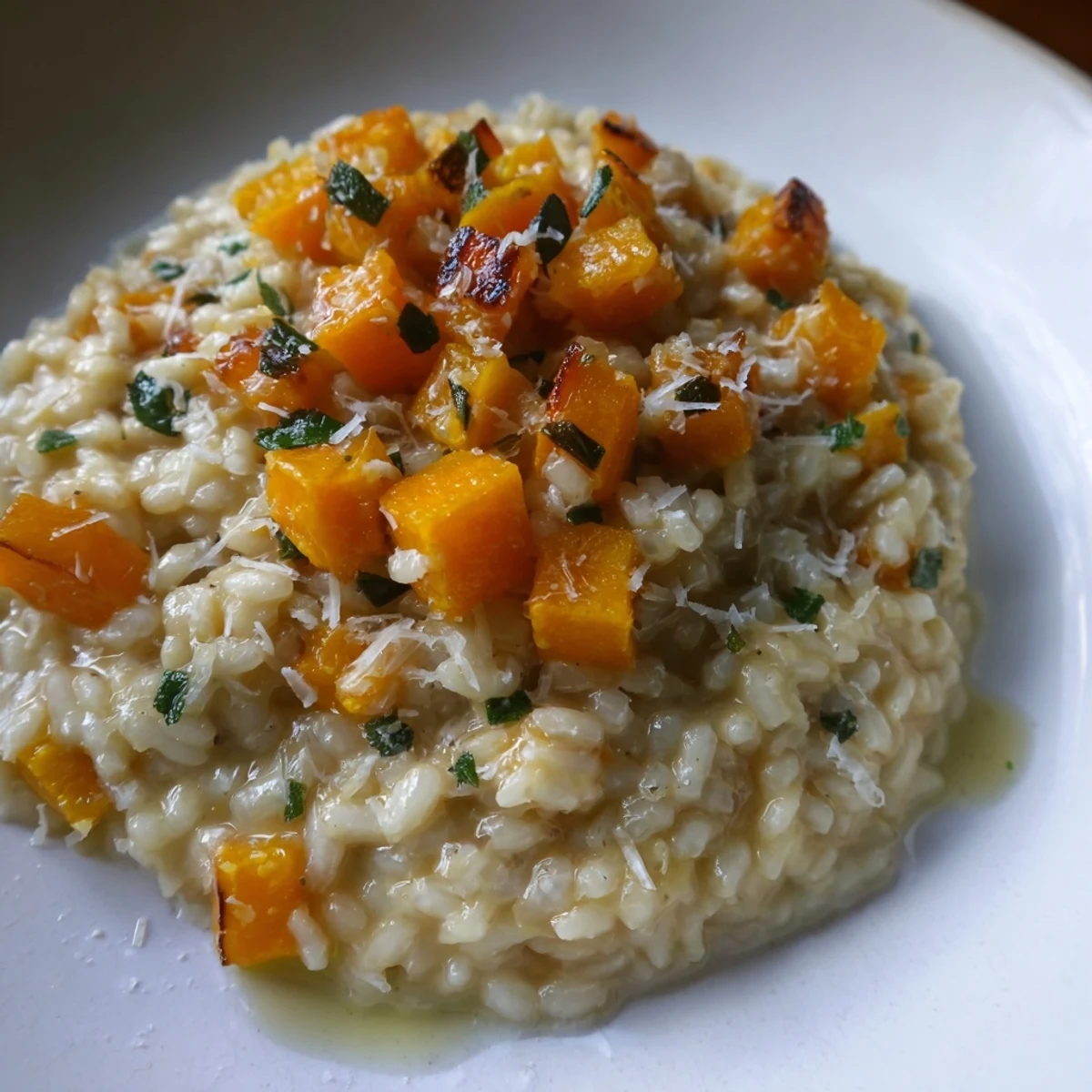
Save This dish highlights the natural sweetness of roasted butternut squash combined with aromatic fresh sage to create a creamy, rich risotto. Using Arborio rice slowly cooked with warm vegetable stock and a splash of white wine, this meal achieves an irresistible creamy texture. The final touch includes butter and Parmesan cheese to enhance depth and balance. Ideal for a cozy, satisfying main course with vegetarian and gluten-free options.
Discovering this creamy, comforting risotto was like stumbling upon a warm hug on a chilly evening. The sweet roasted butternut squash combined with aromatic fresh sage made it an instant favorite in my kitchen, reminding me how simple ingredients can transform into something truly special.
I remember the first time unexpected guests arrived and I whipped up this risotto without much fuss—everyone was impressed, and I felt like I had a delicious trick up my sleeve that made the evening shine.
Ingredients
- Butternut squash: I always peel and seed it carefully to get the sweetest roasted cubes that caramelize beautifully in the oven
- Arborio rice: This type of rice is key for that creamy texture as it slowly absorbs the stock
- Vegetable stock: Keeping it warm helps the rice cook evenly without cooling down the pan
- Fresh sage: Chopped finely to release its fragrance and blend seamlessly with the squash
- Parmesan cheese: Freshly grated for a nutty, melty finish that pulls everything together
Instructions
- The Part Where Magic Happens:
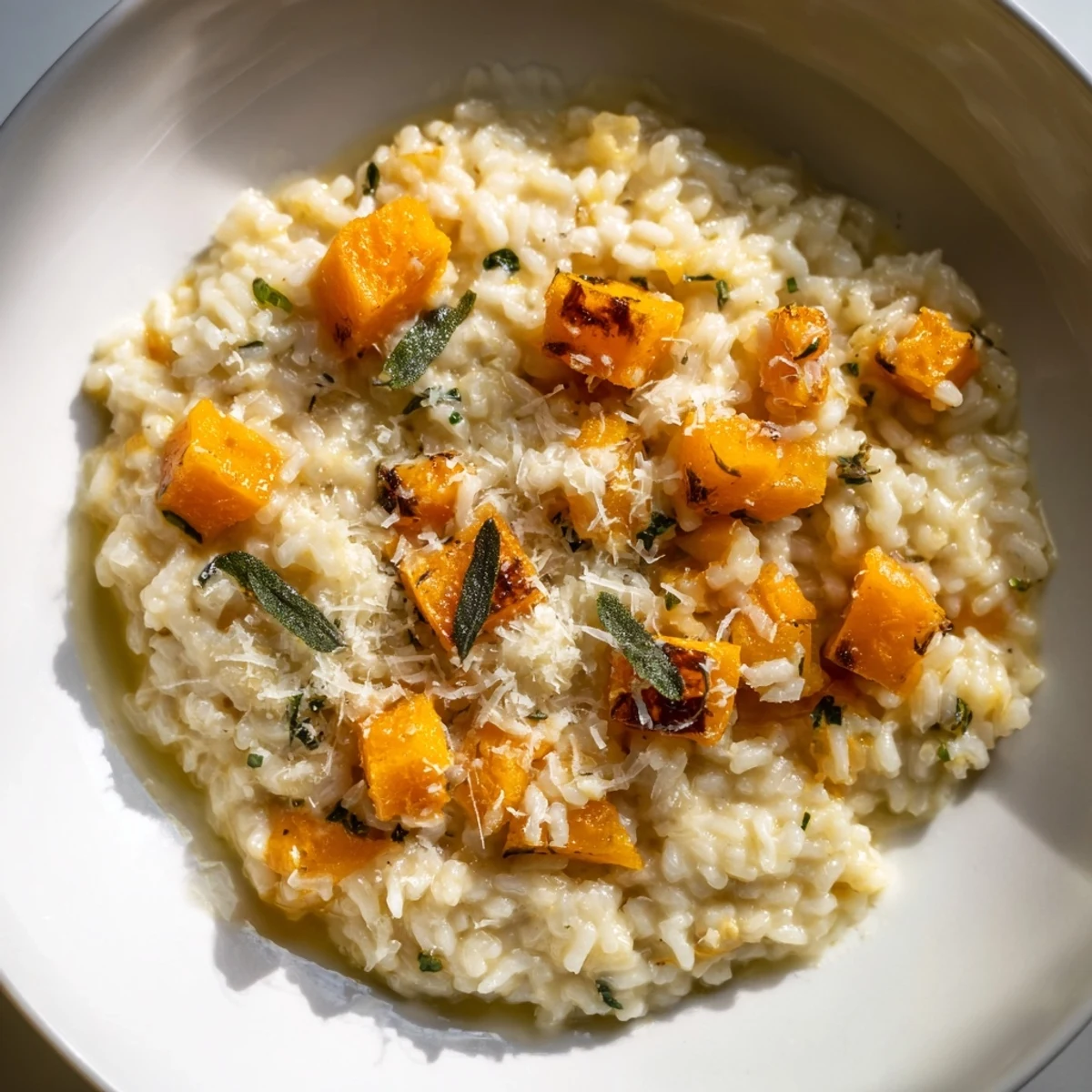
- Start by roasting the squash until it smells sweet and looks tender with golden edges, filling your kitchen with a warm aroma. Then, soften the onion until translucent and stir in garlic so its scent wakes you up. Toast the Arborio rice soon after until each grain looks glossy, signaling a nutty flavor developing. Pour in the white wine and listen for that gentle sizzle as it mostly evaporates, building complexity. Add warm stock slowly, ladle by ladle, stirring often until the rice transforms into a creamy texture that still holds a slight bite. When you fold in the roasted squash and sage, the colors brighten and the scents mingle beautifully. Finish off by swirling in butter and Parmesan, creating a rich sauce that coats every spoonful.
 Save
Save This dish became more than just food the night it brought everyone around the table for heartfelt conversation and laughter, turning a simple dinner into a cherished memory.
Keeping It Fresh
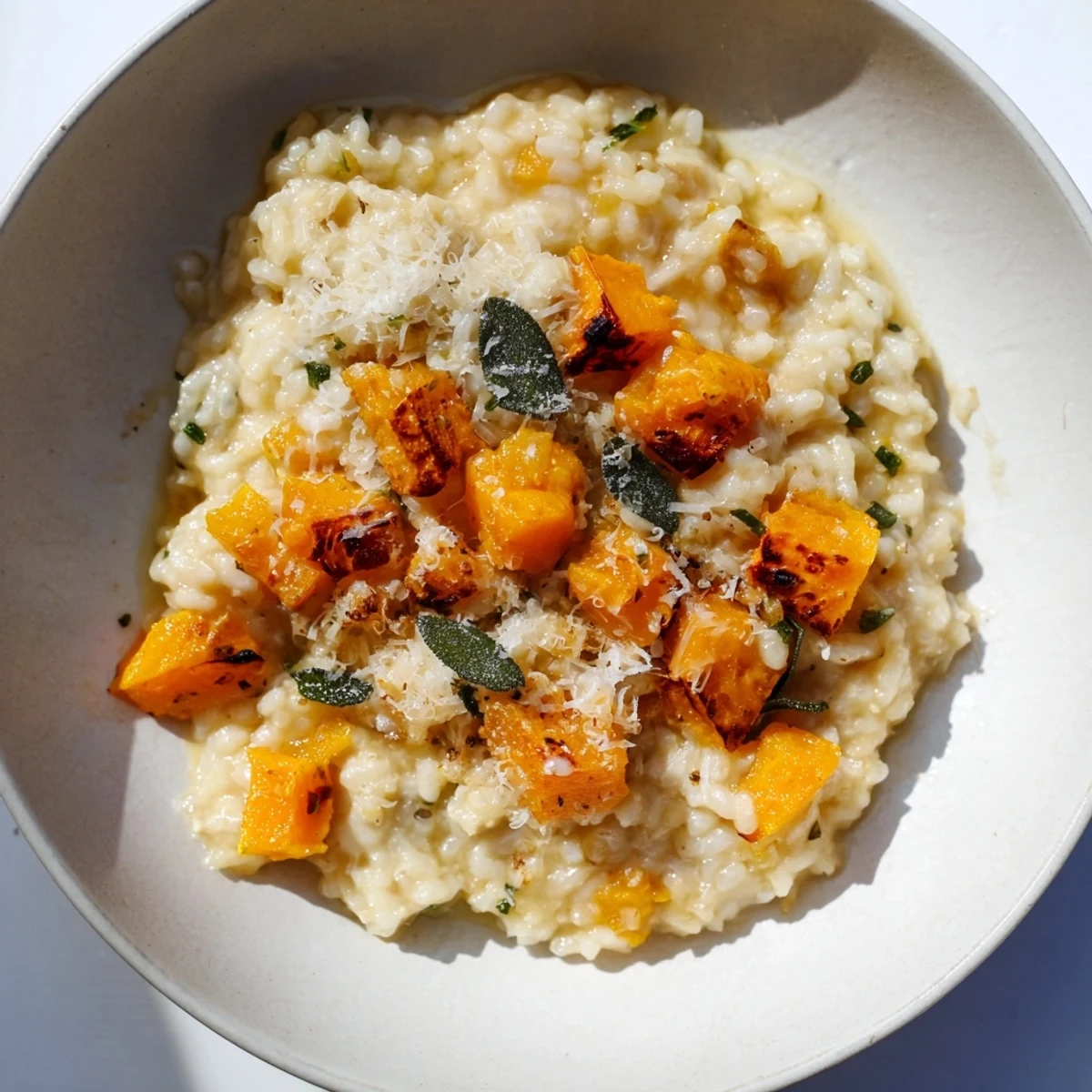
Using fresh sage leaves instead of dried makes a huge difference in aroma and flavor. I like to tear a few extra leaves to sprinkle on top right before serving for that fresh pop.
When You're Missing Something
If you don’t have white wine on hand, a splash of extra vegetable stock with a squeeze of lemon juice adds brightness without overpowering the subtle flavors.
Serving Ideas That Clicked
Pair this risotto with a crisp salad or roasted vegetables for a complete meal. And before you head out the door with leftovers, remember:
- Reheat gently on the stove with a splash of stock to bring back creaminess
- Reserve a few sage leaves to freshen up leftovers on the plate
- Adding a little extra Parmesan just before serving keeps flavors lively
 Save
Save Thanks for cooking along—may your kitchen be filled with warmth and the joy of sharing meals that feel like hugs. Until next time!
Questions & Answers
- → How do I roast butternut squash for this dish?
-
Peel and dice the squash, toss it with olive oil, salt, and pepper, then roast at 400°F (200°C) for 20–25 minutes until caramelized and tender.
- → What type of rice is best for a creamy texture?
-
Arborio rice is ideal due to its high starch content, which releases during slow cooking to create a creamy consistency.
- → Can I substitute white wine in the cooking process?
-
Yes, you can replace white wine with an equal amount of additional vegetable stock or a splash of lemon juice for acidity.
- → How is fresh sage used in the preparation?
-
Fresh sage leaves are finely chopped and stirred into the risotto near the end of cooking, imparting a fragrant herbal note.
- → What dairy alternatives work for a vegan version?
-
Use vegan butter and plant-based grated cheese substitutes to maintain richness while keeping the dish plant-based.