
 Save
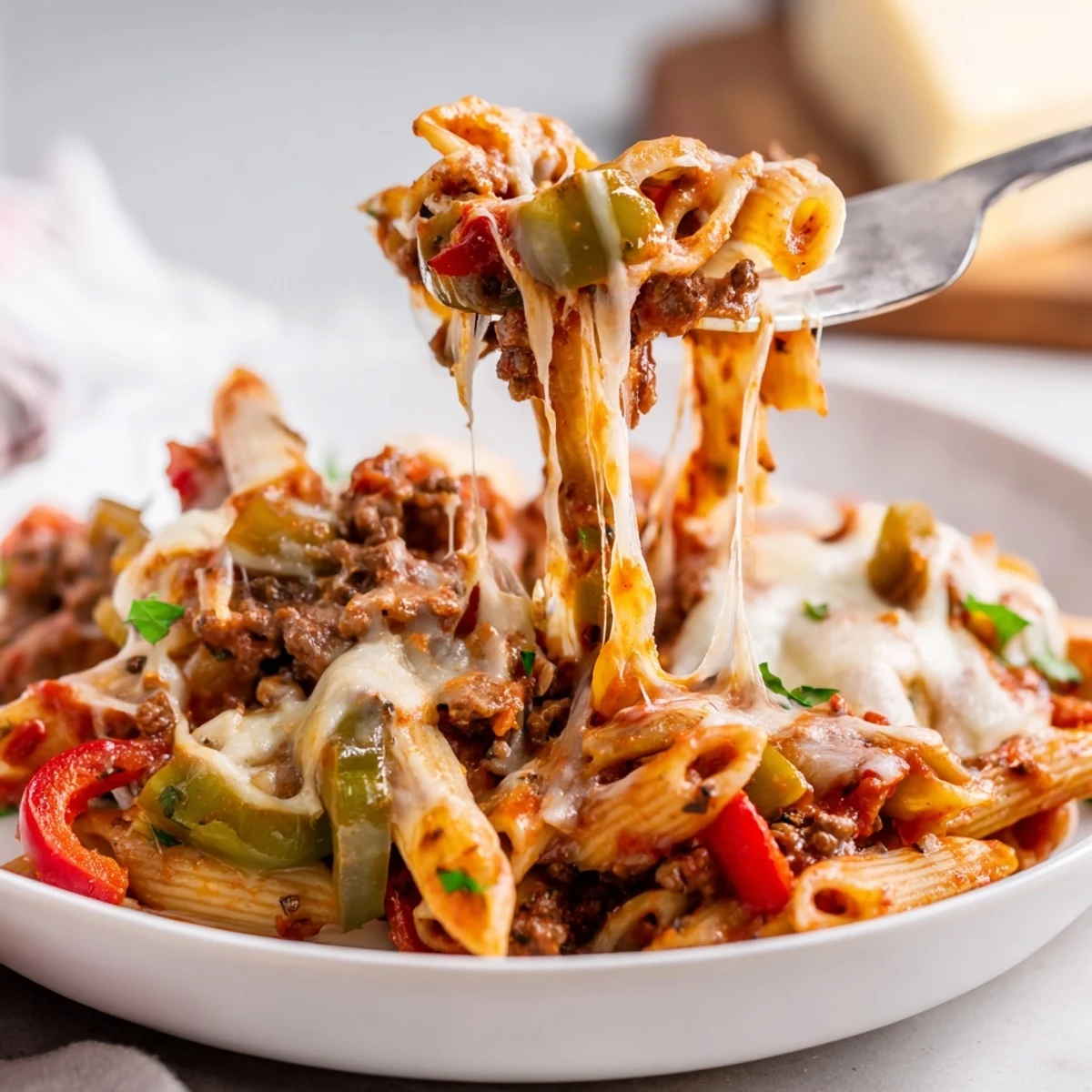
Save This skillet version combines diced bell peppers, onion, garlic and browned ground meat with tomatoes, tomato paste, herbs and short pasta cooked in broth. Start by softening the vegetables, brown the meat, stir in tomatoes and spices, add pasta and simmer until tender. Finish with mozzarella and Parmesan, cover briefly to melt. Serves four; swap beans or gluten-free pasta if desired.
The smell of bell peppers sizzling in olive oil has a way of pulling everyone into the kitchen before dinner is even close to ready. My neighbor once knocked on my door asking what I was cooking because the aroma had drifted through the open window and straight into her apartment. That is the power of this stuffed pepper skillet pasta, which delivers everything you love about classic stuffed peppers without the hour of waiting. It is loud, cheesy, unapologetic comfort food that earns its place in the weekly rotation.
My roommate in college used to make stuffed peppers that took forever, and half the time the pepper shells were still crunchy while the filling spilled everywhere. One night I dumped all the same ingredients into a single pan with pasta and called it done, and honestly nobody missed the pepper shells at all.
Ingredients
- 2 large bell peppers (red and green), diced: Using both colors gives the dish sweetness from the red and a slight earthy bite from the green, and dicing them small means they cook fast.
- 1 small yellow onion, diced: Onion is the backbone of the flavor base, so do not skip it even if you are tempted.
- 2 cloves garlic, minced: Fresh garlic makes a noticeable difference here since there are so few aromatics.
- 1 pound ground beef or turkey: Beef brings richness but turkey works beautifully if you want something lighter.
- 2 tablespoons olive oil: Just enough to get the vegetables going without making things greasy.
- 1 can (14.5 ounces) diced tomatoes with juice: Do not drain them because that juice is part of what creates the saucy broth.
- 2 tablespoons tomato paste: This concentrates the tomato flavor and gives the sauce a deeper color.
- 2 cups low sodium chicken or vegetable broth: The pasta cooks directly in this, so use a broth you actually enjoy sipping on its own.
- 8 ounces short pasta (penne, rotini, or shells): Short shapes with nooks and crannies hold onto the sauce better than long noodles.
- Salt and black pepper to taste: Season in layers rather than all at once for the best result.
- 1 teaspoon dried oregano: A little goes a long way and adds that classic Italian American warmth.
- 1 teaspoon dried basil: Dried basil works fine here since it simmers and rehydrates in the sauce.
- 1/2 teaspoon crushed red pepper flakes (optional): Adds a gentle background heat that does not overpower the cheese.
- 1 1/2 cups shredded mozzarella cheese: Shred it yourself if you can because pre shredded has coatings that make it melt unevenly.
- 1/2 cup grated Parmesan cheese: This adds a salty, nutty kick that mozzarella alone cannot achieve.
- Fresh parsley or basil, chopped (optional): A handful of fresh herbs at the end brightens everything up beautifully.
Instructions
- Build the flavor base:
- Heat the olive oil in a large deep skillet over medium heat, then add the diced onion and bell peppers. Cook them for about 3 to 4 minutes, stirring occasionally, until the onions turn translucent and the peppers soften just enough to release their sweetness into the oil.
- Wake up the garlic:
- Stir in the minced garlic and let it cook for about a minute until you can smell it blooming in the pan. Watch closely because garlic goes from golden and fragrant to bitter in what feels like seconds.
- Brown the meat:
- Add the ground beef or turkey to the skillet, breaking it apart with a wooden spoon as it cooks. Keep going until the meat is fully browned and no pink remains, about 5 to 6 minutes, then drain off any excess fat if the pan looks too oily.
- Add the tomato layer:
- Stir in the tomato paste, diced tomatoes with their juice, oregano, basil, red pepper flakes, salt, and pepper. Give everything a thorough stir so the paste dissolves into the tomatoes and coats the meat and vegetables evenly.
- Let the pasta cook in the sauce:
- Pour in the broth and add the dry pasta, stirring well so every piece is submerged in liquid as much as possible. Bring it to a simmer, then reduce the heat to medium low, cover the skillet, and let it cook for 12 to 15 minutes, stirring once or twice so nothing sticks to the bottom.
- Melt the cheese on top:
- Once the pasta is tender and most of the liquid has been absorbed, sprinkle the mozzarella and Parmesan evenly across the entire surface. Cover the skillet again and let it sit for 2 to 3 minutes until the cheese is fully melted and beautifully bubbly.
- Finish and serve:
- Remove the skillet from the heat and scatter fresh parsley or basil over the top if you are using it. Let it rest for just a minute so the sauce settles, then serve directly from the skillet while it is still hot and the cheese is stretchy.
 Save
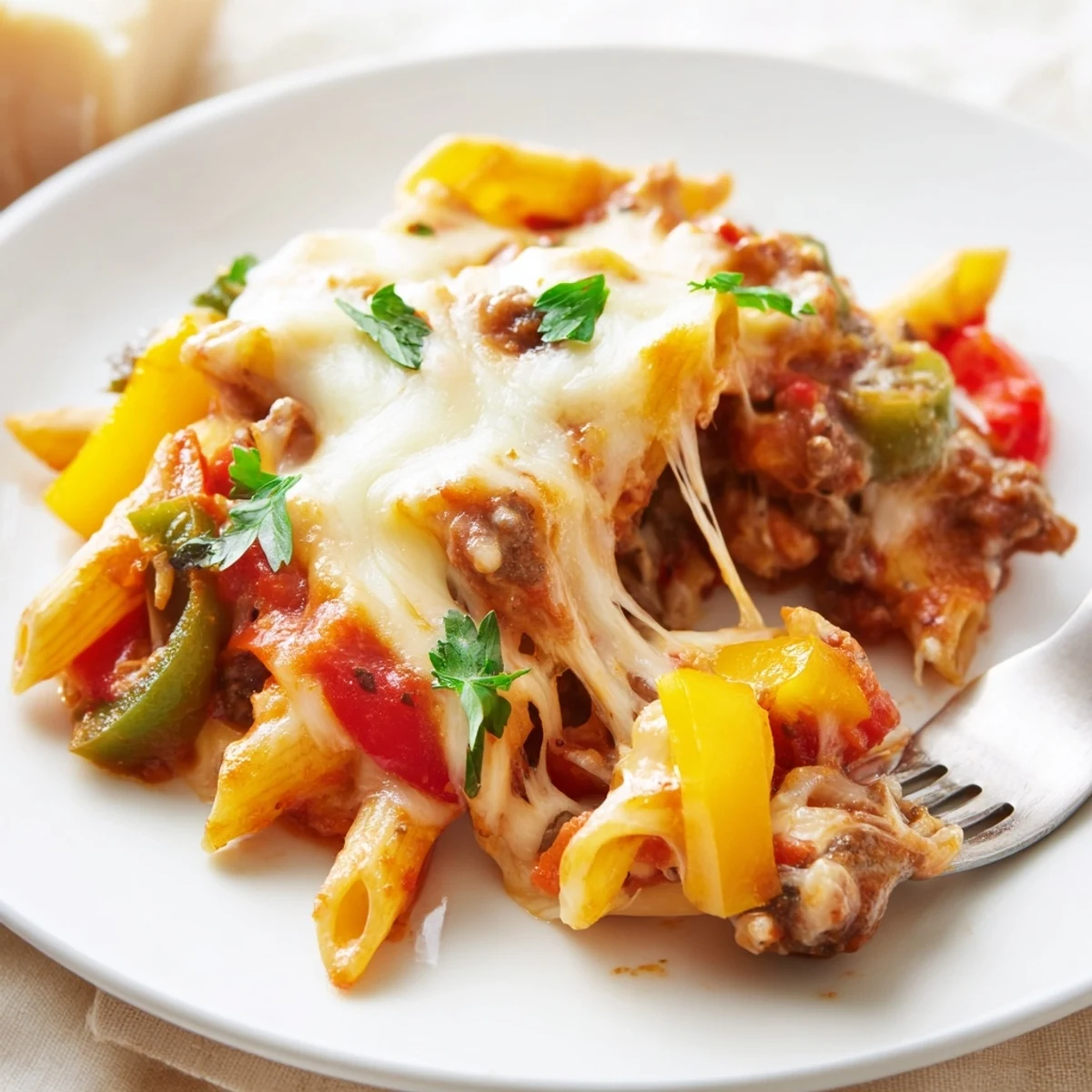
Save I brought this to a potluck once in the skillet itself, set it on the table, and within ten minutes the pan was scraped clean while people asked if there was a second batch hiding somewhere.
Making It Your Own
This recipe is endlessly forgiving, which is what makes it such a reliable weeknight staple. You can swap the ground meat for black beans or lentils to make it vegetarian, or throw in leftover vegetables that need to be used up. The spice level is entirely in your hands, so adjust the red pepper flakes or toss in chopped jalapenos if you like things fiery.
What to Serve Alongside
A simple green salad with a vinaigrette is all you really need to balance out the richness of this dish. If you want something more indulgent, garlic bread or crusty sourdough is perfect for scooping up every last bit of cheesy sauce. A glass of Pinot Noir or any light red wine pairs surprisingly well with the tomato and pepper flavors.
Tools and Storage Tips
A deep skillet with a tight fitting lid is the single most important piece of equipment here, along with a sturdy wooden spoon for stirring. Beyond that, a sharp chef knife and a cutting board are all you need to get this dinner on the table.
- Leftovers keep well in an airtight container in the refrigerator for up to 3 days and reheat beautifully with a splash of broth.
- If you are making this gluten free, check your broth labels carefully because some contain hidden gluten.
- The cheese layer on top firms up as it cools, so reheating under a low broil for a minute restores that fresh from the oven stretch.
 Save
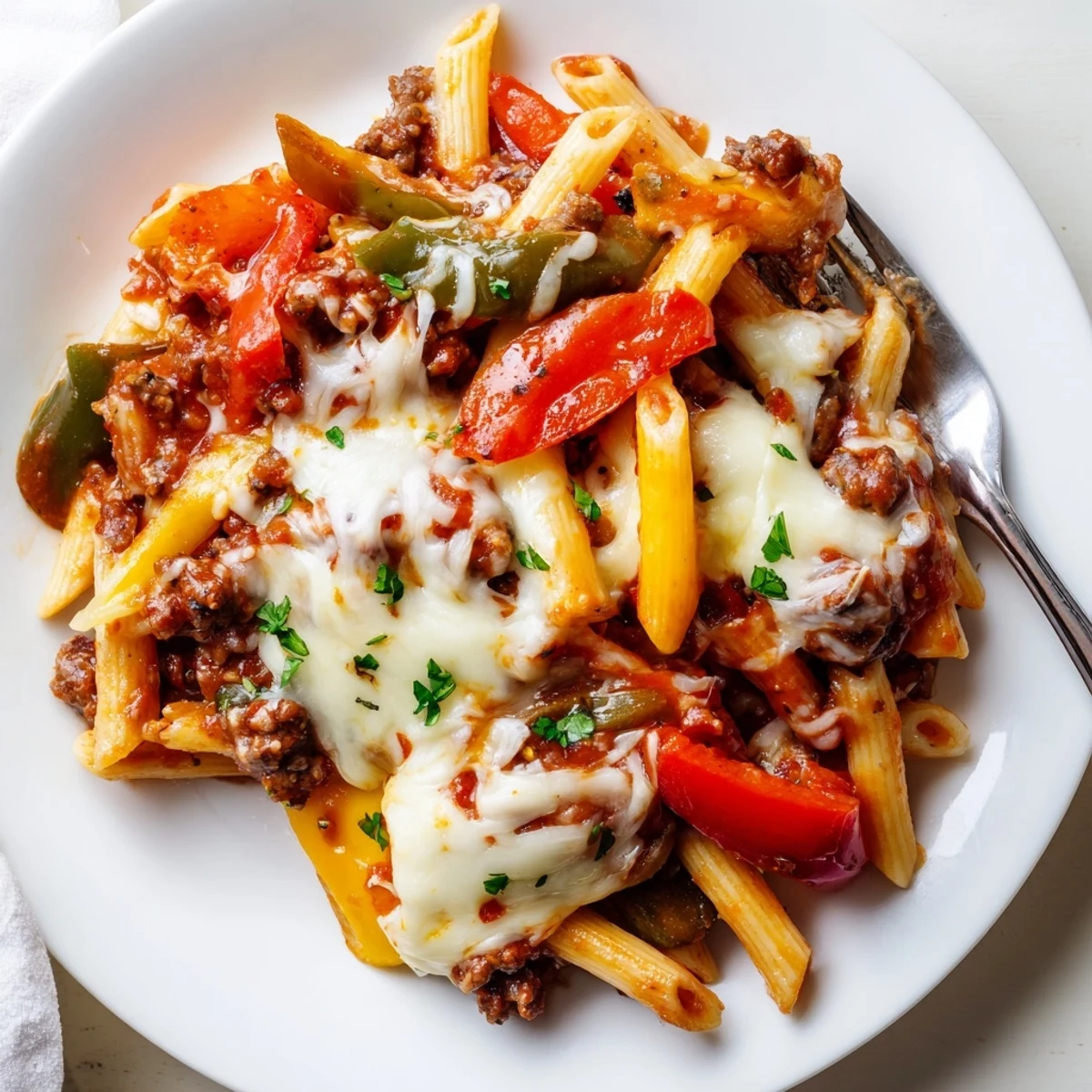
Save Some dinners are just dinner, but this skillet has a way of turning an ordinary evening into something worth remembering. Keep it in your back pocket for the nights when comfort matters more than perfection.
Questions & Answers
- → Can I make this vegetarian?
-
Yes—omit the meat and add cooked lentils, canned black beans, or crumbled firm tofu. Increase seasoning and simmer a bit longer to meld flavors; a splash of soy sauce or umami paste can boost depth.
- → How do I ensure the pasta cooks evenly in the skillet?
-
Use short pasta like penne, rotini, or shells and add enough broth to mostly cover the pasta. Stir occasionally during simmering and keep the heat at a gentle simmer so the pasta softens without sticking.
- → What are good substitutions for ground beef?
-
Use ground turkey, chicken, or a plant-based ground alternative. For a quicker meatless option, canned lentils or chopped mushrooms provide texture and savory flavor.
- → How should leftovers be stored and reheated?
-
Cool and refrigerate in an airtight container for up to 3 days. Reheat on the stovetop over low heat with a splash of broth to loosen the sauce, or microwave in short intervals, stirring to ensure even warming.
- → Can I make this gluten-free?
-
Yes—swap in a gluten-free short pasta and confirm broth and canned tomatoes are labeled gluten-free. Cooking time may vary slightly, so check pasta for doneness before removing from heat.
- → Any tips for getting the cheese perfectly melted?
-
After sprinkling mozzarella and Parmesan over the hot skillet, cover for 2–3 minutes off the direct heat to trap steam and melt the cheese evenly without overcooking the pasta.