
 Save
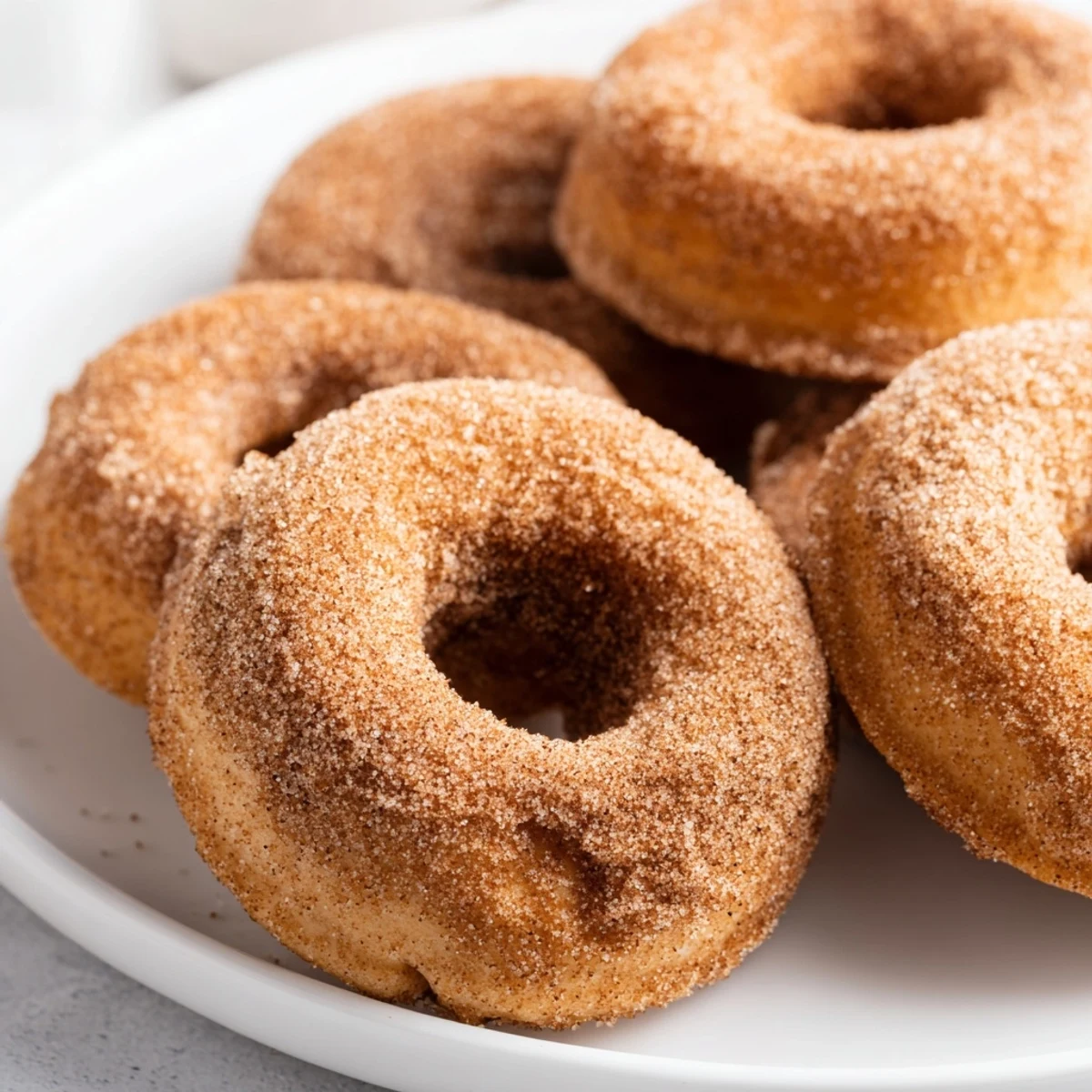
Save These soft, fluffy donuts are coated in a fragrant cinnamon sugar blend that brings warmth and sweetness to every bite. The dough, enriched with vanilla and butter, is kneaded and allowed to rise until light and airy. After frying until golden, each donut is brushed with melted butter and tossed in a cinnamon sugar mixture, creating a crisp, flavorful exterior. Ideal for a cozy morning or a delightful treat alongside coffee or hot chocolate, these donuts are easy to prepare yet full of comforting taste.
I used to think homemade donuts were beyond me until a rainy Saturday left me craving something warm and sweet. The house filled with the scent of cinnamon and frying dough, and I realized this wasn't complicated magic—just flour, yeast, and a little patience. Now these pillowy rings disappear within minutes every time I make them.
The first batch I ever made was for my nephew's birthday breakfast. He stood by the stove, eyes wide as the dough puffed golden in the oil. When he bit into one still warm, sugar clinging to his cheek, he declared it better than any store-bought treat he'd ever had.
Ingredients
- All-purpose flour (315 g): The backbone of the dough. Measure accurately or weigh it for the fluffiest texture—too much makes them dense.
- Granulated sugar (100 g for dough, 200 g for coating): Sweetness in the dough stays subtle so the cinnamon sugar shines. Don't skip the coating sugar, it creates that signature crunch.
- Active dry yeast (7 g): Proof it in the warm milk first if you're nervous. Fresh yeast makes them rise beautifully—old yeast leaves them flat.
- Whole milk (160 ml, warmed): Warmth activates the yeast. Too hot kills it, too cold slows everything down. Aim for bathwater temperature.
- Unsalted butter (30 g melted, plus 60 g for brushing): Adds richness to the dough and helps the cinnamon sugar stick like glue after frying.
- Eggs (2 large, room temperature): Cold eggs don't blend well. Let them sit out while you gather other ingredients.
- Vanilla extract (1 tsp): A quiet background note that makes everything taste more like itself.
- Ground cinnamon (2 tsp): Use fresh cinnamon if you can. Stale spice tastes like dusty memory, not warm comfort.
- Vegetable oil (for frying): Neutral flavor lets the donut shine. Keep it at 350°F or they'll soak up grease instead of crisping.
Instructions
- Mix the dry base:
- Whisk flour, sugar, yeast, and salt together in a large bowl. This distributes the yeast evenly so every bite rises the same.
- Combine the wet ingredients:
- Whisk warm milk, melted butter, eggs, and vanilla until smooth. The butter should melt into the milk, not clump.
- Form the dough:
- Pour wet into dry and stir until a shaggy, sticky dough comes together. It will look rough at first, that's normal.
- Knead until smooth:
- Turn dough onto a floured surface and knead for 5 to 8 minutes. You'll feel it transform from sticky mess to silky, elastic dough that springs back when poked.
- Let it rise:
- Place dough in a greased bowl, cover with a damp towel, and let it rest in a warm spot for 1 hour. It should double in size and feel airy when you press it.
- Roll and cut:
- Roll dough to half-inch thickness on a floured counter. Use a donut cutter or two round cutters to punch out rings and save the holes for frying too.
- Second rise:
- Lay donuts on parchment paper, cover gently, and let them puff up for 30 minutes. They should feel light and slightly jiggly.
- Heat the oil:
- Pour oil into a deep pot and heat to exactly 350°F. Use a thermometer—guessing leads to greasy or burnt donuts.
- Fry until golden:
- Slide donuts into oil carefully, frying 1 to 2 minutes per side until deep golden. Flip once and watch them puff beautifully.
- Coat while warm:
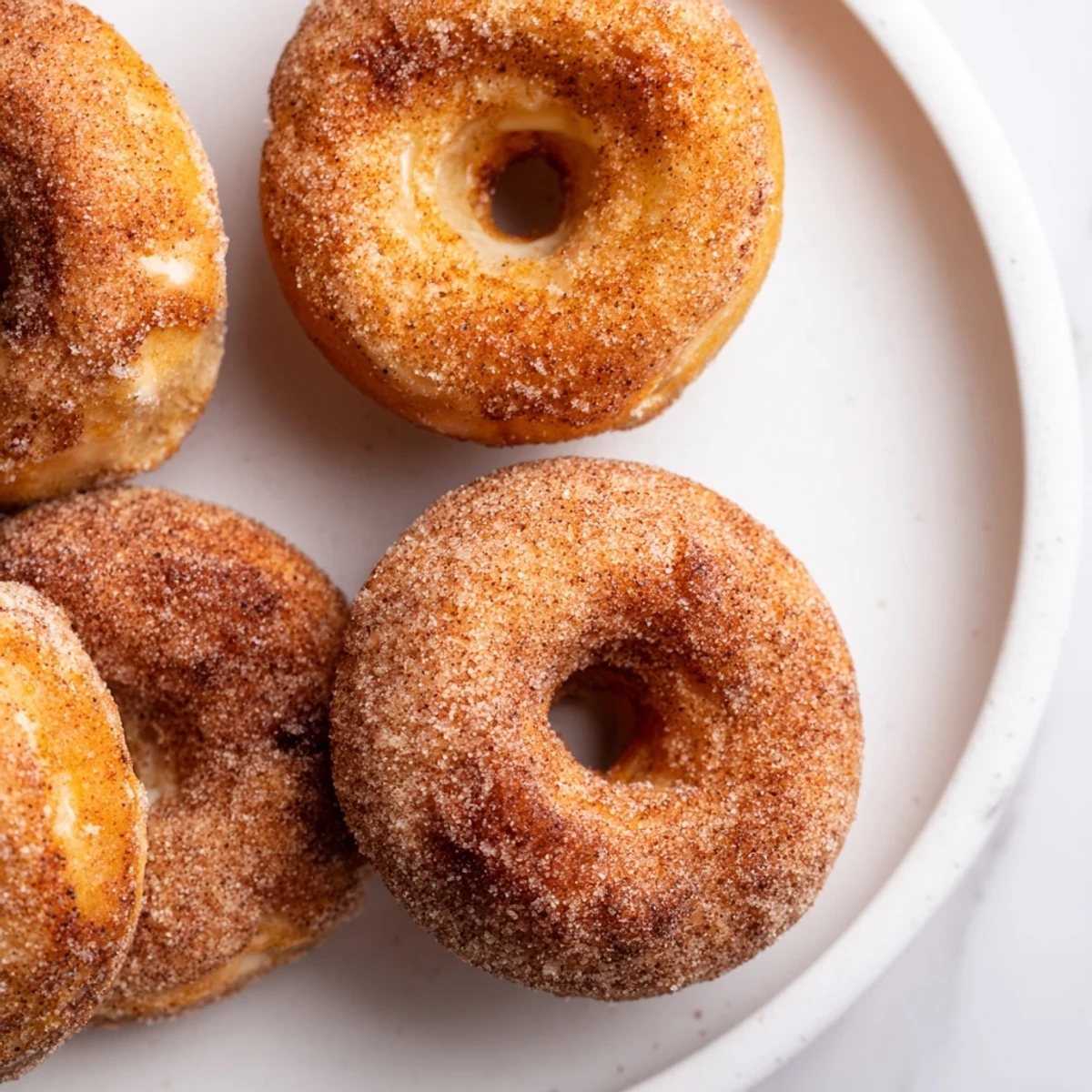
- Drain on paper towels briefly, brush with melted butter, then toss in cinnamon sugar while still hot. The heat makes the coating stick like a dream.
 Save
Save I remember sitting at the kitchen table with my best friend, dunking warm donuts into coffee and laughing about nothing important. That morning taught me that good food doesn't need an occasion, it creates one.
How to Store Them
Donuts are best the day you make them, but you can keep them in an airtight container at room temperature for up to two days. Reheat briefly in a low oven to revive the texture. Freezing works too—wrap individually and thaw at room temperature, then warm before serving.
Variations Worth Trying
Add a pinch of nutmeg to the dough for warmth, or swap cinnamon sugar for powdered sugar and a drizzle of vanilla glaze. I've also filled them with jam using a piping bag after frying, which turns them into something bakery-fancy with barely any extra effort.
Common Mistakes and Fixes
If your donuts turn out dense, you probably didn't let the dough rise long enough or your yeast was old. Greasy donuts mean the oil wasn't hot enough. Too dark too fast means the heat was too high.
- Always test oil temperature with a thermometer, not guesswork.
- Give the dough the full rise time even if it seems slow.
- Don't crowd the pot when frying or the temperature drops fast.
 Save
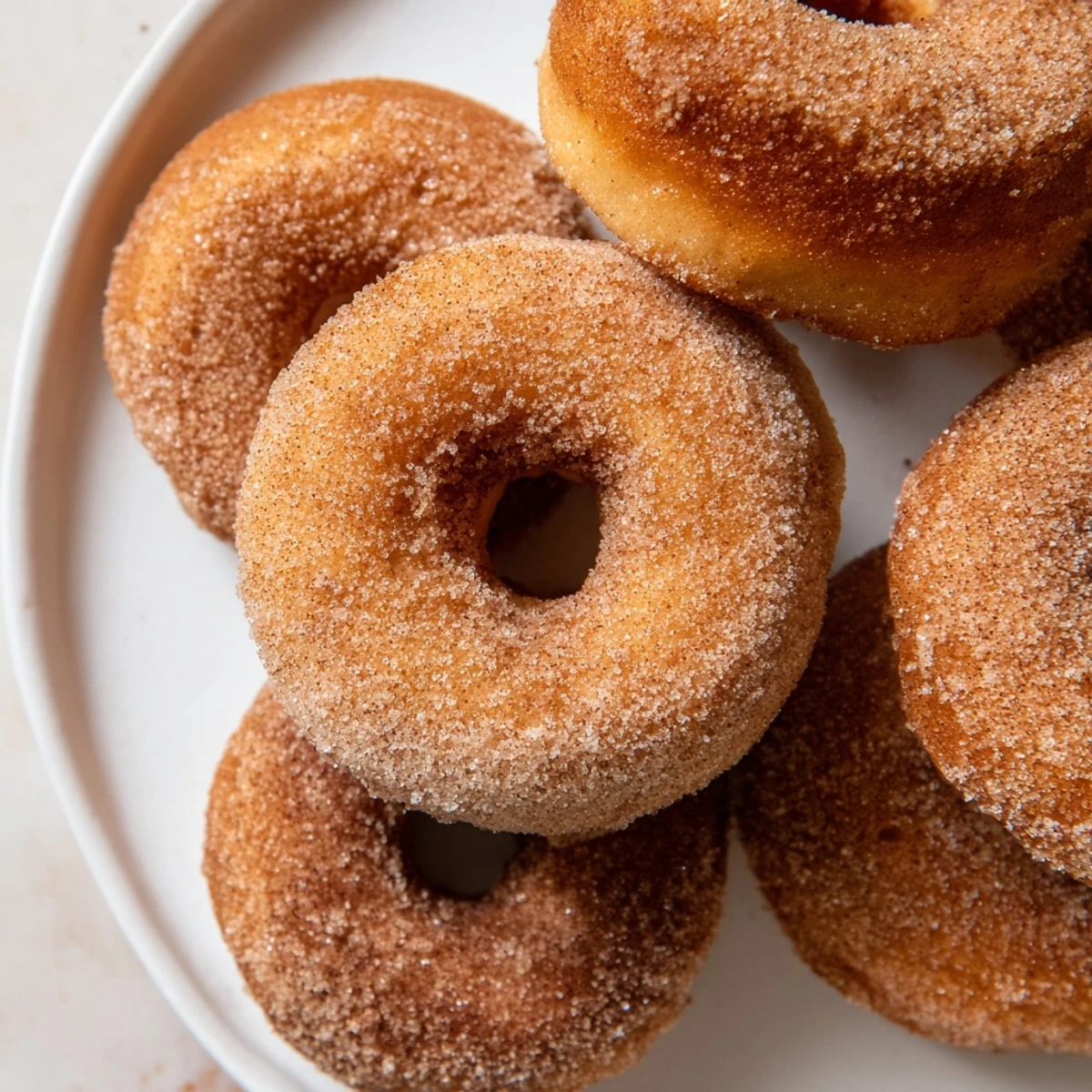
Save These donuts prove that the best mornings start with something made by hand, shared with people you love. They're worth every minute.
Questions & Answers
- → What type of flour is best for soft donuts?
-
All-purpose flour works well to achieve a tender, fluffy texture ideal for these donuts.
- → How do I ensure the dough rises properly?
-
Keep the dough in a warm, draft-free area covered with a cloth to allow the yeast to activate and make the dough double in size.
- → Can these donuts be baked instead of fried?
-
Yes, baking at 375°F (190°C) for 10–12 minutes offers a lighter alternative. Brush with butter and coat with cinnamon sugar after baking.
- → What oil is recommended for frying?
-
Vegetable oil is preferred for deep frying due to its neutral flavor and high smoke point.
- → How is the cinnamon sugar coating prepared?
-
Combine granulated sugar with ground cinnamon and toss the warm donuts in this mixture after brushing with melted butter.