
 Save
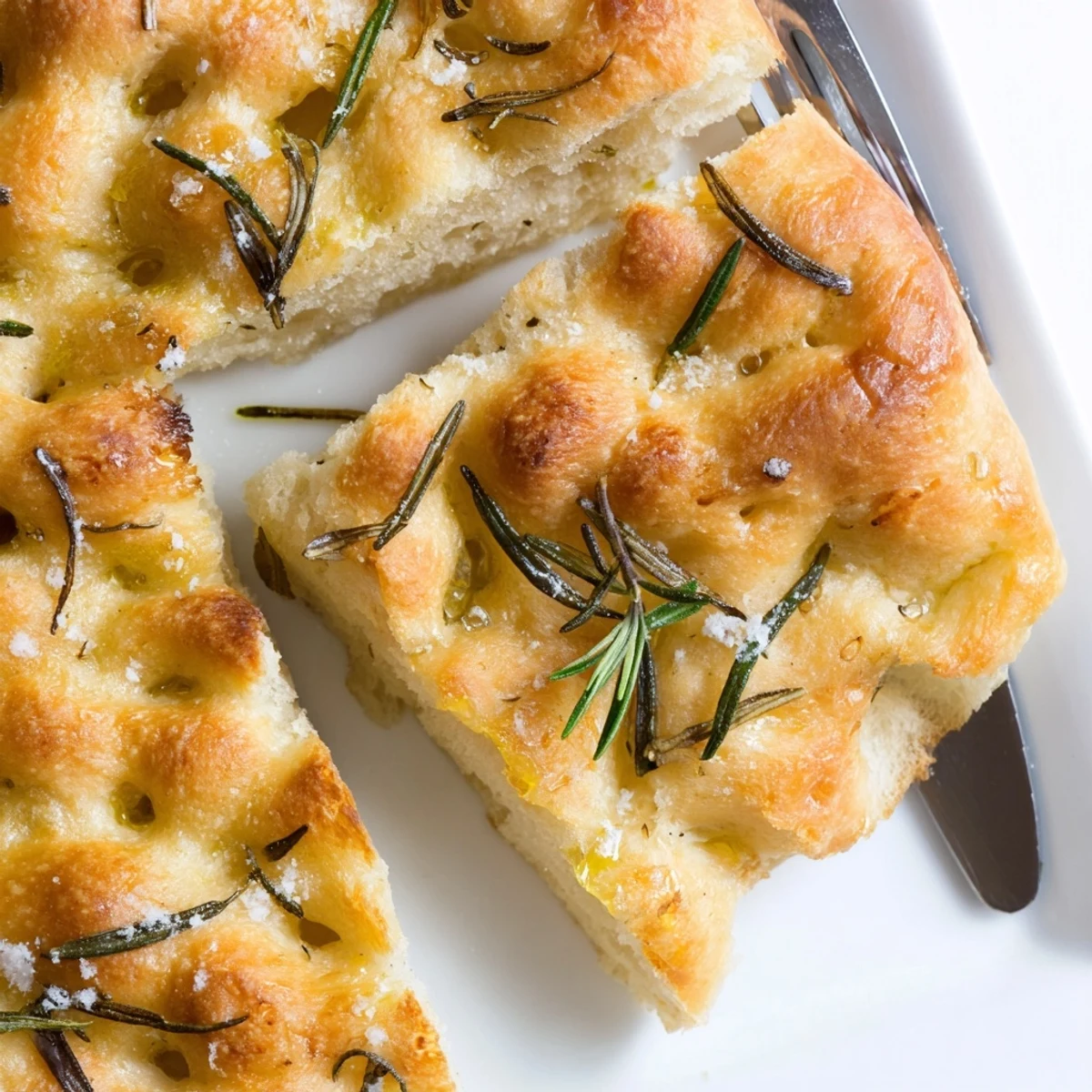
Save Create bakery-worthy Italian focaccia at home with this straightforward method. The high-hydration dough yields that signature airy interior while developing a beautifully golden, dimpled crust. A long rise develops deep flavor, while generous olive oil and flaky sea salt create the irresistible finish that makes focaccia irresistible. This versatile bread shines on its own, as sandwich base, or accompanying soups and salads.
The sound of dough stretching and popping under my knuckles is something I never get tired of, and focaccia is the bread that lets you indulge that satisfaction over and over. My first attempt was a Wednesday night disaster, flour dusted across every surface, but the second attempt, golden and dimpled and fragrant with rosemary, made me close my eyes and pretend I was standing in a tiny bakery in Liguria. There is something deeply meditative about pressing your fingers into pillowy dough and watching it respond. This recipe is the one I reach for when I want the house to smell extraordinary with almost no fuss.
I baked a tray of this for a backyard gathering last summer, setting it on a wooden board beside a bowl of hummus and watching people tear off warm pieces with their hands before I even had a chance to offer plates. My neighbor, who usually politely nibbles everything, came back for a fourth piece and asked if I could teach her. That kind of reaction is all the proof you need.
Ingredients
- Bread flour (500 g): Bread flour gives the crumb that chewy, airy structure, and after testing with all purpose flour I will never go back.
- Salt (10 g): Do not skimp here, salt strengthens the gluten and amplifies every other flavor in the bread.
- Active dry yeast (7 g): One standard packet, and always check the expiration date because stale yeast is the fastest way to a flat, sad focaccia.
- Lukewarm water (325 ml): Think warm bath temperature, not hot, because scalding water will kill your yeast instantly.
- Extra virgin olive oil (50 ml plus 2 tbsp): Use the good stuff here since the oil is a defining flavor, and the generous amount in the dough is what makes the interior so tender.
- Sugar (1 tsp): Just enough to wake up the yeast and get it bubbling with confidence.
- Fresh rosemary (1 tbsp): Fresh is leaps ahead of dried, but dried works in a pinch if you rub it between your palms to release the oils.
- Flaky sea salt (1 1/2 tsp): This is your finishing moment, so use something with texture and crunch that dissolves slowly on the tongue.
- Olives or cherry tomatoes (optional): Press them into the dough before baking and they caramelize into jammy little surprises.
Instructions
- Wake up the yeast:
- Stir the yeast and sugar into the lukewarm water and set it aside for about ten minutes until the surface looks cloudy and slightly bubbly, like a thin latte foam forming on top.
- Bring the dough together:
- Pile the flour and salt into a large bowl, carve out a well in the center, and pour in the yeast mixture along with the olive oil, stirring until you have a sticky, shaggy mass that clings to the spoon.
- Knead with patience:
- Turn the dough onto a lightly floured counter and knead for eight to ten minutes, pushing with the heel of your palm and folding it back, until the dough feels smooth and springs back gently when you press it.
- Let it rise:
- Transfer the dough to an oiled bowl, drape a damp towel over the top, and leave it in a warm spot for about an hour until it has swollen to roughly double its original size.
- Prepare the tray:
- Heat the oven to 220 degrees Celsius and pour a generous glug of olive oil across your baking tray, spreading it with your hands so every corner is slick and ready.
- Stretch and dimple:
- Plop the risen dough onto the oiled tray and gently stretch it toward the edges with your fingertips, pressing deep dimples all across the surface without deflating the dough completely.
- Finish and top:
- Drizzle the remaining olive oil over the top so it collects in the dimples, then scatter the rosemary, sea salt, and any olives or tomatoes you are using across the surface.
- Bake until golden:
- Let the topped dough rest for twenty to thirty minutes until it looks puffy, then slide it into the oven for twenty to twenty five minutes until the edges are deeply golden and the kitchen smells incredible.
- Cool and serve:
- Let the focaccia cool on the tray for a few minutes so the crust firms up, then slice into squares or rough rectangles and serve it warm while the olive oil is still glistening.
 Save
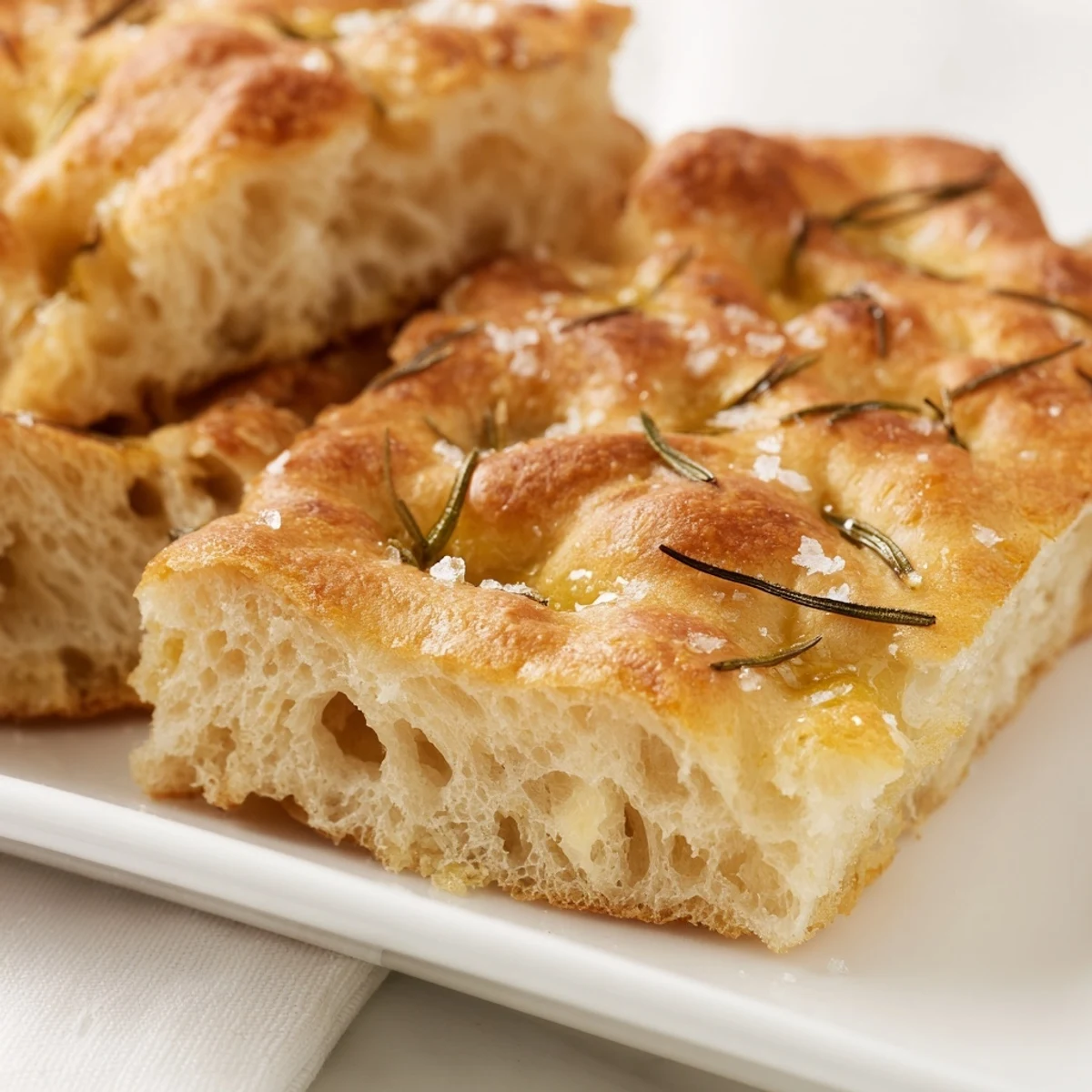
Save There was a rainy Sunday when I baked focaccia purely because the house felt cold and quiet and I needed something to do with my hands, and when it came out of the oven my partner wandered into the kitchen barefoot and just stood there inhaling. We ate half the tray standing at the counter, no plates, no napkins, just tearing pieces and passing them back and forth. Bread does that.
Getting Creative With Toppings
Once you master the basic dough, focaccia becomes a canvas for whatever is sitting in your fridge or pantry. Thinly sliced red onions and sprigs of thyme turn it into something savory and elegant, while sun dried tomatoes and a dusting of smoked paprika give it a bolder, deeper character. I have even pressed halved figs and crumbled gorgonzola into the dimples for a sweet and salty version that disappeared at a dinner party before the main course arrived.
Pairing Suggestions Worth Trying
Focaccia loves simple companions, and a shallow bowl of good olive oil with a crack of black pepper is honestly all you need. It also holds its own beside a bowl of minestrone or a crisp green salad with lemon vinaigrette. If you are pouring wine, a chilled Pinot Grigio or a light Chianti mirrors the Italian spirit of the bread perfectly.
Storage and Reheating Advice
Focaccia is best the day it is baked, but it stores remarkably well wrapped in foil at room temperature for up to two days. A brief stint in a hot oven, about five minutes at 180 degrees Celsius, brings back the crispy exterior better than a microwave ever could.
- Freeze sliced portions between sheets of parchment in a zip bag for up to one month.
- Thaw at room temperature and reheat briefly to revive the crust.
- Never refrigerate focaccia because the cold accelerates staling and steals everything wonderful about the texture.
 Save
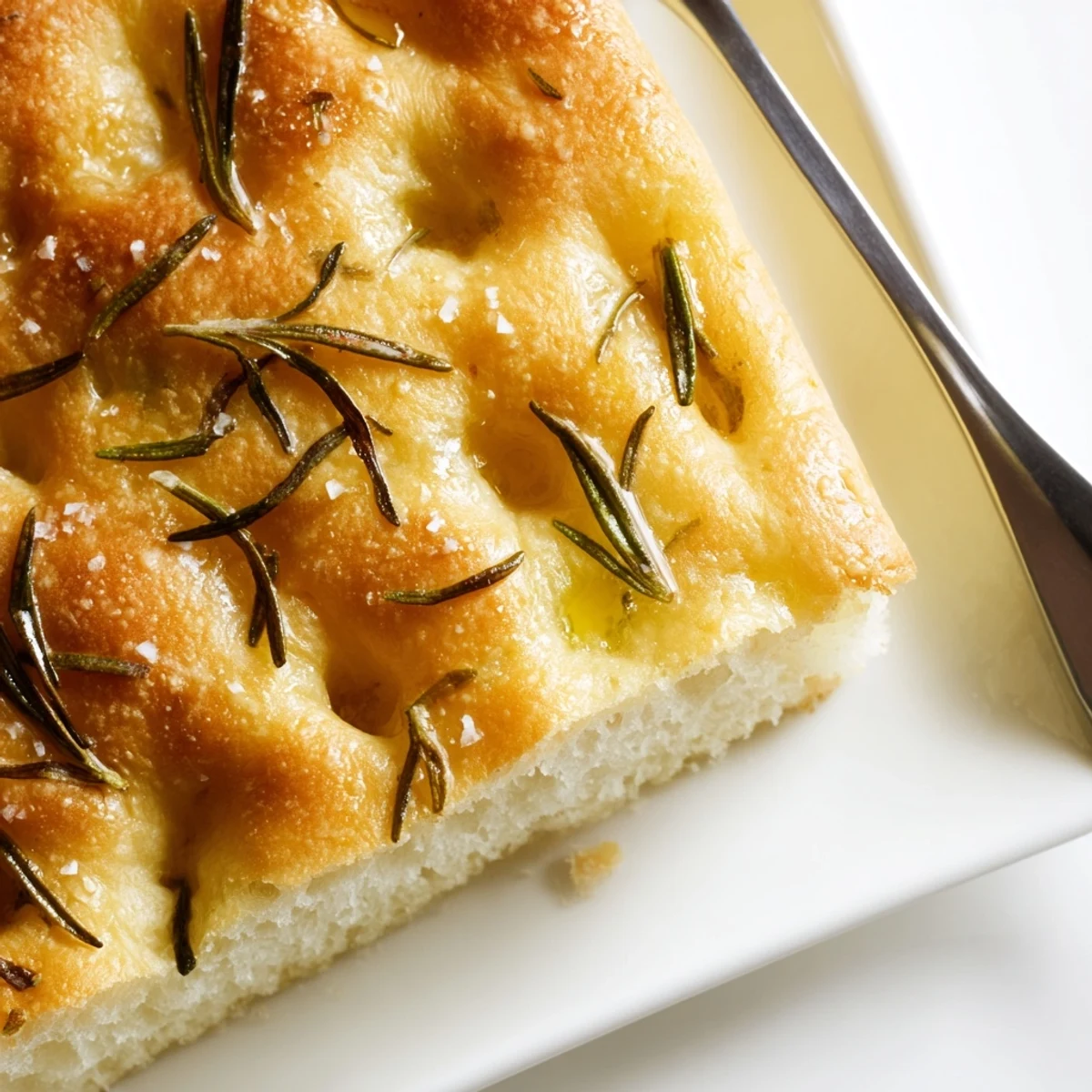
Save Every tray of focaccia teaches you something small and rewarding about working with dough, and I hope this recipe becomes one you return to whenever you want the kitchen to feel warm and alive. Tear off a piece, share it with someone nearby, and let the rest go cold on the counter without worry because it will still be gone by morning.
Questions & Answers
- → Why is my focaccia dense instead of airy?
-
Dense focaccia typically results from insufficient rising time or overworking the dough. Ensure the dough doubles in size during the initial rise, and avoid kneading beyond the recommended 8-10 minutes. The dough should feel slightly sticky and pliable.
- → Can I make focaccia dough ahead of time?
-
Absolutely. After the first rise, punch down the dough, wrap tightly, and refrigerate up to 24 hours. Bring to room temperature before shaping and the second rise. This actually enhances flavor development.
- → What's the purpose of dimpling the dough?
-
Dimpling creates those characteristic focaccia pockets that trap olive oil and herbs during baking. It also prevents excessive air bubble formation while helping the bread achieve its signature texture.
- → Can I use all-purpose flour instead of bread flour?
-
Bread flour provides superior structure and chewiness due to higher protein content. All-purpose flour works but yields slightly softer, less chewy results. For best texture, stick with bread flour or use half-and-half.
- → How do I store focaccia and how long does it last?
-
Wrap cooled focaccia in plastic or store in an airtight bag at room temperature for 2-3 days. For longer storage, freeze well-wrapped portions up to 3 months. Refresh in a 350°F oven for 5-10 minutes to restore crispness.
- → What can I use instead of fresh rosemary?
-
Dried rosemary works at one-third the amount. Other excellent herb options include fresh thyme, oregano, sage, or Italian herb blends. Each imparts a distinct character while maintaining that classic Mediterranean profile.