
 Save
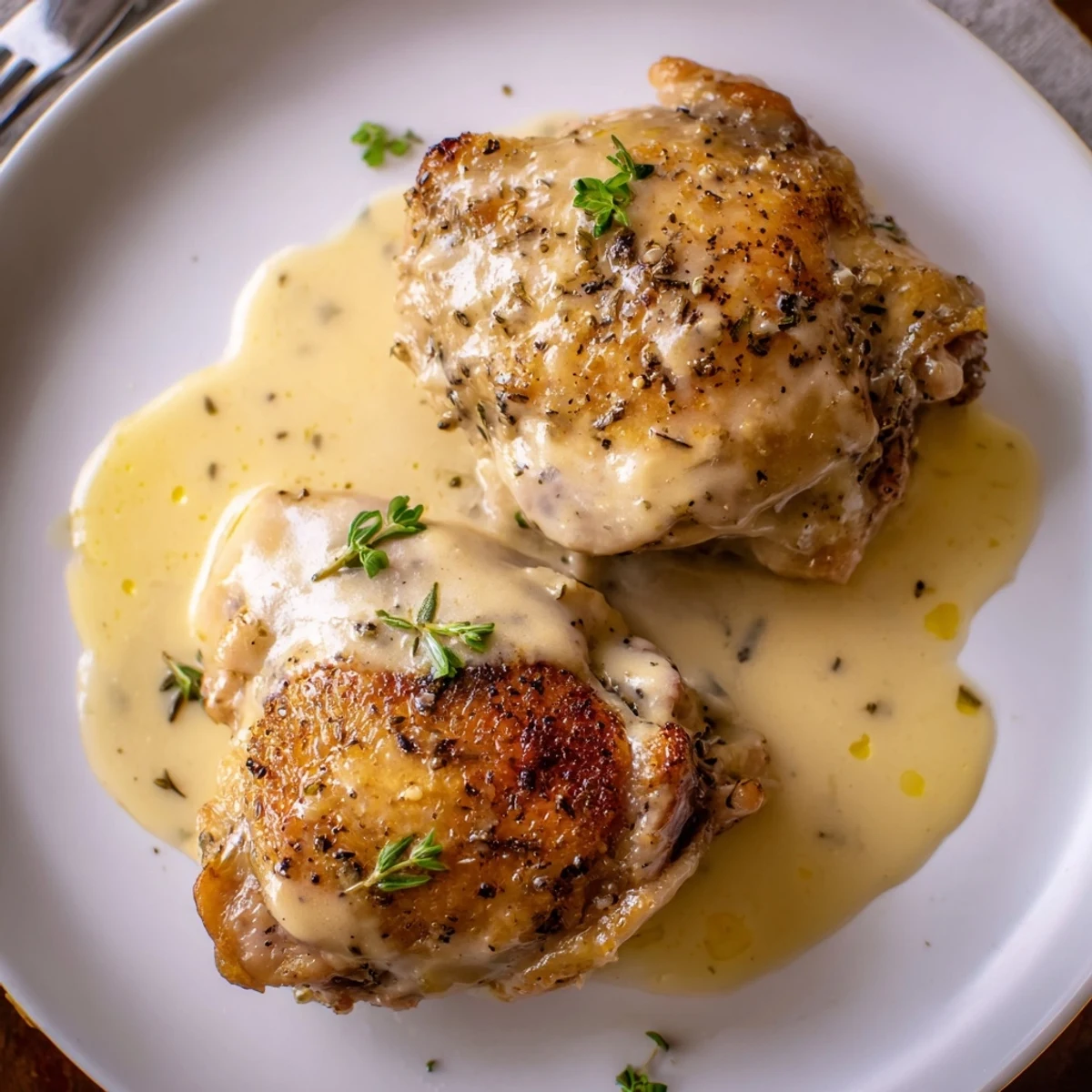
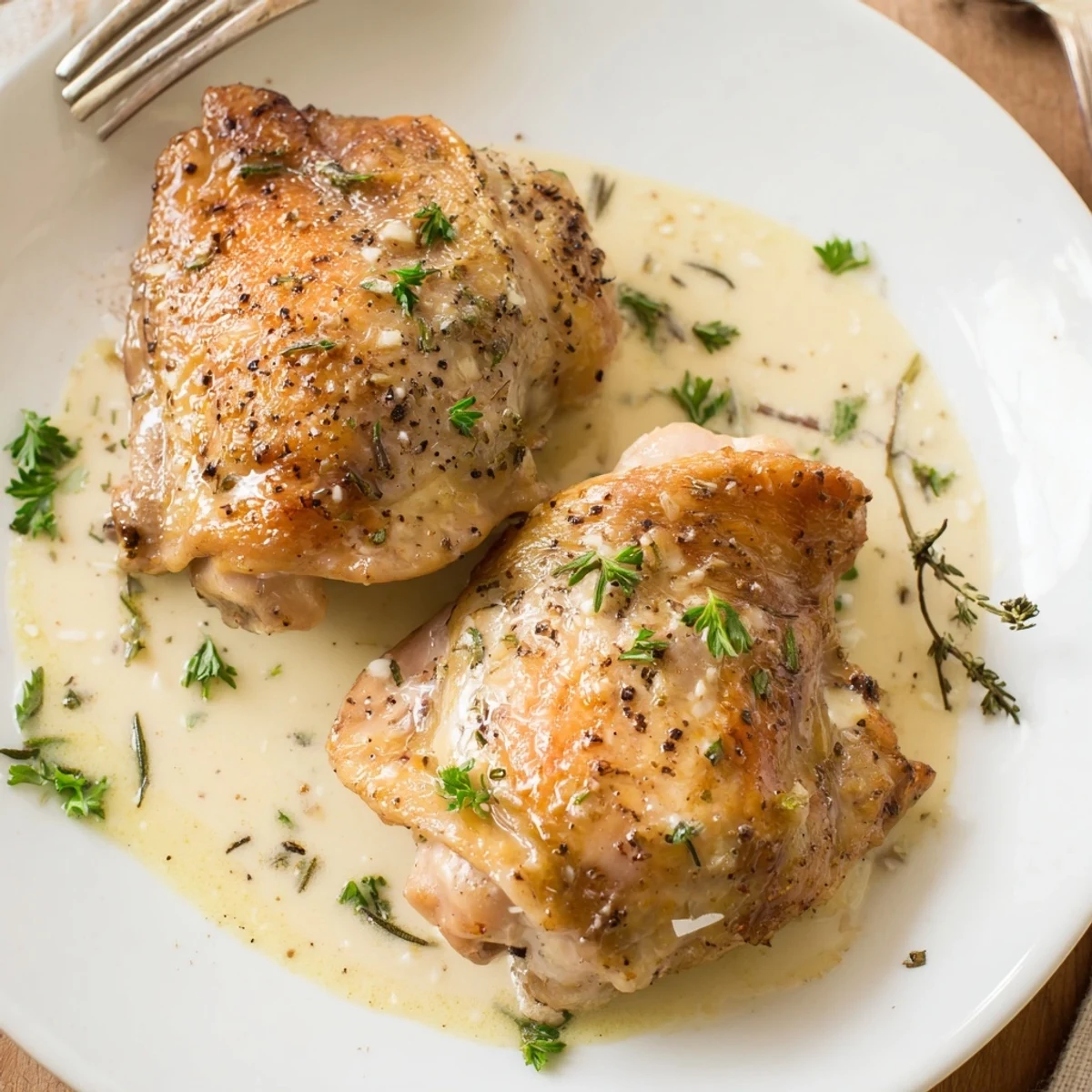
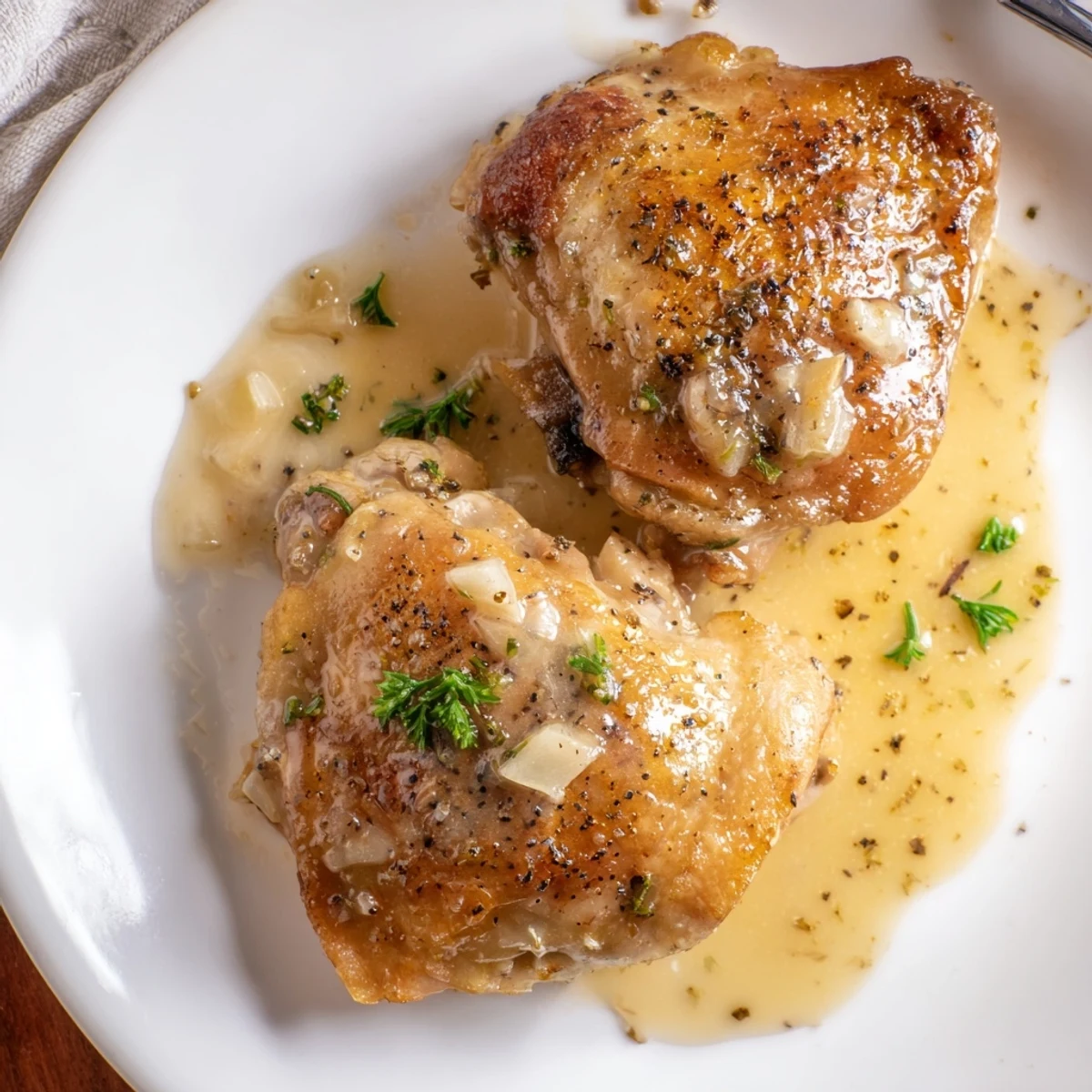
Save Seared bone-in, skin-on chicken thighs develop deep flavor, then finish in a buttery garlic cream scented with thyme, rosemary and parsley. Deglaze the skillet with chicken broth to lift browned bits, stir in cream, return the thighs and simmer until sauce thickens. Serve with mashed potatoes, rice or crusty bread; garnish with extra parsley.
The smell of garlic hitting butter in a hot pan is one of those things that makes everyone wander into the kitchen asking when dinner will be ready. I started making this creamy garlic chicken on rainy Tuesday nights when something warm and indulgent felt like the only reasonable answer to a long day. The skin gets impossibly golden and the sauce thickens into something you will want to eat with a spoon straight from the skillet. It has never once failed me, not even on the night I nearly burned the garlic and had to start over.
I once served this to my neighbor who had been surviving on cold sandwiches during a kitchen renovation, and she actually teared up over the second helping. There is something about a bubbling skillet of creamy herb sauce that makes people feel genuinely taken care of without you having to say a word.
Ingredients
- 4 bone-in, skin-on chicken thighs: The skin is everything here because it renders fat into the pan and creates those crispy edges that contrast beautifully with the creamy sauce.
- 5 cloves garlic, minced: Five sounds like a lot until you taste the sauce and realize you wish you had added six.
- 1 small onion, finely diced: This melts into the cream and gives the sauce a subtle sweetness that balances the garlic.
- 1 cup heavy cream: Do not even think about substituting with milk because the sauce needs the fat content to thicken properly without separating.
- 2 tbsp unsalted butter: Used alongside olive oil for searing, it adds richness that you simply cannot replicate.
- 1/2 cup chicken broth: This deglazes the pan and lifts all those flavor-packed browned bits off the bottom.
- 1 tsp dried thyme: A quiet herb that does heavy lifting in the background of every bite.
- 1 tsp dried rosemary: Crush it between your fingers before adding to release the oils and make it taste freshly picked.
- 1/2 tsp dried oregano: Just a touch bridges the gap between the other herbs and rounds out the flavor.
- 1 tbsp fresh parsley, chopped: Stirred in at the end for a hit of brightness that keeps the dish from feeling too heavy.
- Salt and freshly ground black pepper: Season the chicken generously and taste the sauce before serving to adjust.
- 1 tbsp olive oil: Combined with butter for searing, it raises the smoke point so the butter does not burn.
Instructions
- Season the chicken:
- Pat the chicken thighs completely dry with paper towels and season both sides generously with salt and pepper, pressing it into the skin so it adheres during searing.
- Build the sear:
- Heat the olive oil and butter in a large skillet over medium-high heat until the butter foams and the foam begins to subside, then lay the chicken in skin side down without crowding the pan.
- Brown both sides:
- Cook for five to six minutes per side until the skin is deeply golden and crispy, then remove the chicken to a plate and let it rest while you build the sauce.
- Soften the aromatics:
- In the same skillet with all those rendered chicken juices, cook the diced onion for two to three minutes until translucent, then add the minced garlic and stir for one minute until your kitchen smells incredible.
- Deglaze the pan:
- Pour in the chicken broth and use a wooden spoon to scrape up every last browned bit from the bottom because that concentrated flavor is the secret to a sauce that tastes like it took hours.
- Build the cream sauce:
- Reduce the heat to medium-low, stir in the heavy cream, thyme, rosemary, oregano, and parsley, and let everything come together into a fragrant, silky base.
- Simmer to finish:
- Nestle the chicken thighs back into the skillet skin side up, spoon some sauce over the top, cover with a lid, and simmer for fifteen minutes until the chicken is cooked through and the sauce coats the back of a spoon.
- Taste and serve:
- Give the sauce a final taste and adjust the salt and pepper if needed, then scatter extra parsley over the top and bring the skillet straight to the table.
 Save
Save There was a Sunday when the power went out just as I finished simmering, and we ate this by candlelight with chunks of torn bread, and honestly it was the best meal of that entire month.
Serving Suggestions That Actually Work
Mashed potatoes are the obvious choice and they are obvious for a reason because that sauce pooled over creamy potatoes is genuinely magical. Rice works beautifully too since it soaks up every drop, and crusty bread is really the most practical utensil when you want to leave a clean plate.
Making It Your Own
A splash of white wine added right after the broth transforms the sauce into something slightly more elegant without any extra effort. You can swap in boneless skinless thighs if you prefer, just reduce the simmer time by about five minutes and keep an eye on the internal temperature. A handful of spinach stirred in at the very end wilts into the sauce and adds color without changing the character of the dish.
Tools and Timing
A large skillet with a tight fitting lid is really the only essential piece of equipment here, and everything happens in it from sear to serve. The whole dish comes together in about thirty five minutes, which makes it fast enough for a weeknight but special enough for company.
- Let the chicken rest for two minutes after searing so the juices redistribute before it goes back into the sauce.
- Check that your chicken broth is labeled gluten-free if that matters to you, since not all brands are.
- Leftovers reheat gently over low heat with a splash of broth to loosen the sauce back up.
 Save
Save This is the kind of recipe that earns a permanent spot in your rotation because it asks so little and gives so much back. Make it once and you will find yourself reaching for it every time the sky turns gray.
Questions & Answers
- → How can I tell the thighs are fully cooked?
-
Use an instant-read thermometer — internal temperature should reach 165°F (74°C). The juices should run clear and the meat should feel tender when pierced; if skin is still tough, a few extra minutes simmering in the sauce will finish them gently.
- → Can I swap bone-in thighs for boneless, skinless ones?
-
Yes. Boneless, skinless thighs cook faster and may need 8–10 minutes total in the skillet plus 8–12 minutes simmering, so check internal temperature earlier to avoid overcooking. Browning time will be shorter without skin.
- → What’s the best way to thicken the cream sauce?
-
Simmer uncovered to reduce and concentrate the sauce, stirring occasionally. For faster thickening, whisk a small cornstarch slurry (1 tsp cornstarch + 1 tbsp cold water) into the simmering sauce, or remove the thighs, boil down the sauce, then return the meat.
- → Can I make a dairy-free version?
-
Swap heavy cream for full-fat coconut cream or a thick oat cream and replace butter with vegan margarine or olive oil. The flavor will shift slightly, so add a splash of lemon or a touch more herbs to balance richness.
- → Should I deglaze the pan, and with what?
-
Yes — deglazing with chicken broth lifts browned bits and builds depth. For extra brightness and complexity, add a splash of dry white wine alongside the broth, then scrape the fond before adding cream and herbs.
- → How should leftovers be stored and reheated?
-
Cool quickly and refrigerate in an airtight container for up to 3–4 days. Reheat gently over low heat, adding a splash of broth or cream to loosen the sauce and prevent breaking; avoid high heat to keep the sauce smooth.