
 Save
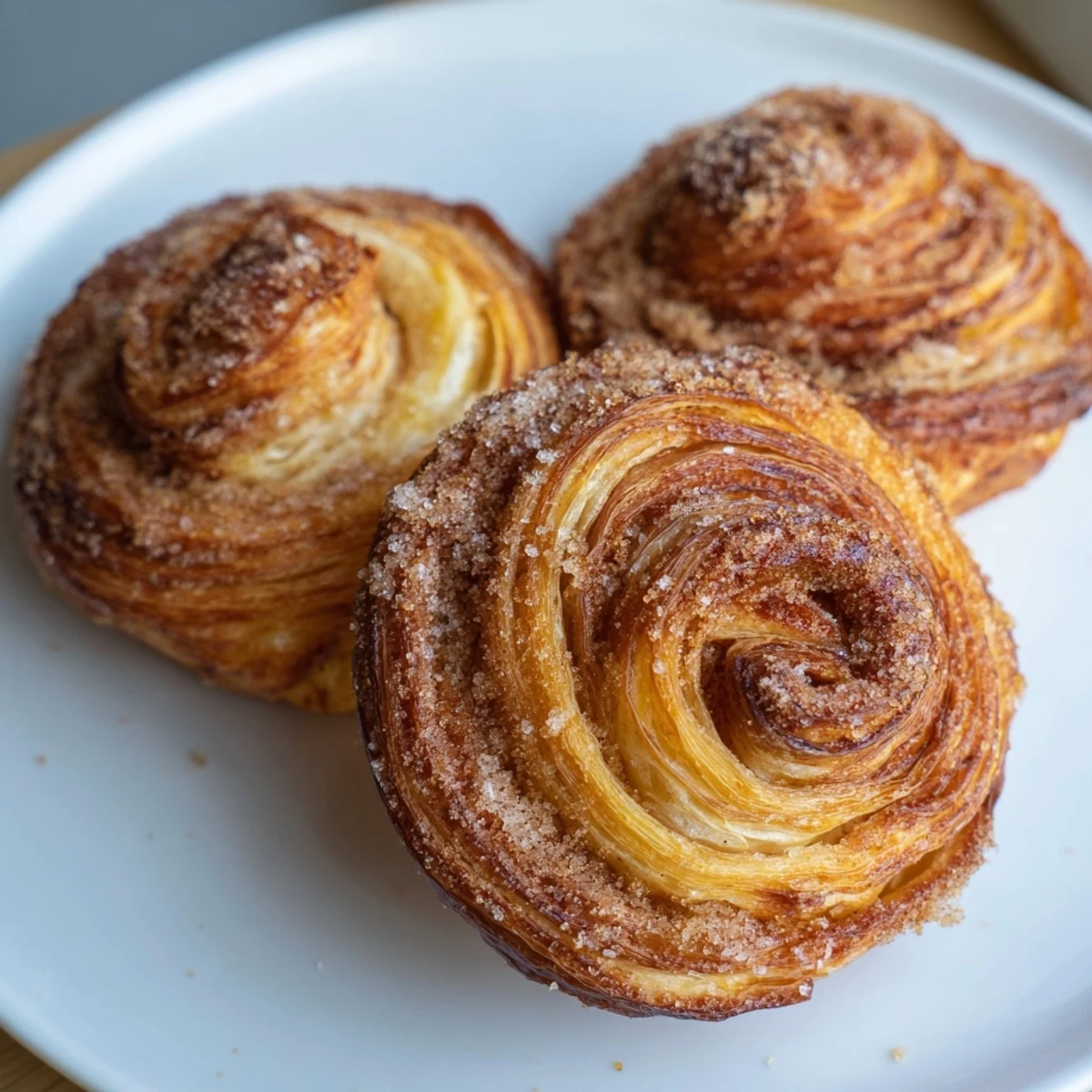
Save Cruffins bring together the best of two beloved pastries: the shatteringly flaky layers of a croissant and the convenient, portable shape of a muffin. Made with an enriched yeast dough that's laminated with a generous butter layer, each one delivers rich, buttery flavor with every bite.
The process involves making a straightforward dough, folding in butter through a classic lamination technique, then cutting, twisting, and coiling the dough into muffin tins. After a final rise, they bake into tall, golden beauties with crisp exteriors and soft, layered interiors. An optional roll in cinnamon sugar adds a warm, sweet finish.
The sound of butter hitting parchment paper at six in the morning is oddly satisfying, a soft thwack that became my weekend alarm clock for an entire month last winter. I had seen cruffins at a bakery in Copenhagen and refused to believe they were something I could make at home, until stubbornness won out over common sense. The result was a complete mess the first three tries, but attempt number four produced something so golden and ridiculous that I stood in my kitchen laughing at myself with flour in my hair.
I brought a batch to my neighbors during a particularly dreary February Sunday and ended up standing in their hallway for forty minutes, drinking coffee and watching their teenager eat three in complete silence. That was the moment I knew this recipe had earned a permanent spot in my rotation.
Ingredients
- 375 g all-purpose flour: This is your foundation so pick a reliable brand with decent protein content for proper structure.
- 7 g instant yeast: One standard sachet does the job perfectly and dissolves right into your dry mix without proofing.
- 40 g granulated sugar: Just enough sweetness to support the butter without turning this into a sweet roll.
- 8 g salt: Do not skip or reduce this because salt strengthens gluten and balances every gram of butter you are about to fold in.
- 180 ml lukewarm water: Think baby bath temperature, not hot, or you will kill the yeast before it even starts.
- 70 ml whole milk (lukewarm): The fat here adds tenderness and a subtle richness that water alone cannot provide.
- 30 g unsalted butter, melted: This small amount softens the dough from within and makes kneading noticeably smoother.
- 150 g unsalted butter (room temperature) for the layer: This is the star so use the best butter you can find and make sure it is pliable but not melted.
- 60 g granulated sugar and 1 tsp ground cinnamon (optional topping): A generous coating while the cruffins are still warm creates an irresistible crunchy shell.
Instructions
- Build the dough:
- Combine the flour, yeast, sugar, and salt in a large bowl, then pour in the lukewarm water, milk, and melted butter, stirring until everything comes together into a shaggy mass that barely holds together.
- Knead until proud:
- Work the dough for five to seven minutes until it transforms from sticky and unkempt into a smooth, springy ball that bounces back when you poke it gently with your finger.
- Let it breathe:
- Cover the bowl and leave it in a warm spot for one hour until it has puffed up and doubled, filling whatever container you chose with a soft, sighing dome.
- Prepare the butter slab:
- Beat the room temperature butter between two sheets of parchment into a neat rectangle about fifteen by twenty centimeters, then chill it just enough to hold its shape but remain flexible when you bend it.
- Lock in the layers:
- Roll the risen dough out to a large rectangle, lay the butter slab across it, and fold the whole thing into thirds like a letter, pressing gently to seal the butter inside before rotating ninety degrees and repeating the roll and fold once more.
- Give it a cold nap:
- Wrap the folded dough and refrigerate it for one full hour so the butter firms up and the gluten relaxes, which is the only way you will get those dramatic layers later.
- Divide and conquer:
- Roll the chilled dough out again to a large rectangle about thirty by fifty centimeters, then use a knife or dough scraper to cut it into twelve even strips lengthwise, keeping them as uniform as your patience allows.
- Shape each cruffin:
- Take one strip, stretch it gently if needed, roll it up tightly like a tiny carpet, then slice it down the middle to expose all those beautiful laminated layers staring back at you.
- Coil and tuck:
- Twist each half into a loose spiral and coil it into a greased muffin tin cavity with the cut layers facing outward so they fan open dramatically during baking.
- The final rise:
- Cover the tin loosely and let the shaped cruffins rest at room temperature for forty five minutes to one hour until they look puffy and have risen to fill the cavities with barely contained promise.
- Bake to gold:
- Preheat your oven to two hundred degrees Celsius and bake for eighteen to twenty two minutes, watching for that deep golden color and an aroma that will draw people into the kitchen without invitation.
- Finish with flair:
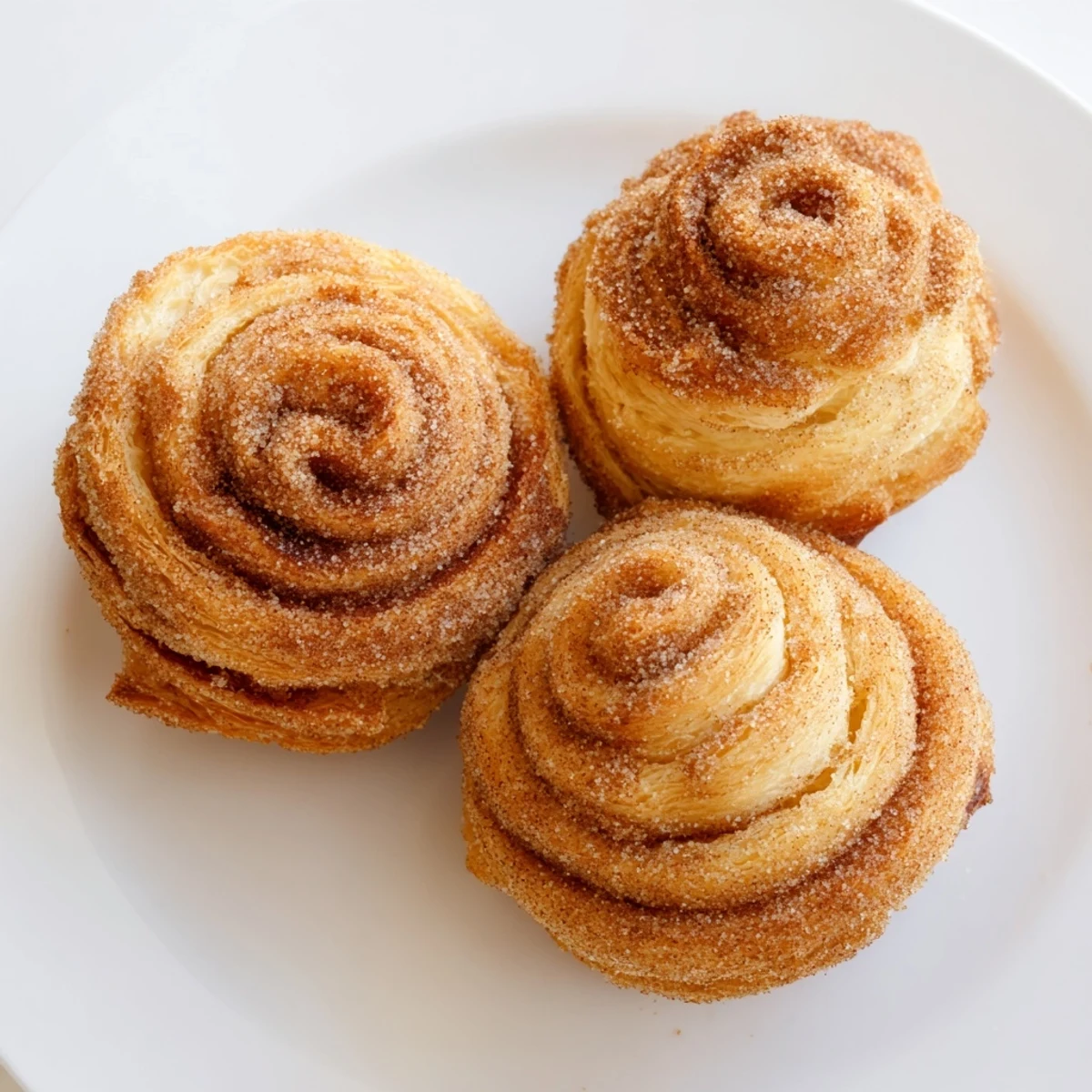
- Let them cool just enough to handle, then roll each warm cruffin in cinnamon sugar if you are using it, coating every ridge and crevice while the buttery surface is still slightly tacky.
 Save
Save There is something quietly magical about pulling a muffin tin out of the oven and seeing twelve perfectly golden spirals that you built layer by layer with your own hands.
Making Them Your Own
Spread a thin layer of raspberry jam or melted dark chocolate across the dough before rolling it up and you will get a hidden pocket of flavor that surprises people on the first bite.
Storage That Actually Works
Cruffins are at their peak within the first few hours of baking when the exterior still has a slight crunch and the interior practically dissolves on your tongue. If you must keep them overnight, an airtight container at room temperature works for up to two days, but always give them a brief warm in the oven to wake up the layers.
What I Wish Someone Had Told Me Sooner
The shaping step feels awkward the first few times and that is completely normal, so do not judge your cruffins by how they look going into the tin because the oven performs most of the magic anyway.
- A dough scraper is worth its weight in gold for cutting even strips without dragging and tearing.
- If your kitchen is very warm, work quickly during the shaping stage or pop the tin into the fridge for ten minutes halfway through to keep the butter from softening.
- Trust the process even when the shaped cruffins look messy because they bake up beautifully almost every single time.
 Save
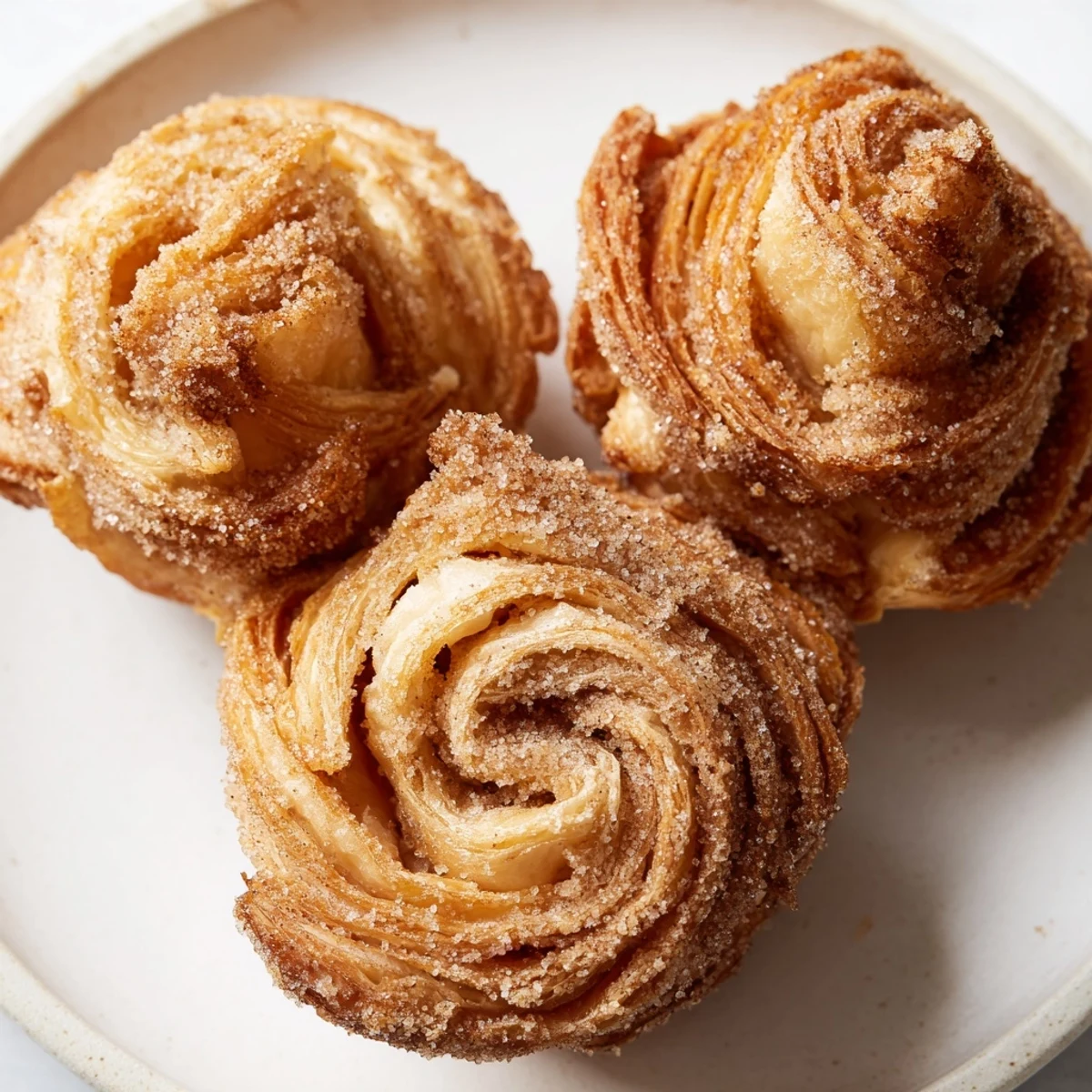
Save Make these once and you will understand why people become obsessed with laminated dough, because tearing open a warm cruffin and watching the layers separate like pages of a book is the kind of small kitchen triumph that makes everything else fade away for a moment.
Questions & Answers
- → Why is my cruffin dough not rising properly?
-
Yeast needs warmth to activate. Ensure your water and milk are lukewarm (around 37°C/98°F), not hot, as high temperatures kill yeast. Also, give the dough enough time in a warm, draft-free spot until it has visibly doubled in size.
- → Can I prepare cruffin dough the night before?
-
Yes, you can refrigerate the dough after the lamination step overnight. This actually improves flavor through slow fermentation. Let it come to room temperature for about 30 minutes before rolling and shaping.
- → Why does the butter need to stay pliable during lamination?
-
If the butter becomes too cold and hard, it will tear through the dough rather than spread evenly. If it's too soft, it will melt into the dough. The ideal consistency is similar to the dough itself — cool but flexible, so both layers move together during rolling.
- → What can I fill cruffins with besides cinnamon sugar?
-
Before shaping, you can spread a thin layer of jam, Nutella, lemon curd, or pastry cream on the dough strips. Savory options like cheese, herbs, or pesto also work beautifully. Just don't overfill, or the layers won't separate properly during baking.
- → How do I get more defined layers on my cruffins?
-
Keep everything well-chilled between folds, and use a sharp knife or dough scraper to cut the strips cleanly. When coiling into the tin, make sure the cut sides face outward so the layers are visible and can fan out during baking.
- → Can I freeze baked cruffins?
-
Yes, baked cruffins freeze well for up to one month. Wrap them individually in plastic wrap and place in a freezer bag. Reheat directly from frozen in a 175°C (350°F) oven for about 8–10 minutes to restore crispness.