
 Save
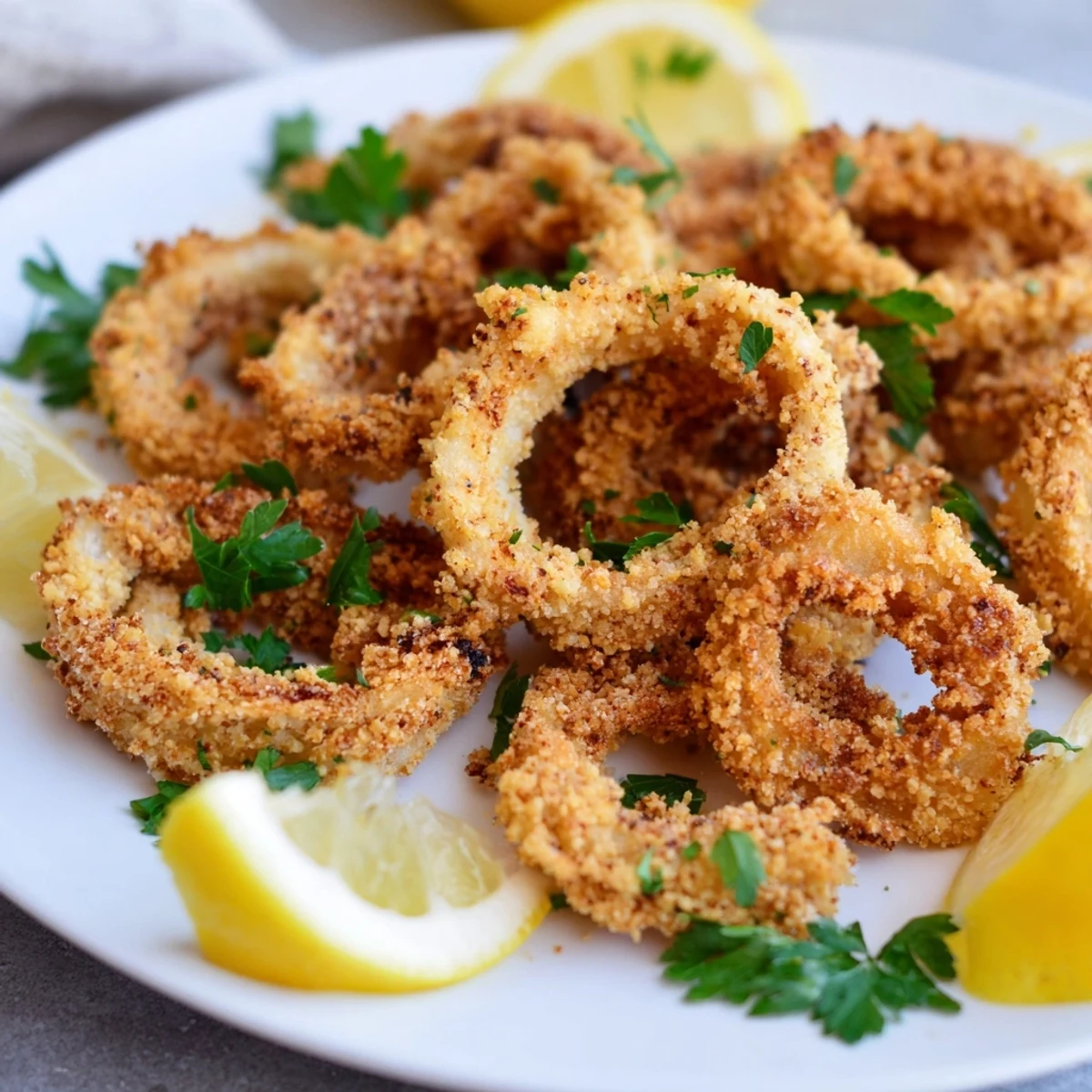
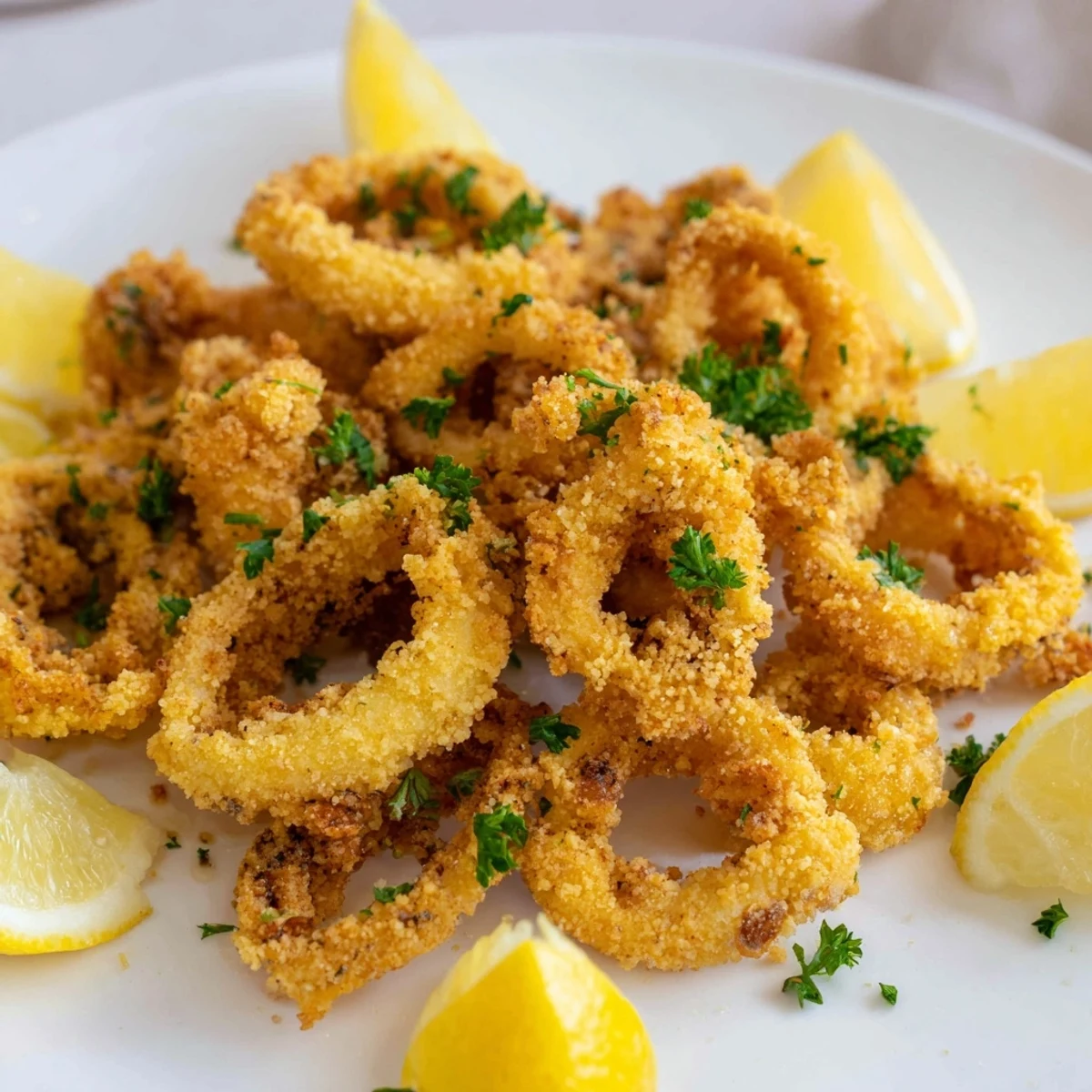
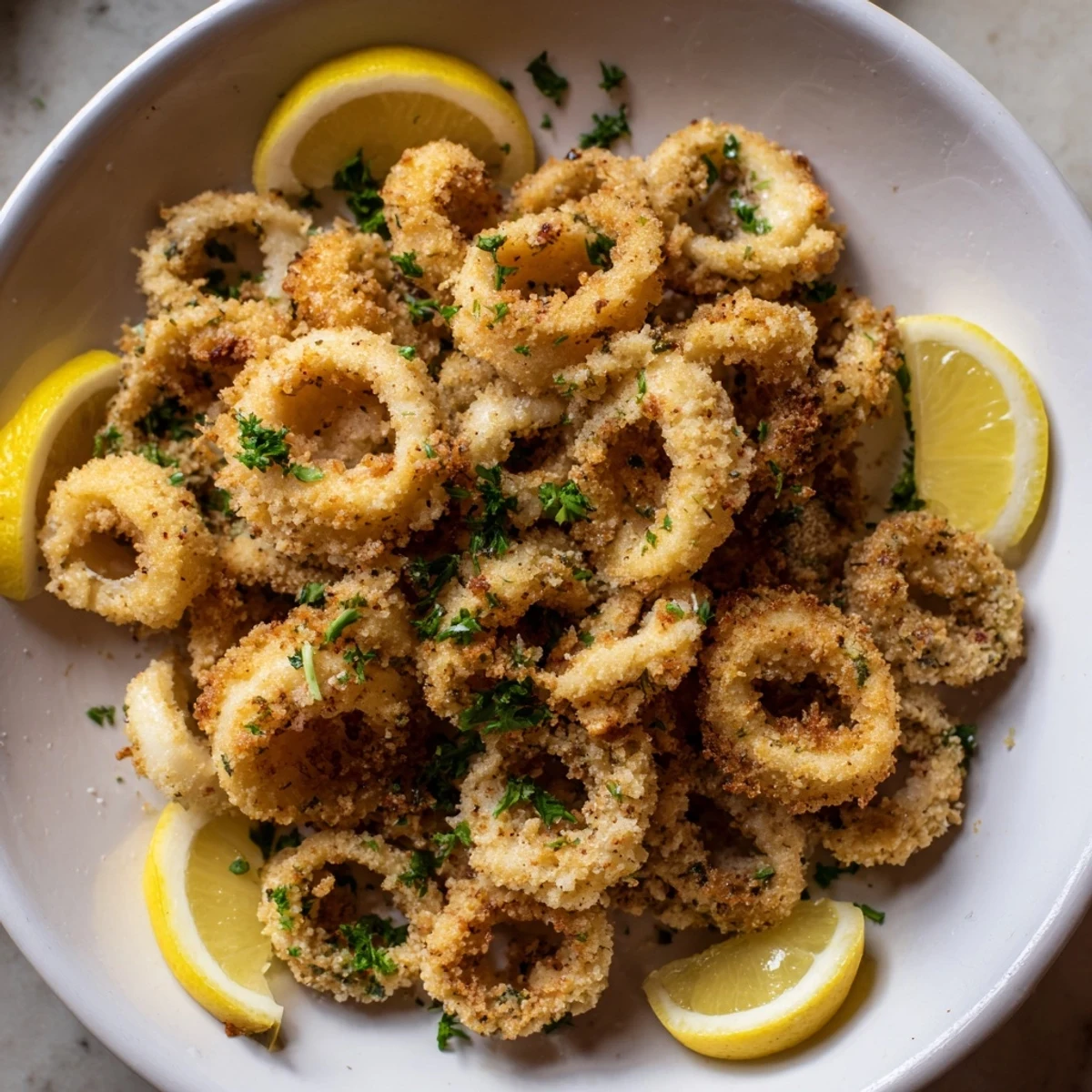
Save This dish features tender, golden-fried calamari rings, coated in a light flour and cornmeal mixture for extra crunch. The squid is fried quickly to ensure a crisp exterior and juicy interior, then finished with fresh parsley and a sprinkle of sea salt. Served with tangy lemon wedges and a choice of dipping sauces, it offers a satisfying balance of textures and citrus brightness. Perfect as a snack or appetizer, it pairs well with crisp white wines and is easy to prepare within 25 minutes.
I still remember the first time I had truly exceptional fried calamari—it was at a small harbor-side taverna in southern Italy, where the chef had just brought in the morning's catch. The rings were impossibly golden and crispy, yet when I bit into them, they surrendered to the gentlest pressure, tender as butter inside. I spent months trying to recreate that magic in my own kitchen, and when I finally nailed it, I understood the secret: respect the squid, keep everything cold until the last moment, and never, ever overcrowd the pan. This recipe is my love letter to that moment.
I made this for my sister's birthday dinner last spring, and watching everyone's eyes light up when they bit into that first ring—golden, crackling, juicy—reminded me why I love cooking. She looked at me and said, "Did you actually make this?" in that tone of pure disbelief. Yes. Yes, I did. And so can you.
Ingredients
- 500 g cleaned squid, sliced into 0.5 cm rings: The foundation of everything. Buy it fresh if your fishmonger will slice it, or do it yourself with a sharp knife—the thickness matters because thin rings cook faster and stay tender. Both the tubes and tentacles work, though tentacles add character.
- 100 g all-purpose flour: The base of your coating. Don't skip this step of combining it with cornmeal, even if cornmeal seems optional—it's the difference between good and unforgettable.
- 50 g cornmeal: This is your secret weapon for that restaurant crunch. Semolina works too if you want to experiment, but cornmeal gives you that specific texture that makes people ask what your trick is.
- 1 tsp sea salt: Taste as you go—the squid itself has subtle flavor that salt will amplify, not overpower.
- ½ tsp freshly ground black pepper: Fresh pepper matters here because you taste it up close. Pre-ground pepper tastes tired by comparison.
- ½ tsp paprika: Optional but transforms the dish from simple to Spanish-taverna-worthy. Use sweet paprika, not smoked, unless you want a campfire flavor.
- 750 ml vegetable oil: Use something neutral that won't add flavor—vegetable, canola, or peanut oil. Olive oil is too precious and burns too easily. You need enough for proper deep frying, not shallow pan-frying.
- 1 lemon, cut into wedges: The brightness that cuts through the richness. Don't skip this—squeeze it over everything.
- 2 tbsp fresh parsley, chopped: Sprinkle it on while the calamari is still hot so it clings to the oil and adds color and a fresh herbal note.
- Dipping sauce: Aioli, marinara, or tartar sauce all work beautifully. Make or buy what speaks to you.
Instructions
- Prep the squid:
- This step feels small but shapes everything. Pat those rings completely dry with paper towels—and I mean dry. Any moisture clinging to the squid creates steam when it hits the hot oil, and steam is the enemy of crispness. Take your time here.
- Build your coating:
- In a shallow bowl, combine the flour, cornmeal, salt, pepper, and paprika. Give it a gentle stir with your fingers to break up any clumps. This is now your magic dust, so make sure it's evenly mixed. Taste a tiny pinch to check the seasoning—you want it to taste good enough to eat plain.
- Coat the calamari:
- Add your dried squid rings to the flour mixture and toss gently but thoroughly, making sure every surface gets covered. The rings should look like they've been dipped in fine sand. Shake off the excess coating over the bowl—you want a thin, even layer, not a thick crust. Excess flour falls off in the oil and burns, making everything taste bitter.
- Heat the oil to the perfect temperature:
- This is non-negotiable. Use a kitchen thermometer and bring your oil to 180°C (350°F). Too cool and the calamari absorbs oil and becomes greasy; too hot and the outside burns before the inside cooks through. When the oil is ready, you'll see gentle, persistent ripples across the surface and a faint shimmer above it.
- Fry in small, careful batches:
- This is where patience pays off. Add only a handful of rings at a time—roughly a quarter of your total batch. The moment they hit the oil, you'll hear a sharp sizzle and see them sink slightly, then float. Watch them closely. After 1 to 2 minutes, they'll turn golden brown. Don't leave them in longer hoping for darker color; they'll become tough and chewy. The golden stage is the moment to pull them out.
- Drain and finish:
- Remove each batch with a slotted spoon, letting excess oil drip back into the pot. Spread them on paper towels to drain. While they're still hot and glistening, sprinkle them with a pinch of fleur de sel and scattered fresh parsley. The residual heat wilts the parsley slightly, and the salt clings to the warm oil.
- Serve immediately:
- Bring them to the table while they're still warm and the texture is at its peak. Arrange them on a platter with lemon wedges and your chosen dipping sauce. Eat within minutes for the best experience.
 Save
Save There's a moment when someone's been skeptical about squid their whole life—"I don't eat calamari, it's slimy"—and then they take a bite of something crispy and tender and their whole face changes. That's the gift of this dish.
The Temperature Secret
Getting the oil temperature right is the single most important technical detail here. At 180°C, the outside crisps while the inside stays tender and juicy. I've made this at 170°C and the coating never fully crisps, becoming instead a sad, greasy film. I've made it at 190°C and watched the exterior brown while the squid stayed cold inside. A kitchen thermometer is the best 10 dollars you'll spend. Trust the numbers, not your instincts about how hot it looks.
Variations That Work
Once you nail the basic technique, the recipe opens up to gentle experimentation. Swap cornmeal for semolina and you get a more golden, slightly less crunchy finish. Add cayenne or chili powder to the breading for heat. Mix garlic powder or dried oregano into the coating for deeper flavor. Mix a beaten egg into your flour mixture for a thicker, more substantial crust—though this changes the texture significantly and requires slightly longer cooking time. The squid itself is the star, so any additions should complement rather than drown it out.
- Try smoked paprika if you want a deeper, almost Spanish-taverna flavor profile.
- A squeeze of fresh lime instead of lemon gives a bright, tropical twist.
- Dust the warm calamari with finely grated Parmesan cheese right after it comes out of the oil—it sticks to the residual moisture and creates an umami layer.
Pairing and Serving Ideas
Fried calamari wants to be served as the opener to a meal, giving everyone something to enjoy while other dishes are being plated. A crisp white wine—Pinot Grigio, Sauvignon Blanc, or Greek Assyrtiko—cuts through the richness and cleanses the palate between bites. Serve it with crusty bread to soak up any pooled lemon juice or sauce. If you're serving this as the main event, add a simple salad and roasted vegetables to round out the plate. The calamari won't keep well once cooked; if you have leftovers, eat them cold the next day or reheat them briefly in a 200°C oven until they crisp back up (though this rarely works as well as freshly fried).
 Save
Save This recipe is simple enough that once you make it twice, you'll never need to reference it again. And when someone asks you how you made calamari so perfect, you can smile mysteriously and say you learned it in a small taverna overlooking the sea.
Questions & Answers
- → What is the best way to prepare calamari for frying?
-
Pat the squid rings and tentacles dry to remove excess moisture before coating in the flour mixture. This helps achieve a crispy crust when fried.
- → Can I add extra crunch to the coating?
-
Yes, adding cornmeal or semolina to the flour mixture enhances crunchiness and provides a pleasant texture contrast.
- → How long should calamari be fried?
-
Fry calamari for 1 to 2 minutes at 180°C (350°F) until golden and crisp, avoiding overcrowding to maintain oil temperature.
- → What dipping sauces complement fried calamari?
-
Popular options include aioli, marinara, or tartar sauce, which add creamy, tangy, or savory flavors to the dish.
- → How can I make the calamari extra tender?
-
Soaking the squid in milk for 30 minutes before breading can help tenderize the meat and reduce chewiness.