
 Save
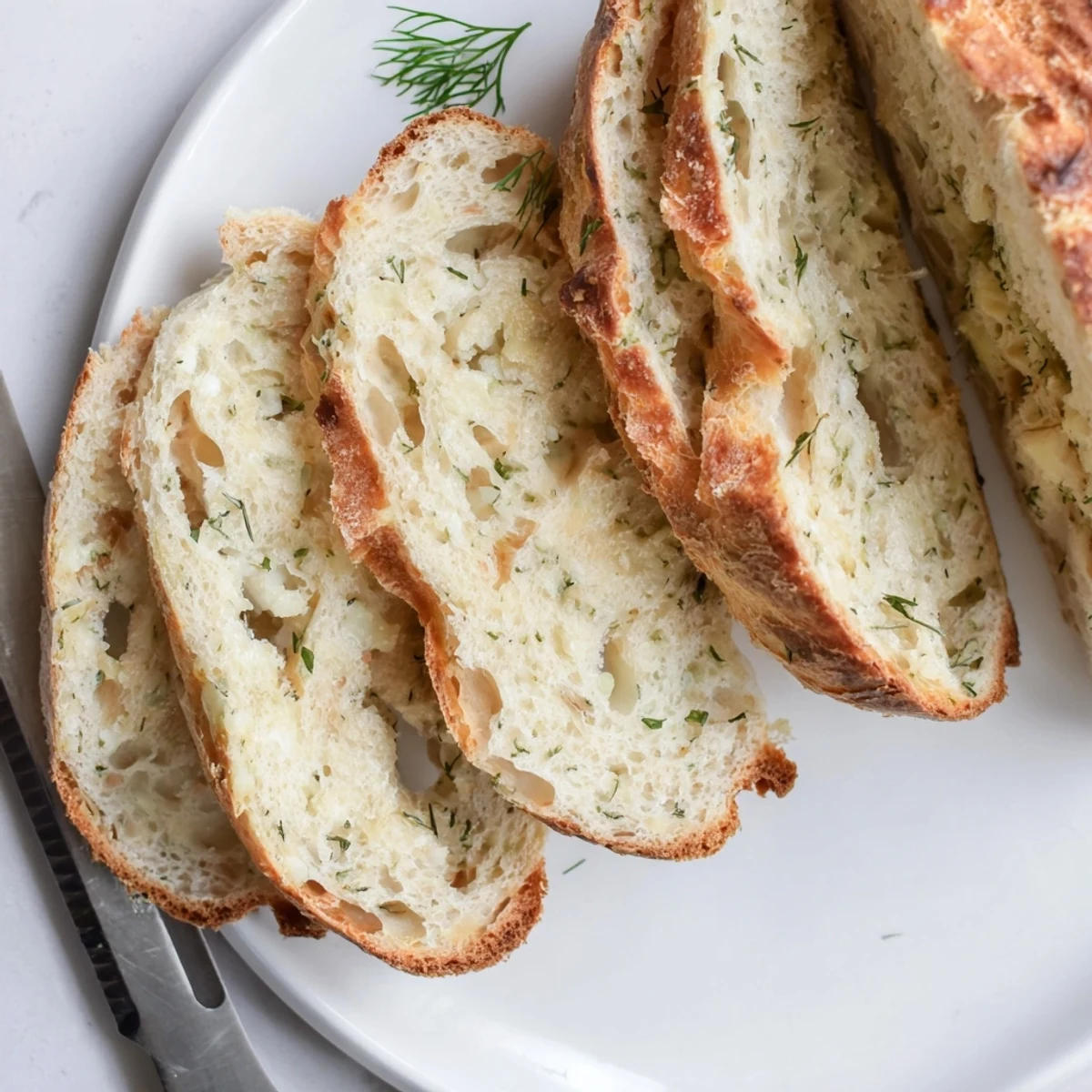
Save Craft a stunning artisan loaf without the labor of traditional kneading. This European-style bread combines coarsely grated Gouda cheese with fragrant fresh dill, creating a savory profile that elevates any meal. The overnight fermentation develops complex flavors while producing that coveted bakery-style crumb structure. Simply mix the ingredients, let the dough work its magic overnight, then bake in a preheated Dutch oven for professional results.
My tiny apartment kitchen smelled like a European bakery that first morning I made this bread. The combination of melting Gouda and fresh dill filled every corner, making it impossible to wait the full hour before slicing into it. I've never been more thankful for a recipe that requires almost zero effort but delivers maximum impression.
I served this alongside a simple tomato soup on a rainy Tuesday, and my roommate asked if I'd secretly bought it from an artisan bakery down the street. The crust crackled when we tore into it, revealing that soft interior speckled with herbs and cheese. Now it's my go-to whenever I need something comforting but dont want to spend hours standing at the counter.
Ingredients
- 3 1/4 cups bread flour: Provides the structure and chew that makes this feel like an authentic artisan loaf
- 1 1/2 tsp salt: Essential for flavor and helps control the fermentation
- 3/4 tsp instant yeast: Works steadily during the long rise for maximum flavor development
- 1 cup Gouda cheese: Grate it yourself for the best melt and those gooey cheese pockets throughout
- 3 tbsp fresh dill: Fresh dill gives you that bright aromatic punch that dried herbs just cant match
- 1/2 tsp cracked black pepper: Adds just enough subtle warmth to balance the creamy cheese
- 1 1/2 cups lukewarm water: Should feel like bath temperature, about 85 to 95 degrees Fahrenheit
Instructions
- Mix the dry ingredients:
- Whisk flour, salt, and yeast in your bowl until combined, then stir in the Gouda, dill, and pepper until the cheese is evenly distributed
- Add water and form shaggy dough:
- Pour in the lukewarm water and fold everything together with your spatula until it forms a rough, sticky mass
- Let it rise overnight:
- Cover the bowl tightly and walk away for 12 to 18 hours until the surface is dotted with bubbles and the dough has doubled
- Shape the loaf:
- Scrape the dough onto a heavily floured surface and gently fold the edges toward the center to form a round
- Second rise:
- Place the dough seam side down on parchment, cover loosely, and rest for 30 to 60 minutes while you heat your oven
- Preheat the Dutch oven:
- Put your Dutch oven and lid in a cold oven, then crank it to 450 degrees Fahrenheit for at least 30 minutes
- Bake covered:
- Carefully lift the parchment and dough into the screaming hot Dutch oven, score the top, and cover immediately
- Uncover and finish:
- After 30 minutes remove the lid and bake another 15 to 20 minutes until the crust is deeply golden
- Cool completely:
- Let the bread rest on a wire rack for a full hour to finish cooking internally before slicing
 Save
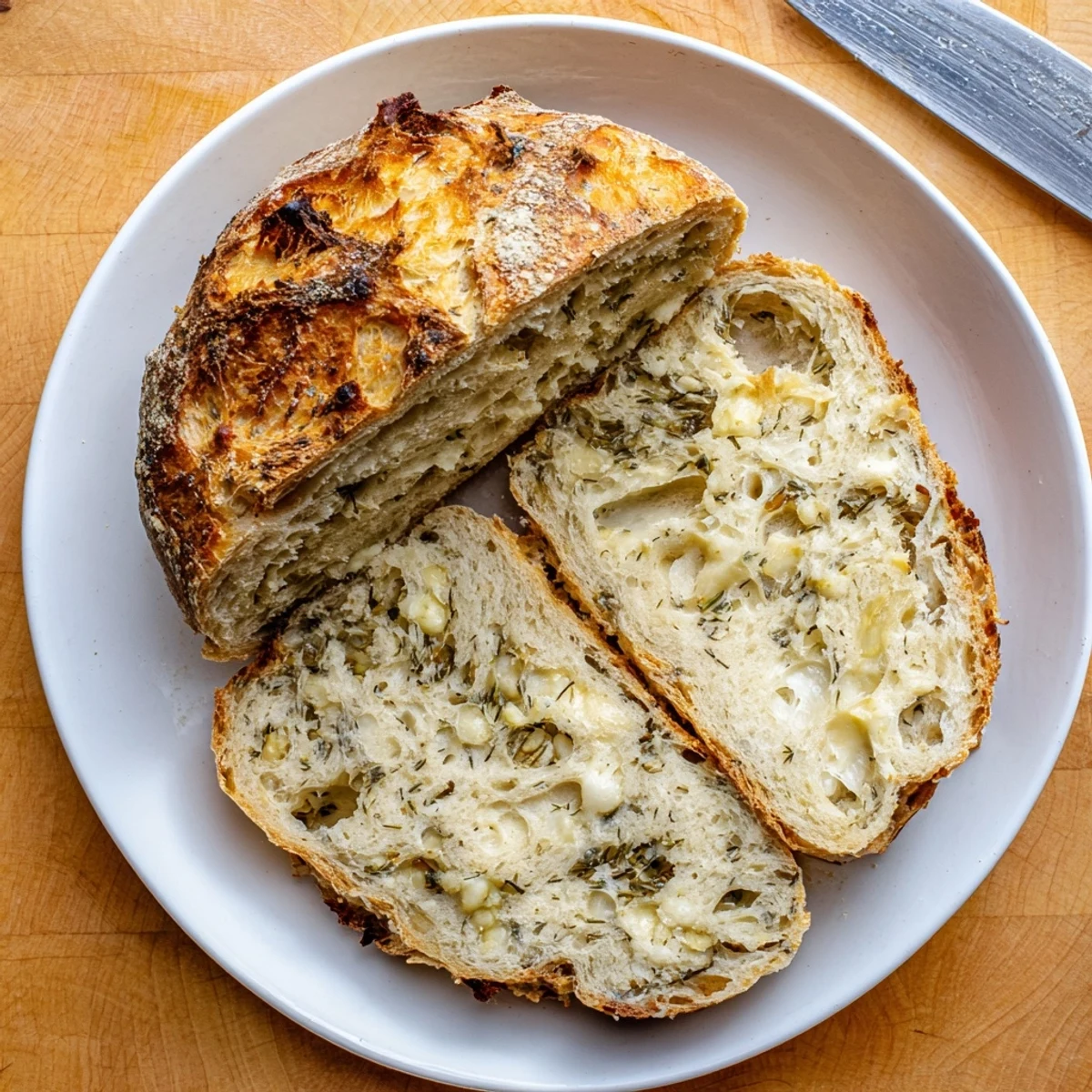
Save This bread has become my secret weapon for dinner parties, and the best part is telling people I stirred it together the night before. There's something magical about pulling that lid off and revealing a gorgeously risen loaf that smells like heaven.
Cheese Variations
I've experimented with different cheeses and found that sharp cheddar gives you a more pronounced flavor, while Emmental melts into those gorgeous cheese strings. The key is grating it yourself rather than buying pre shredded cheese, which has anti caking coatings that prevent proper melting.
Timing Your Bake
Start this in the evening after dinner, and it'll be ready to shape and bake by lunchtime the next day. I love that the long fermentation does all the work while I sleep, creating those complex flavors and that open crumb structure.
Serving Ideas
This bread makes the most incredible sandwiches, especially with leftover roast chicken and a smear of herb butter. The day after baking, toast thick slices and top with smoked salmon and cream cheese for an elevated breakfast.
- Try adding lemon zest or chopped scallions for extra brightness
- Leftovers make fantastic croutons for soups and salads
- The dough freezes well before the second rise if you want to bake fresh later
 Save
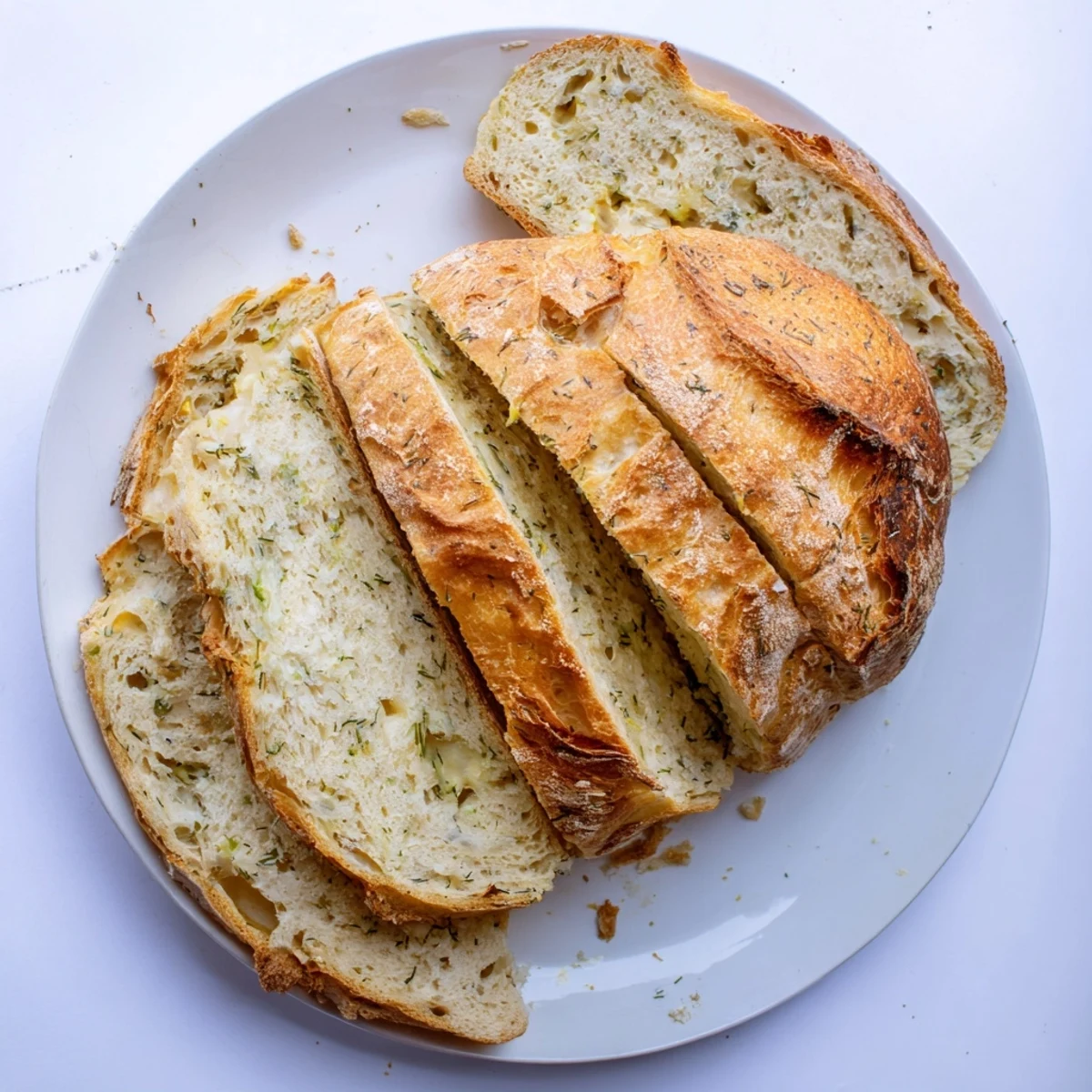
Save There's nothing quite like tearing into a warm slice of this bread, watching the steam escape, and knowing you created something this beautiful with almost no effort. Happy baking.
Questions & Answers
- → Can I use dried dill instead of fresh?
-
Yes, substitute 1 tablespoon of dried dill for the 3 tablespoons fresh. The flavor will be more concentrated, so adjust to taste. Dried herbs distribute evenly throughout the dough and still provide excellent aromatic results.
- → What cheese substitutes work well?
-
Cheddar offers a sharper flavor profile, while Emmental provides a milder, nutty taste with excellent melting properties. Both cheeses maintain the creamy texture and structural integrity needed for this loaf's texture.
- → Why bake in a Dutch oven?
-
The Dutch oven creates a mini-steam chamber that mimics professional deck ovens. This environment allows the crust to set quickly while trapping steam, resulting in that beautifully blistered, golden exterior and light, airy interior characteristic of artisan loaves.
- → Can I freeze this bread?
-
Freeze completely cooled slices in airtight bags for up to 3 months. Thaw at room temperature or refresh frozen slices in a 350°F oven for 5-10 minutes. The Gouda helps maintain moisture during freezing, preventing the bread from becoming dry or crumbly.
- → How do I know when the dough has risen enough?
-
After 12-18 hours, the dough should appear bubbly on the surface and have nearly doubled in volume. Gently press the surface with a floured finger - the impression should remain visible but slowly spring back slightly. Over-risen dough may smell slightly alcoholic or collapse when handled.
- → What pairs well with this bread?
-
Spread with herbed butter, serve alongside smoked salmon, or use for hearty sandwiches. The dill and Gouda flavors complement creamy soups, pickled vegetables, and cold cuts. The substantial texture stands up to both simple and elaborate toppings.