
 Save
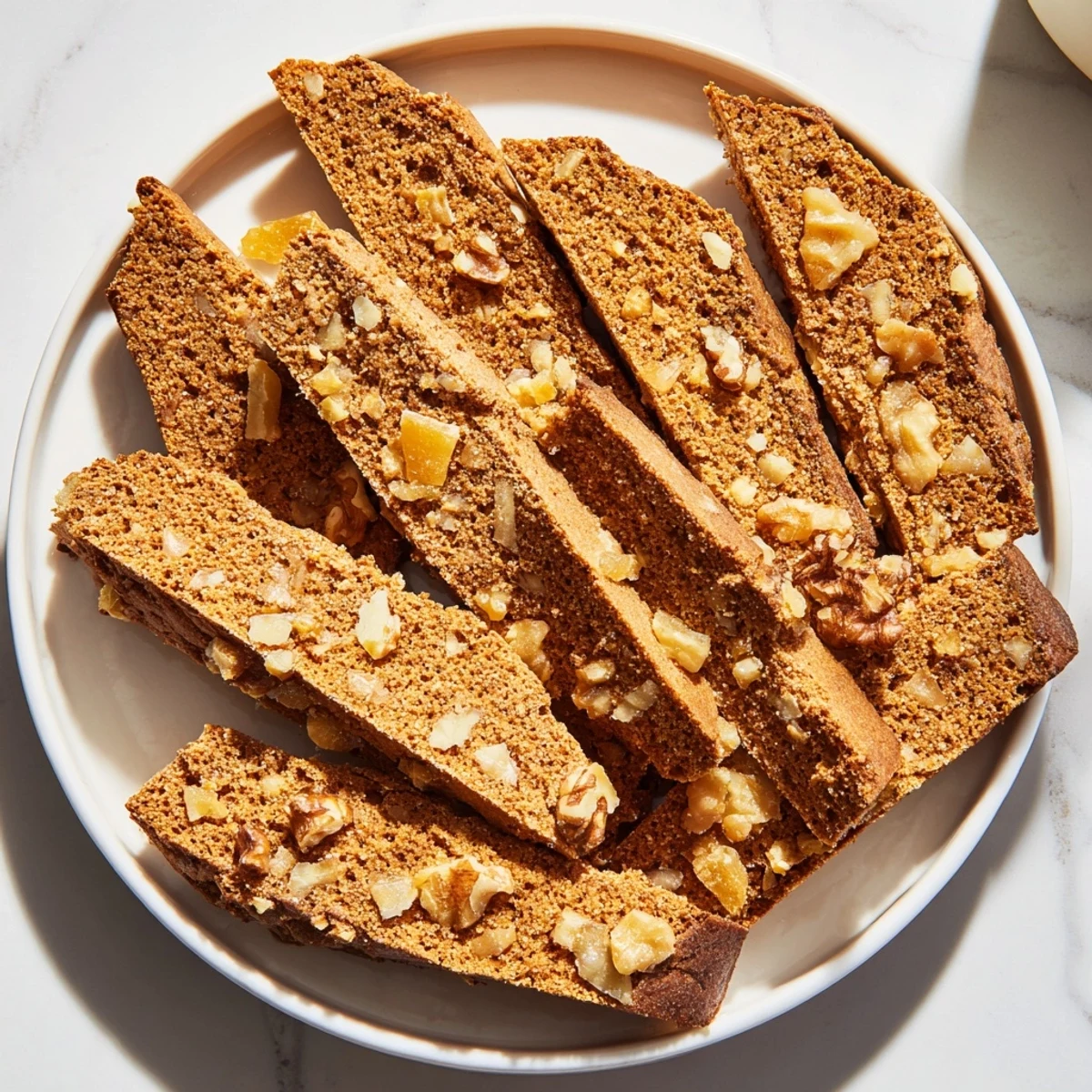
Save These crunchy gingerbread biscotti bring warm spices like ginger, cinnamon, and cloves together with a touch of molasses and nuts for a delightful texture. Perfect for pairing with your favorite warm beverage, they offer a satisfying crispness made through a two-step baking process. The mixture of aromatic spices enhances their festive character, while optional walnuts or crystallized ginger add extra bites of flavor and crunch. Easy to store, these biscotti stay fresh for weeks and make excellent gifts or cozy snacks.
My neighbor Elena taught me to make biscotti one December afternoon when her kitchen smelled like burnt ginger and regret. She'd overworked a batch and was laughing about it—said the imperfect ones tasted better anyway because she'd had to slice them thinner. I've made this gingerbread version dozens of times since, and I still think about how she made mistakes feel like discoveries.
I brought a tin of these to my book club last month, and someone dunked one in coffee and closed their eyes for a solid five seconds before saying anything. That's when you know you've done something right—when a cookie stops conversation.
Ingredients
- All-purpose flour (2 1/4 cups): The structure holder; makes sure your biscotti snap cleanly when you bite, not crumble.
- Ground ginger, cinnamon, cloves, nutmeg (mixed): Toast these spices mentally as you measure them—you want every one sharp and present, not fading into the background.
- Baking powder and baking soda (1/2 tsp each): They work together to create that ideal dense-but-not-heavy crumb.
- Butter and brown sugar (1/2 cup and 2/3 cup): Creaming these until fluffy traps air; that's what gives the logs their tender first life.
- Eggs and molasses (2 eggs, 2 tbsp): The molasses adds moisture and a deep flavor that makes people ask what's in these.
- Crystallized ginger and nuts (1/3 cup and 1/2 cup, optional): These are optional, but crystallized ginger especially makes the difference between good biscotti and ones you'll crave.
Instructions
- Warm your workspace and gather everything:
- Set your oven to 350°F and line your baking sheet with parchment. There's something steadying about having everything ready.
- Whisk the dry team:
- In a medium bowl, combine flour, both ginger and the other spices, baking powder, baking soda, and salt. This is not the time to rush; whisking distributes the leavening evenly so your logs rise in the first bake.
- Cream butter and sugar until it's almost pale:
- In a large bowl, beat the softened butter with brown sugar for a few minutes until it looks fluffy and lighter. This step matters more than you'd think—it's what keeps the first bake soft.
- Introduce the eggs slowly:
- Add one egg at a time, beating well between additions. Then add molasses and vanilla; mix until it all comes together into a cohesive wet mixture.
- Marry wet and dry:
- Gradually add the dry ingredients to the wet ones, stirring just until no flour streaks remain. Overworking now makes tough cookies later. Fold in nuts and crystallized ginger if you're using them.
- Shape two logs:
- Flour your hands and divide the dough in half. Shape each piece into a log about 12 inches long and 2 inches wide, place both on the prepared sheet, and flatten them slightly. They'll look rustic and unrefined right now, and that's exactly right.
- First bake until they're firm and golden:
- Bake for 25 to 28 minutes; they should feel firm to the touch and smell absolutely incredible. Let them cool on the baking sheet for 10 minutes—this brief rest is essential for slicing.
- Slice at an angle with a serrated knife:
- This is the satisfying part: lower the oven to 325°F, then carefully slice each log diagonally into 1/2-inch pieces. You're aiming for that classic biscotti lean; serrated knives won't crush them.
- Second bake to golden crispness:
- Arrange slices cut side down on the baking sheet and bake for 10 minutes, then flip each one and bake another 10 to 12 minutes. You're looking for golden edges and a dry interior—this is what makes them last.
- Cool completely before storing:
- Spread them on a wire rack; this lets air circulate and finishes the crisping process. Patience here prevents soft biscotti.
 Save
Save My daughter dunks hers in hot chocolate instead of coffee, and somehow that small choice made me realize I was overthinking the whole thing. These cookies exist to be dipped, broken apart, shared, and experienced however someone wants to experience them.
The Magic of Double-Baking
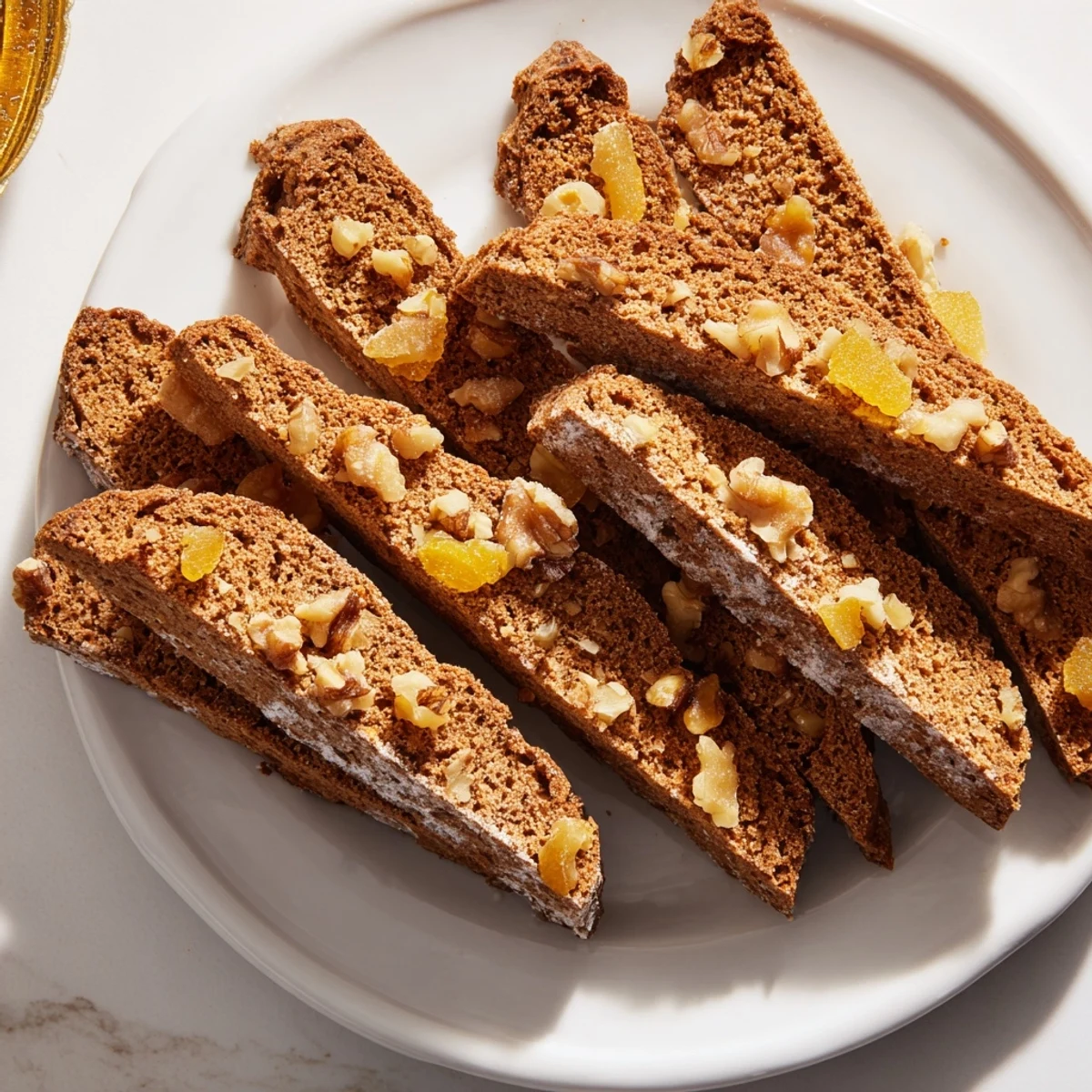
The first bake develops flavor and structure, giving the dough its tender crumb. The second bake—after slicing—removes moisture and creates that audible snap. It's one of those cooking techniques that seems complicated until you understand it's really just patience and heat working together.
Spice Balancing and Personal Taste
Ginger leads the flavor profile, but cinnamon provides warmth and cloves add a subtle bite. Some people reduce the cloves slightly, and that's not wrong—it's tasting as you go and making biscotti your own. The molasses deepens everything and keeps the spices from becoming sharp or aggressive.
Storing and Gifting These Cookies
Biscotti keep beautifully in an airtight container, which is why they became the default holiday gift in Italian households. There's something generous about offering something that lasts, something someone can ration out over two weeks of morning coffee.
- Use a tin with a tight seal if you're storing for more than a few days.
- If they soften slightly (humidity happens), recrisp them in a 275°F oven for 5 minutes.
- Wrap them individually in parchment if you're giving them away; it feels intentional and protects them during travel.
 Save
Save These biscotti are meant for long, slow moments with coffee or tea, not rushed eating. They're a reminder that the best recipes are the ones we make again and again.
Questions & Answers
- → What spices give the biscotti their flavor?
-
The biscotti feature ground ginger, cinnamon, cloves, and nutmeg to create a warm, spiced profile.
- → Can nuts be omitted or substituted?
-
Yes, nuts are optional. You can omit them entirely or substitute walnuts with pecans or almonds.
- → How is the biscotti texture achieved?
-
They are baked twice: first as logs to set the dough, then sliced and baked again for a crisp, crunchy texture.
- → What is the best way to store the biscotti?
-
Store biscotti in an airtight container at room temperature to keep them fresh for up to two weeks.
- → Are the biscotti suitable for gifting?
-
Yes, their festive spices and crisp texture make them a popular treat to gift during the holidays.