
 Save
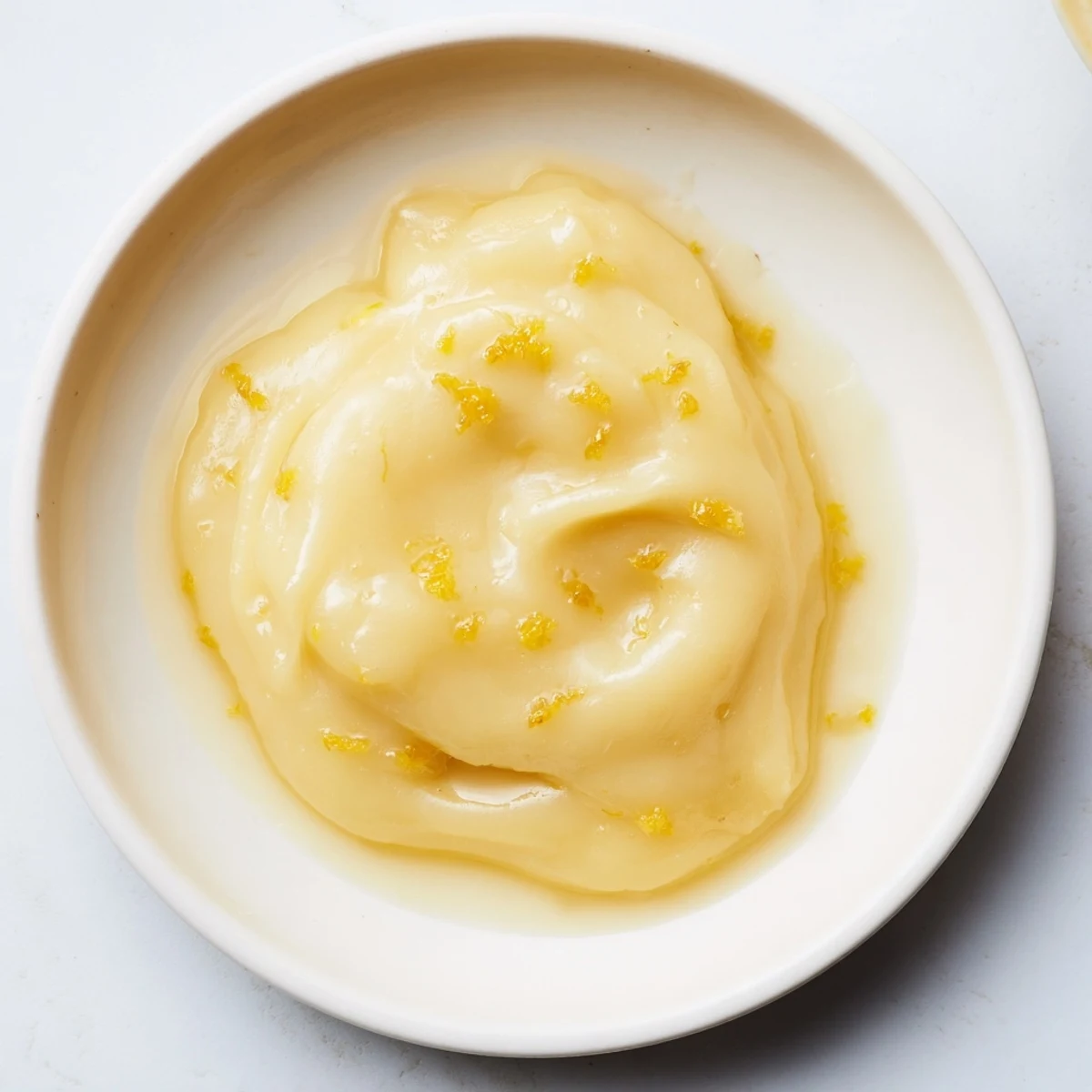
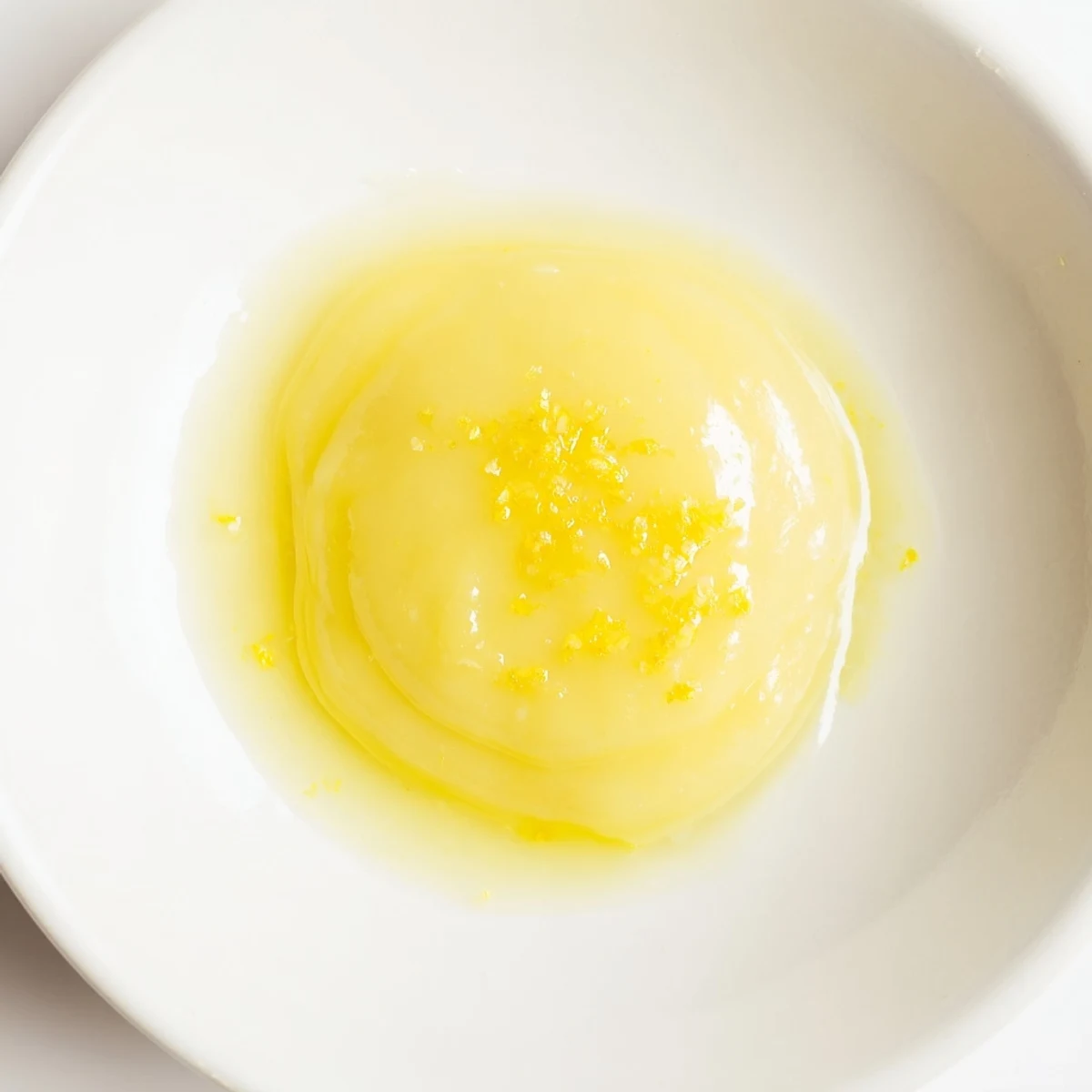
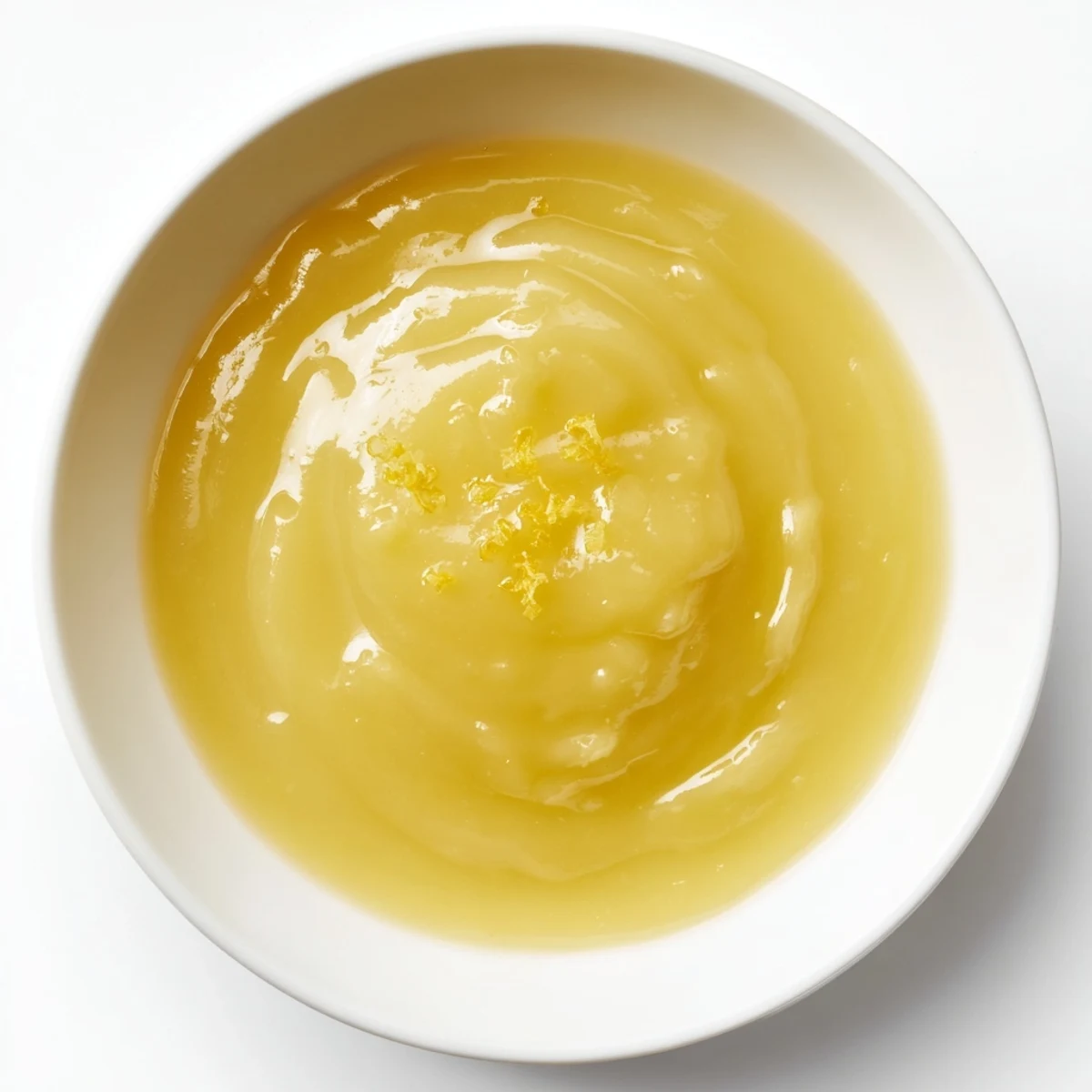
Save This lemon curd offers a silky texture balanced by citrusy tang and natural sweetness. Made by gently cooking lemon juice, zest, eggs, sugar, and butter over a double boiler, it thickens to a creamy finish ideal for a variety of uses including tart fillings, cake layers, or a savory-sweet spread. The process involves constant whisking to avoid curdling, followed by straining for smoothness and chilling to set the custard-like consistency. Variations include swapping lemon for lime or orange and adjusting sweetness for personal taste. Perfect for those seeking a fresh, elegant citrus component in their desserts or baked items.
I discovered lemon curd quite by accident one rainy afternoon in my kitchen, when I was determined to use up a bowl of beautiful lemons from the farmers market. A friend had mentioned that homemade lemon curd was nothing like the jarred versions, and I was skeptical until I tasted that first spoonful—silky, intensely lemony, with a subtle sweetness that made me close my eyes. That moment changed how I bake. Now, lemon curd has become my secret weapon, the filling that transforms ordinary tarts into something memorable, the spread that makes a simple scone feel like a celebration.
I'll never forget the first time I made this curd for my sister's birthday cake. She bit into that slice, and the way her face lit up when she tasted the brightness of fresh lemon cutting through the sweetness told me everything. That's when I knew this recipe was special—not just technically sound, but something that brings genuine joy to people you care about.
Ingredients
- 3 large lemons (zested and juiced; about 1 tablespoon zest and ½ cup juice): Fresh lemon is everything here. The zest gives you that bright, aromatic punch, while the juice provides the tangy backbone. I learned to zest before juicing—it's so much easier when the lemon is still whole. Room-temperature lemons yield more juice than cold ones, so let them sit out for a bit.
- 4 tablespoons (60 g) unsalted butter, cut into cubes: Cold butter whisked in at the end creates that silky, glossy texture that makes lemon curd special. Cutting it into cubes helps it melt evenly and incorporate smoothly.
- 1 cup (200 g) granulated sugar: This sweetens the curd and also helps stabilize the eggs during cooking. Don't skip the measuring—too little and the curd tastes too tart, too much and you lose that signature brightness.
- 3 large eggs and 1 large egg yolk: The eggs are what thicken everything into that luxurious, custard-like consistency. The extra yolk adds richness and helps prevent any graininess.
- Pinch of fine sea salt: A tiny whisper of salt that you won't taste but that deepens all the other flavors.
Instructions
- Combine your flavor builders:
- In a heatproof bowl, whisk together the lemon zest, lemon juice, sugar, eggs, egg yolk, and salt. Take your time whisking until everything is smooth and completely combined—you want no streaks of yolk visible. This is where the flavor foundations come together.
- Create your double boiler and cook gently:
- Set your bowl over a saucepan of gently simmering water. The key word here is gently—you're looking for a slow, steady heat, not a rolling boil. Whisk constantly and patiently. Feel the mixture gradually thicken under your whisk as it warms. After about 8–10 minutes, when it coats the back of a spoon thickly enough that you can draw a line through it with your finger, you're done. This is the moment where science and care come together.
- Finish with butter for silk:
- Remove the bowl from heat immediately. While the mixture is still warm, whisk in your cold butter cubes a few at a time. Watch as they melt into something glossy and impossibly smooth. This is the secret to restaurant-quality lemon curd.
- Strain for perfection:
- Pour the curd through a fine-mesh sieve into a clean bowl. This removes any bits of cooked egg white that might have formed and any large pieces of zest, leaving you with pure, silky perfection. It feels luxurious to do this step.
- Protect and chill:
- Press plastic wrap directly onto the surface of the curd while it's still warm. This prevents a skin from forming as it cools. Let it come to room temperature, then refrigerate for at least 2 hours until it thickens to a perfect spreading consistency.
 Save
Save There's something almost meditative about standing over a saucepan, whisking this filling slowly and carefully. My neighbor used to watch me through the kitchen window, and one day she asked what smelled so amazing. When I gave her a jar of homemade lemon curd, she cried. She told me it tasted like comfort and sunshine.
Flavor Variations You Can Explore
While classic lemon is absolutely perfect, I've had wonderful discoveries experimenting with other citrus. Lime curd has a sharper, more tropical edge that's stunning in desserts with coconut. Orange curd is warmer and slightly less tart, beautiful in chocolate tarts or paired with dark cakes. I've even done a half-lemon, half-blood-orange combination that surprised everyone. The ratio stays exactly the same—just replace the juice and zest with whatever citrus calls to you.
Beyond Tarts: Where This Filling Shines
Yes, lemon curd is a classic tart filling, but that's only the beginning of its story. Spread it between sponge cake layers for brightness that cuts through richness. Dollop it on scones with clotted cream for an afternoon that feels like England. Swirl it into vanilla cheesecake for tang that makes every bite more interesting. I've even stirred it into Greek yogurt with granola for a breakfast that tastes like dessert. Once you have a jar in your fridge, you'll keep finding reasons to use it.
- Layer it in parfaits with whipped cream and berries for a dessert that's elegant but effortless
- Spoon it over vanilla ice cream for an instant upgrade that tastes fancy but took no time
- Mix it into buttercream frosting to add brightness and depth to any cake
Storage and Make-Ahead Magic
One of my favorite things about lemon curd is how well it keeps. Make a double batch when you have time, and you'll have this treasure waiting in your fridge for up to a week. That means a tart comes together in minutes, or you have an instant fancy dessert whenever friends drop by. I've found that covering it with plastic wrap directly on the surface keeps it fresher longer—it prevents that oxidation that can dull the bright color over time.
 Save
Save Every time I make lemon curd, I'm reminded why simple, honest recipes matter most. There's no pretense here, just eggs, butter, lemon, and sugar transforming into something that tastes far greater than the sum of its parts.
Questions & Answers
- → How can I ensure the curd is smooth without lumps?
-
Constant whisking over gentle heat prevents curdling, and straining the curd through a fine mesh sieve removes any cooked egg bits for a silky finish.
- → What is the best method to cook lemon curd evenly?
-
Using a double boiler setup helps cook the mixture gently and evenly, preventing overheating or curdling of eggs.
- → Can I use other citrus fruits instead of lemon?
-
Yes, lime or orange can replace lemon to create varying citrus flavors while maintaining the curd's texture.
- → How do I store the lemon curd for freshness?
-
Store in an airtight container in the refrigerator and use within one week for optimal flavor and safety.
- → Is it possible to make a dairy-free version of this curd?
-
Yes, substitute plant-based butter to maintain creaminess while keeping it dairy-free.
- → What tools are essential for preparing lemon curd?
-
A zester, citrus juicer, whisk, heatproof bowl for double boiling, fine mesh sieve, and plastic wrap are recommended.