
 Save
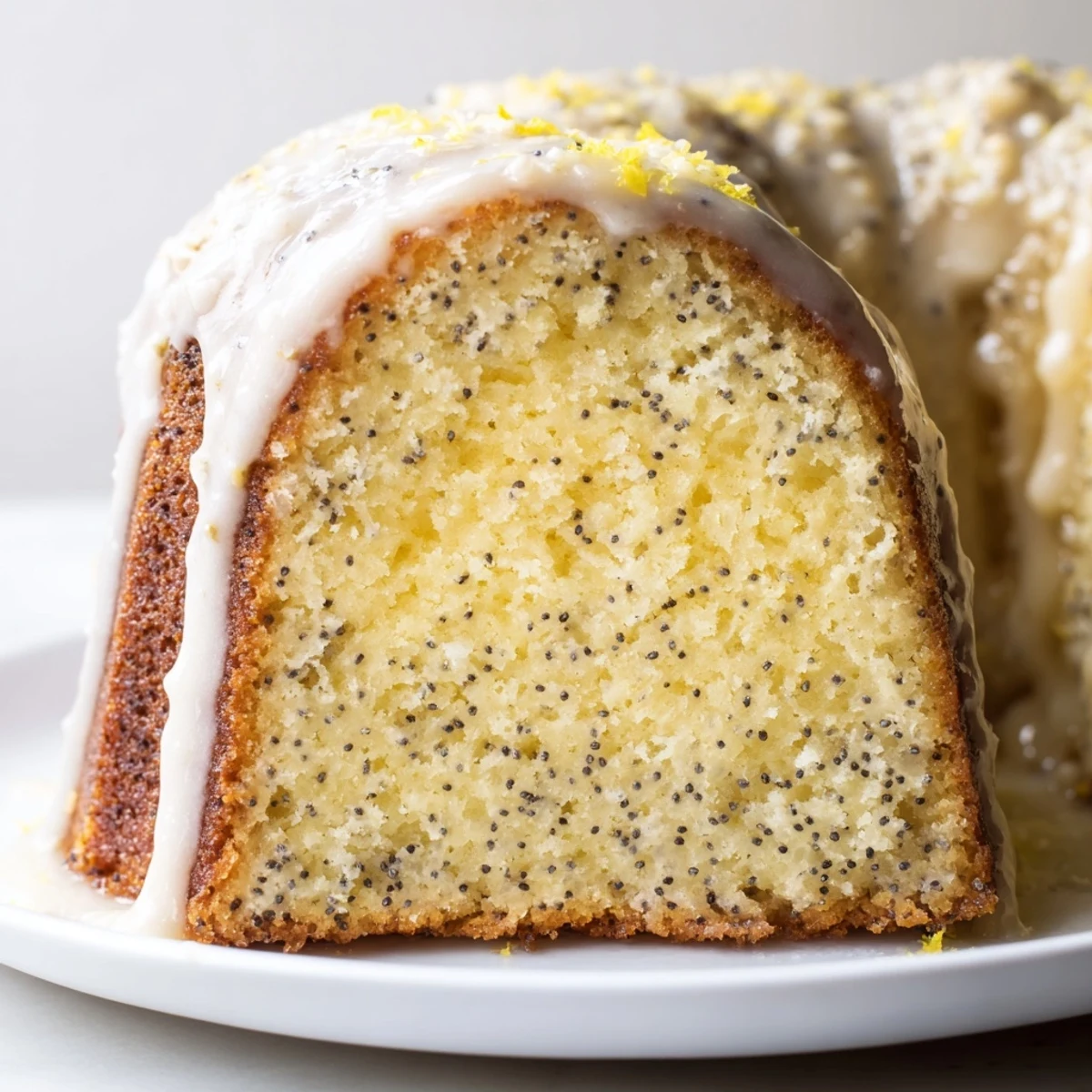
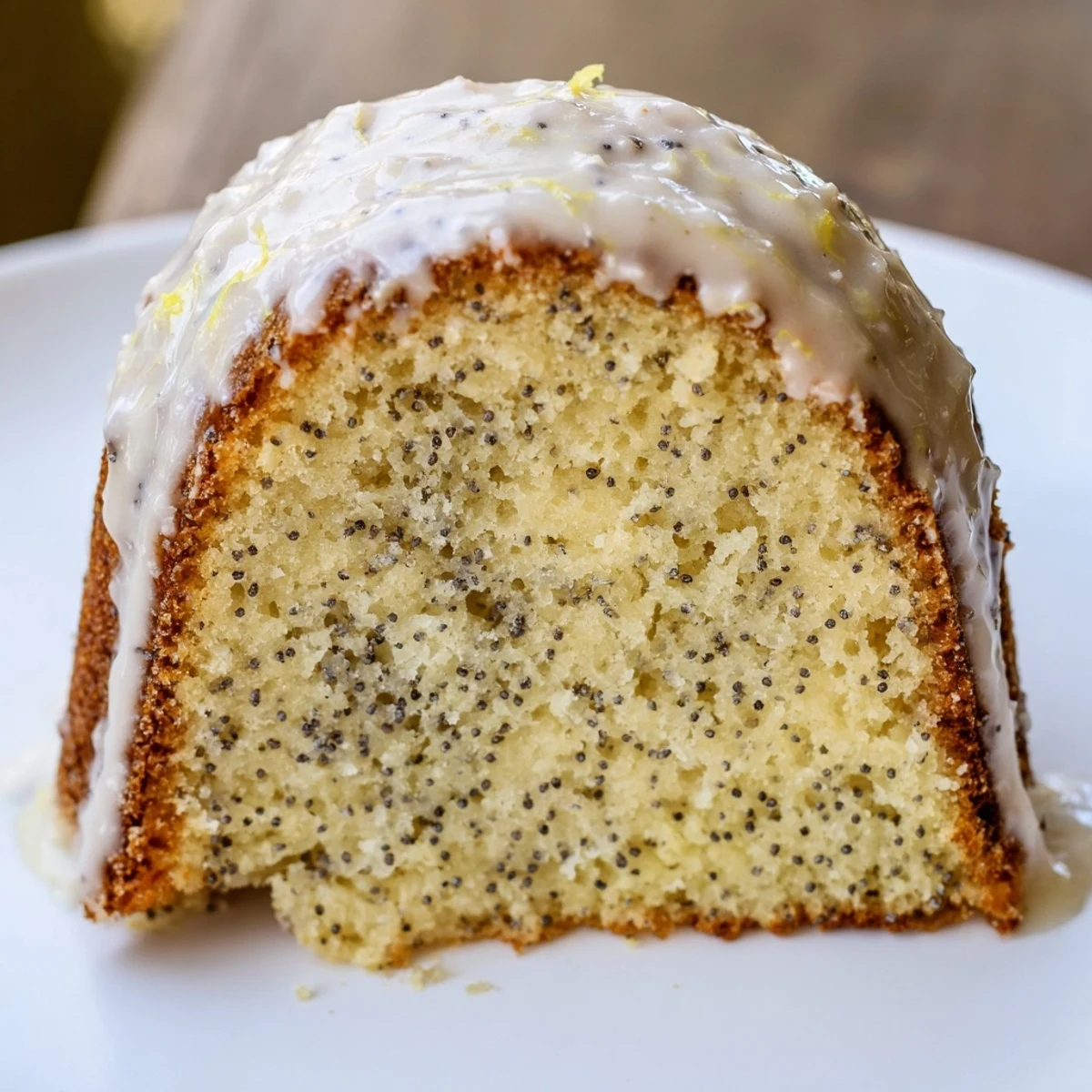
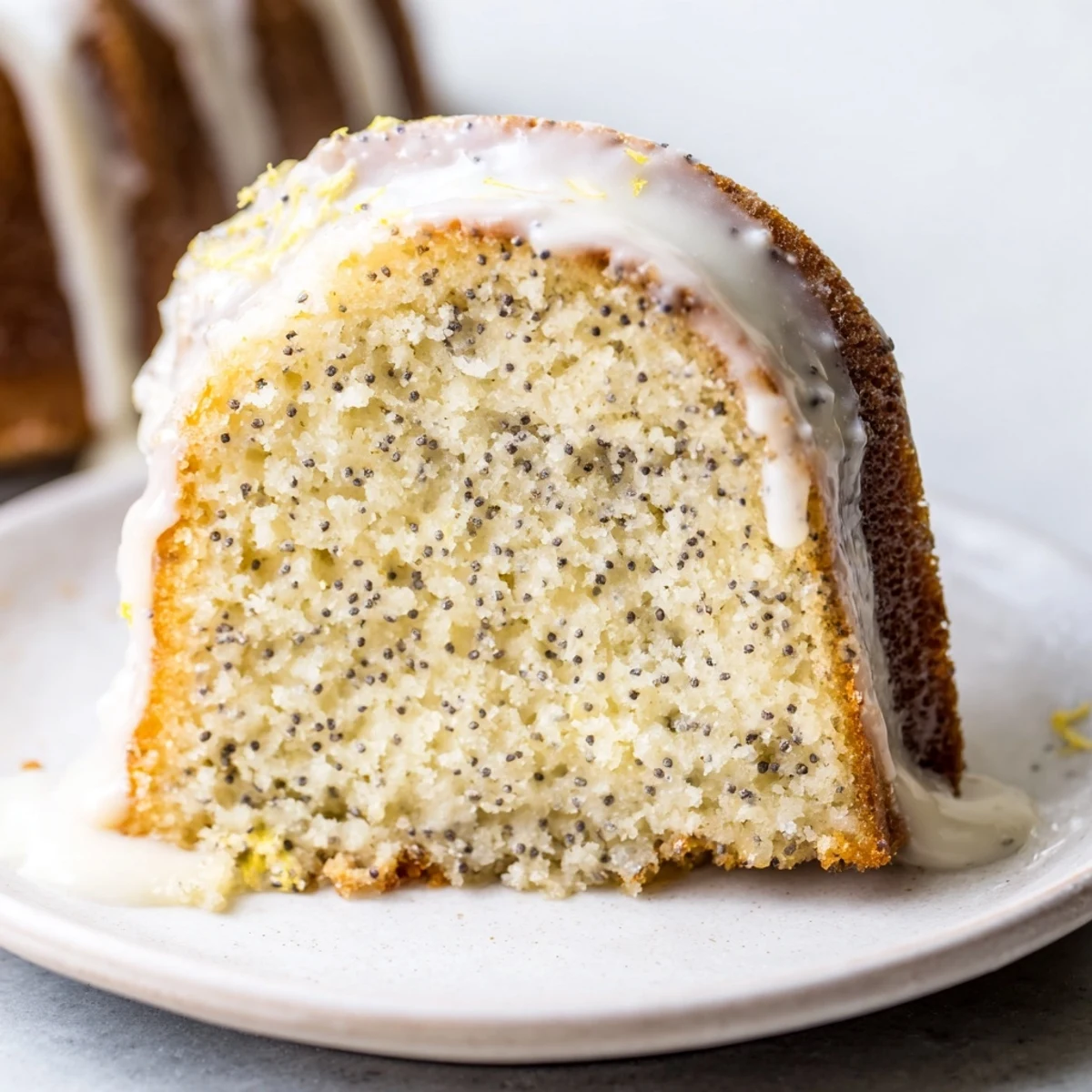
Save This Bundt cake combines bright lemon zest with the subtle crunch of poppy seeds for a moist, tender crumb. The batter blends all-purpose flour with baking powder and soda, creating a fluffy texture accented by a fresh lemon glaze. It's ideal for brunch or a light dessert, offering refreshing citrus notes and a delightful finish. Baking requires moderate preparation and about an hour, with tips to enhance lemon flavor or lighten texture.
There's something about the smell of lemon zest hitting hot butter that makes you pause mid-conversation. I discovered this cake years ago on a Tuesday morning when my neighbor dropped off her famous Bundt cake and I couldn't stop asking questions about why it stayed so tender. She laughed and said the secret was respect for the ingredients and not overthinking the mixing. That conversation led me here, to a recipe that's become my go-to for those moments when you want something elegant but still deeply comforting.
I baked this for my sister's book club last May, and three people asked for the recipe before they'd even finished their first slice. The way the glaze pooled into those Bundt ridges felt like it was showing off a little, and I loved that about it. It became the cake that people texted me about weeks later, saying they'd finally tried making it themselves.
Ingredients
- All-purpose flour: Two and three-quarters cups is the foundation; I've learned that scooping and leveling matters more than you'd think.
- Baking powder and baking soda: One and a half teaspoons and half a teaspoon respectively create the tender crumb that makes this cake special.
- Fine sea salt: Just half a teaspoon keeps the sweetness grounded and highlights the lemon.
- Poppy seeds: Three tablespoons might seem modest, but they deliver surprising texture and visual interest throughout.
- Unsalted butter: One cup softened means you're starting from a place of control; cold butter will fight you.
- Granulated sugar: Two cups creates both sweetness and that light, fluffy crumb structure when creamed properly.
- Eggs: Four large eggs at room temperature emulsify smoothly; cold eggs are the enemy of texture.
- Lemon zest: One tablespoon from about two lemons gives you fresh brightness without any bitterness from the white pith.
- Fresh lemon juice: A quarter cup adds tang and moisture in ways bottled juice never quite captures.
- Whole milk: One cup at room temperature helps the batter come together evenly.
- Pure vanilla extract: One teaspoon rounds out the lemon without competing with it.
- Powdered sugar: One and a half cups sifted for the glaze ensures smoothness without lumps.
- Lemon juice for glaze: Two to three tablespoons depending on how tangy you like your finish.
- Lemon zest for glaze: One teaspoon adds that final flourish of brightness.
Instructions
- Prepare your pan with care:
- Preheat the oven to 350°F and grease your Bundt pan generously, working the butter or cooking spray into every ridge and corner. This is where patience pays off because a stuck cake is heartbreaking.
- Build your dry mixture:
- Whisk together the flour, baking powder, baking soda, salt, and poppy seeds in a medium bowl, making sure everything is evenly distributed. This step prevents lumps and ensures the poppy seeds aren't clumped in one spot.
- Cream butter and sugar until fluffy:
- Beat them together on medium speed for about three to four minutes until the mixture looks pale and light, almost like fluffy clouds. This incorporates air and sets you up for a tender cake.
- Add eggs one at a time with patience:
- Drop each egg in separately and beat well before adding the next; this helps them emulsify properly. Mix in the lemon zest and vanilla until everything smells incredible.
- Prepare your milk and lemon combination:
- Combine the lemon juice and milk in a measuring cup and let it sit for a moment; it'll look slightly curdled, which is exactly what you want.
- Alternate wet and dry gently:
- With the mixer on low speed, add a third of the flour mixture, then half the milk mixture, then another third of flour, then the remaining milk, then the final flour. Stop mixing the moment everything comes together; overmixing toughens the cake.
- Pour and smooth with intention:
- Spread the batter evenly into your prepared pan and run a spatula across the top to create an even surface. This helps the cake bake uniformly.
- Bake until golden and set:
- Bake for forty-five to fifty-five minutes until a skewer inserted into the center comes out clean with maybe a few moist crumbs. The top should be a light golden brown.
- Cool with strategic patience:
- Let the cake rest in the pan for fifteen minutes to set slightly, then carefully invert it onto a wire rack and let it cool completely before glazing. This patience prevents crumbles.
- Make and apply the glaze:
- Whisk the powdered sugar, lemon juice, and lemon zest together until smooth, then drizzle it over the cooled cake in whatever pattern feels right. Let it set for a few minutes before slicing.
 Save
Save I'll never forget the first time someone told me this cake reminded them of sunshine on a plate. That comment stuck with me because it captured something I'd been chasing in the kitchen without words for it. It's the moment when food stops being about technique and becomes about creating small moments of joy.
The Secret to a Tender Crumb
The difference between a dense cake and one that feels light is often in the creaming step and knowing when to stop. Butter and sugar creamed for three to four minutes incorporate air that bakes into tiny pockets of softness. The moment you see that pale, fluffy mixture, you know you're on the right track, and that's when the magic starts.
Lemon Variations You Can Explore
Once you nail this recipe, you'll want to experiment with ways to push the lemon flavor even further. Brushing the warm cake with extra lemon juice before glazing adds a subtle tang that some people crave, and Greek yogurt substituted for half the butter creates a slightly tangier texture that feels almost cloud-like. The baseline recipe is forgiving enough to play with, which is one reason I keep coming back to it.
Storing and Serving Your Cake
This cake actually improves slightly as it sits, with the glaze setting firmer and the crumb becoming even more tender. Cover it at room temperature for up to three days, and it pairs beautifully with Earl Grey tea or a sparkling wine if you're feeling celebratory. It's equally at home at a formal brunch or wrapped in parchment as a surprise for someone you care about.
- Slice with a warm, slightly damp knife for cleaner cuts and less crumbling.
- If the glaze sets too thick, warm it gently and re-drizzle for a smoother finish.
- This cake freezes well for up to two months if wrapped properly, so you can make it ahead for unexpected company.
 Save
Save This cake has become my answer to so many occasions, and I hope it finds its way into your kitchen the same way it found its way into mine. There's real joy in sharing something this bright and beautiful with the people around you.
Questions & Answers
- → What gives this cake its lemon flavor?
-
Freshly grated lemon zest and lemon juice are incorporated into both the batter and glaze, providing a bright citrus aroma and tang.
- → How do poppy seeds affect the texture?
-
Poppy seeds add a pleasant crunchy contrast to the moist and tender crumb of the cake.
- → Can I use a different pan size?
-
A 10–12-cup Bundt pan is recommended to ensure even baking and proper shape, but adjust baking times slightly if volume changes.
- → What is the best way to apply the glaze?
-
Pour the smooth lemon glaze over the cooled cake and let it set to add a zesty finish without sogginess.
- → How can I make the cake lighter?
-
Substitute half of the butter with Greek yogurt to achieve a lighter texture while maintaining moisture.