
 Save
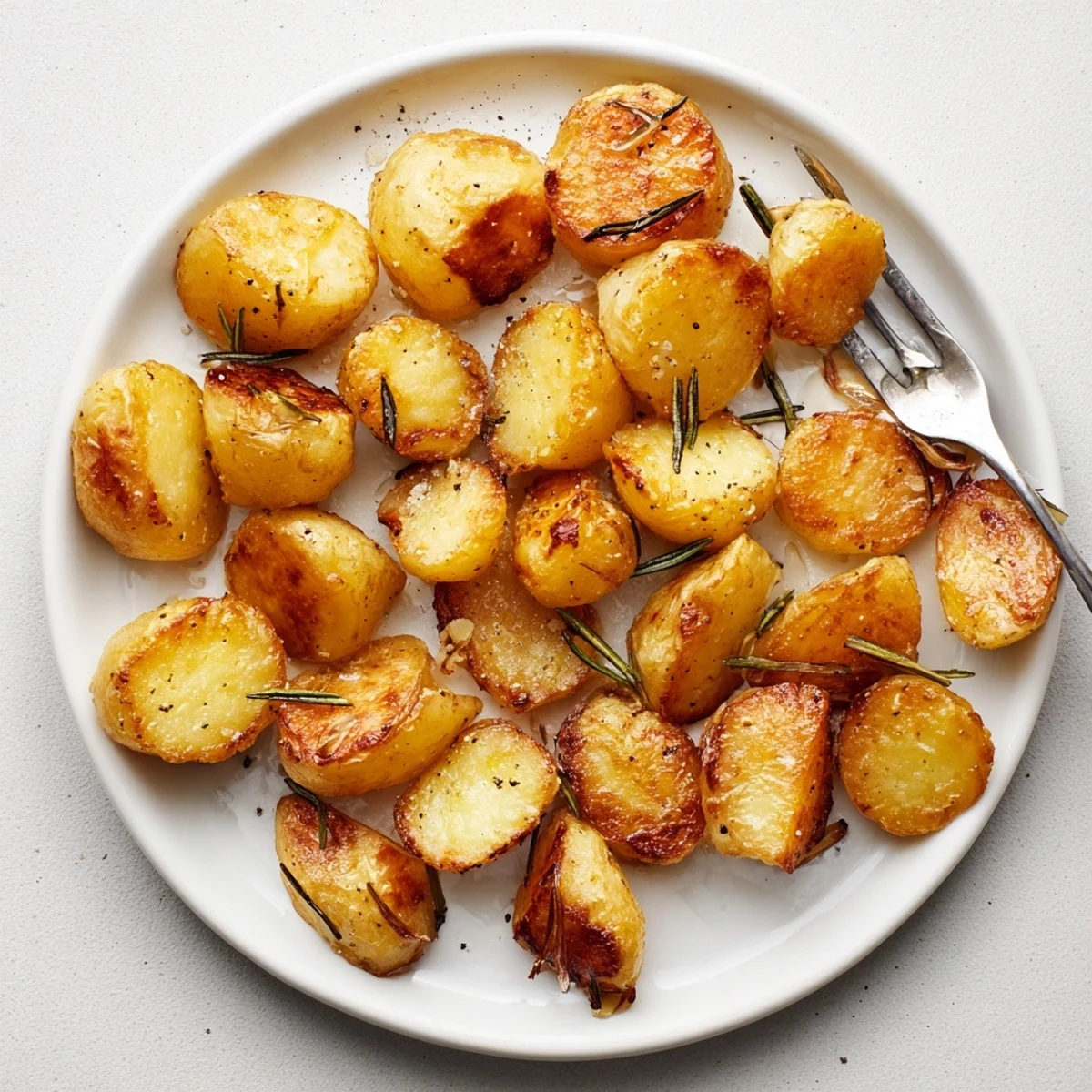
Save Create the ultimate roast potatoes with golden crispy skins and light fluffy interiors. This traditional British method uses parboiling and roughening techniques to maximize surface area for exceptional crunch.
The hot fat roasting process ensures even browning and that satisfying crunch that makes these potatoes irresistible. Duck or goose fat delivers premium results, though quality vegetable oil works beautifully for vegetarian versions.
Ready in just over an hour, these versatile potatoes complement everything from holiday roasts to weeknight grilled meats.
My sister burst into my kitchen last Sunday, demanding I reveal what I'd done differently with the potatoes. She'd taken three servings and was already plotting seconds. The truth was, I'd finally stopped rushing the boiling step and learned to let them steam-dry properly in the colander, watching that cloudy water drip away for exactly two minutes.
Last Christmas, my usually quiet uncle actually paused his story about the garden to ask what made these potatoes so extraordinary. I'd used duck fat for the first time that year, and the entire family kept reaching across the table for just one more piece. Now it's not a proper holiday dinner without them.
Ingredients
- Floury potatoes (1.2 kg): Maris Piper, Yukon Gold, or Russet varieties have the perfect starch content for that fluffy interior we're after
- Sea salt (1 tbsp): Adding this to the boiling water seasons the potatoes all the way through, not just on the surface
- Hot fat (80 ml): Duck or goose fat creates the crispiest exterior, though vegetable oil keeps it vegetarian-friendly
- Fine sea salt (1 tsp): Sprinkled halfway through roasting to encourage that golden crust without burning
- Freshly ground black pepper (½ tsp): Freshly cracked pepper adds aromatic warmth that pre-ground lacks
- Garlic cloves and fresh herbs (optional): These infuse the fat with incredible flavor while roasting alongside the potatoes
Instructions
- Get your oven roaring:
- Preheat to 220°C (425°F) because we need intense heat from the start for proper crisping
- Parboil the potatoes:
- Cover peeled chunks with cold water, add that tablespoon of salt, and simmer 8-10 minutes until edges are just tender
- Create rough surfaces:
- Drain well, let them steam-dry for 2 minutes, then shake the colander vigorously to roughen up the exteriors
- Heat your fat until shimmering:
- Place your roasting pan with oil or fat in the hot oven for 5 minutes until it's dangerously hot
- Coat and season:
- Carefully add potatoes to the hot fat, turn to coat evenly, and tuck in any garlic or herbs you're using
- Roast and turn:
- Cook for 20 minutes, flip with a spatula, sprinkle with salt and pepper, then roast another 25-30 minutes until golden
- Final touch:
- Let them drain briefly on kitchen paper if you've used excess fat, then serve immediately while they're still singing with heat
 Save
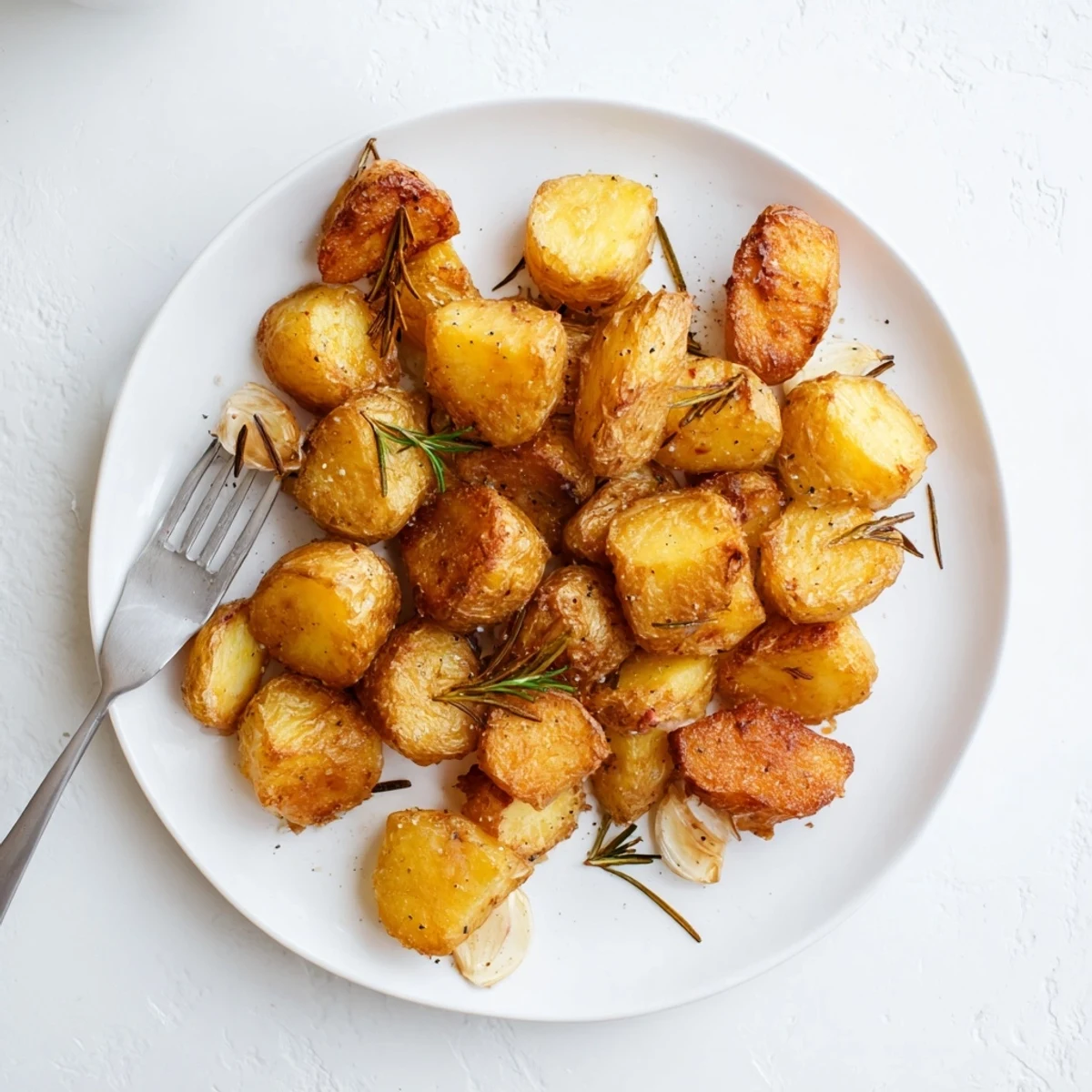
Save There's something deeply satisfying about hearing that first spoonful being served, the distinctive crackle as the crust breaks under the fork. These potatoes have become the dish my friends specifically request when they're having a rough week and need proper comfort food.
Choosing The Right Fat
I've experimented extensively with different fats over the years. Duck fat produces restaurant-quality results with an incredibly savory depth, while goose fat offers a slightly sweeter finish. For my vegetarian friends, I've found that a high-quality vegetable oil works beautifully, though you might want to add a sprig of rosemary to compensate for the missing animal fat richness.
Timing Your Roast
Start these potatoes about an hour before you plan to serve the main course. They hold their heat surprisingly well, so it's better to have them resting in a warm oven while you finish everything else. I learned this the hard way after serving an overcooked roast chicken while waiting for potatoes to finish.
Flavor Variations
Sometimes I'll toss the finished potatoes with smoked paprika for a Spanish-inspired twist. Other times, grated Parmesan gets sprinkled over them during the last 5 minutes of roasting, creating these incredible salty cheese crusts that everyone fights over.
- Alex, my neighbor, swears by adding whole garlic bulbs to the roasting pan
- Lemon zest and fresh thyme work beautifully for spring dinners
- A tablespoon of garam masala in the last 10 minutes creates an unexpected spicy finish
 Save
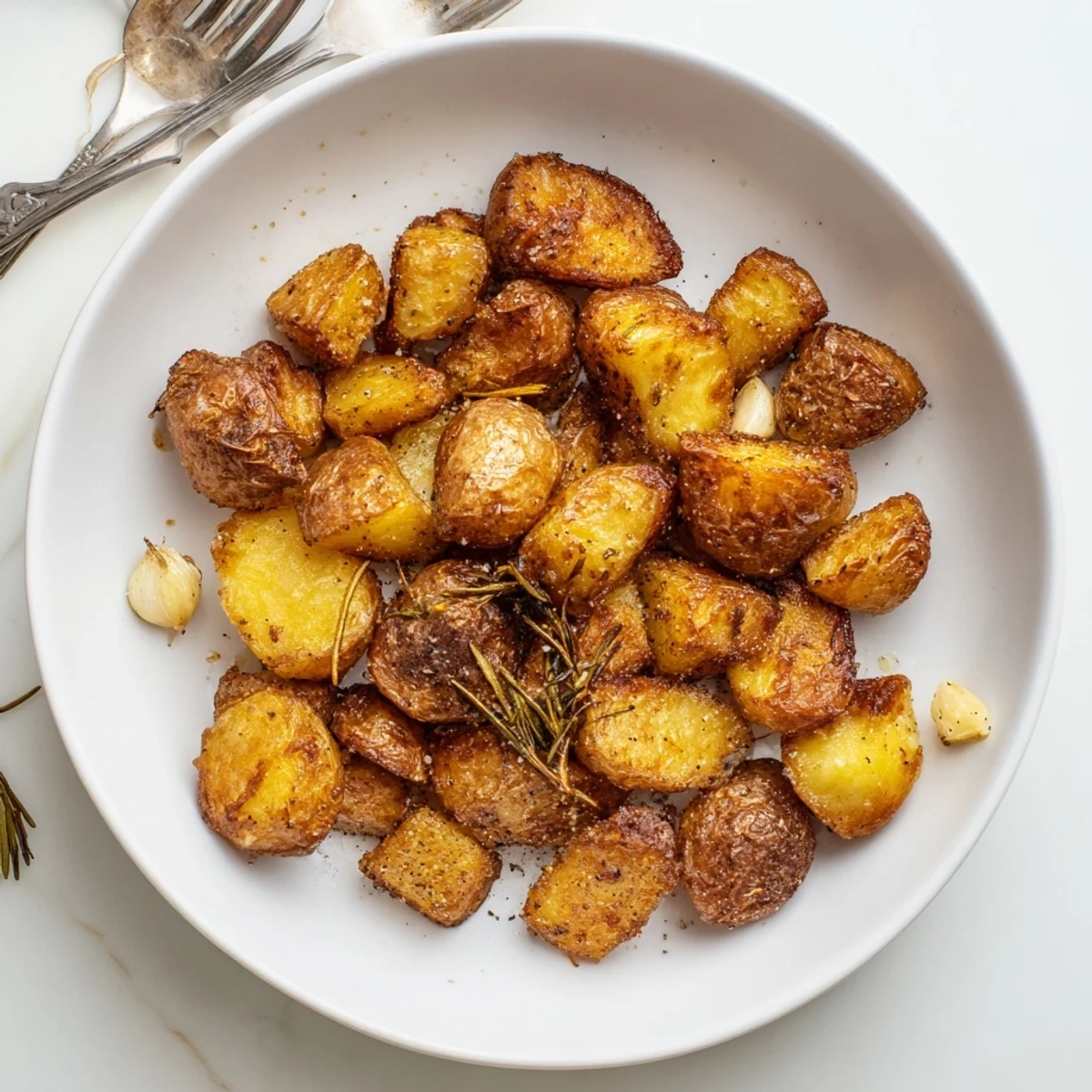
Save There's honestly nothing quite like pulling a properly roasted potato from the pan, that first crunch giving way to impossibly soft interior. These are the potatoes that make people pause their conversations and simply enjoy eating.
Questions & Answers
- → Why parboil potatoes before roasting?
-
Parboiling softens the interior while creating a rough, textured surface when shaken. This roughness increases surface area for crispy edges and ensures the centers cook through evenly during roasting.
- → What fat produces the crispiest results?
-
Duck and goose fat deliver exceptional crispiness and rich flavor. However, high-smoke-point vegetable oils like sunflower or canola work perfectly for vegetarian versions while still achieving satisfying crunch.
- → Can I prepare these ahead of time?
-
Parboil and roughen the potatoes up to a day in advance, refrigerating them on a tray. When ready to serve, simply proceed with the hot fat roasting step, adding 5-10 minutes to the cooking time.
- → Which potato varieties work best?
-
Floury or all-purpose potatoes like Maris Piper, Yukon Gold, or Russet are ideal. Their lower moisture content and higher starch content create fluffier interiors and crisper exteriors than waxy varieties.
- → How do I keep roast potatoes crispy?
-
Serve immediately for maximum crunch. If holding briefly, keep warm in a low oven (150°C/300°F) on a wire rack over a baking sheet to allow air circulation and prevent sogginess from trapped steam.
- → What seasonings pair well with roast potatoes?
-
Classic salt and pepper are essential. For variation, add smoked paprika, garlic powder, fresh rosemary, thyme, or toss with grated Parmesan in the final minutes. Herbs and aromatics can be added during the roasting process.