
 Save
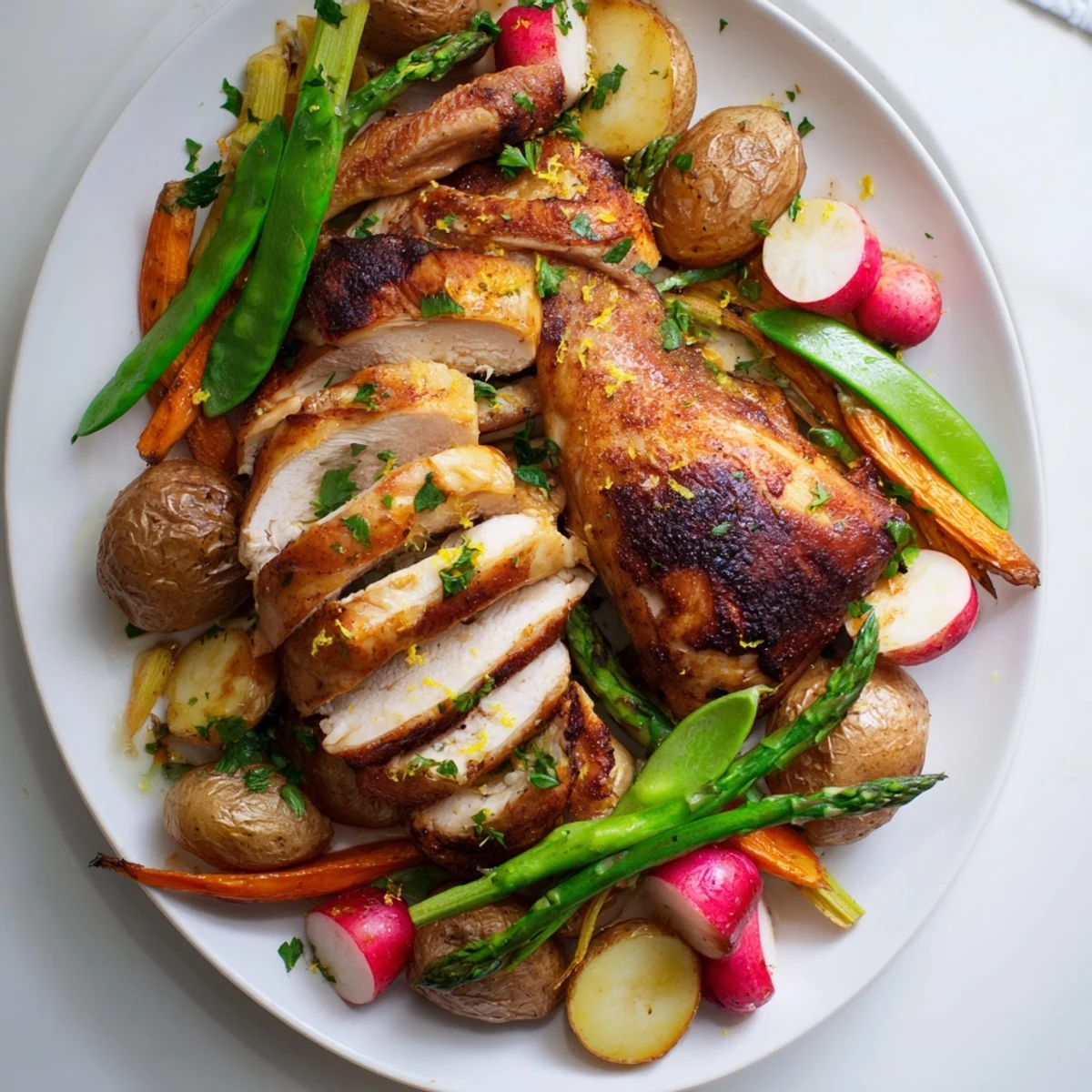
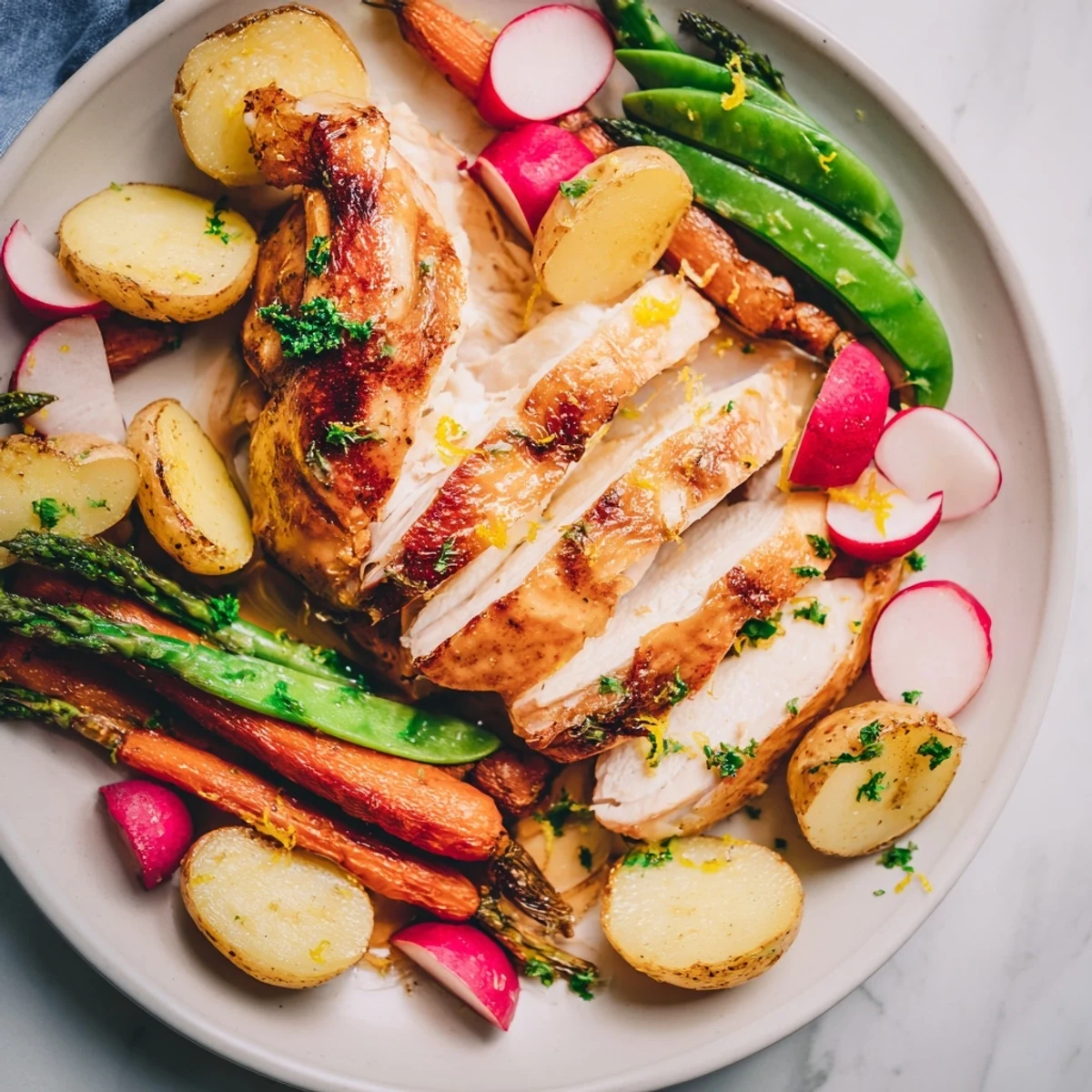
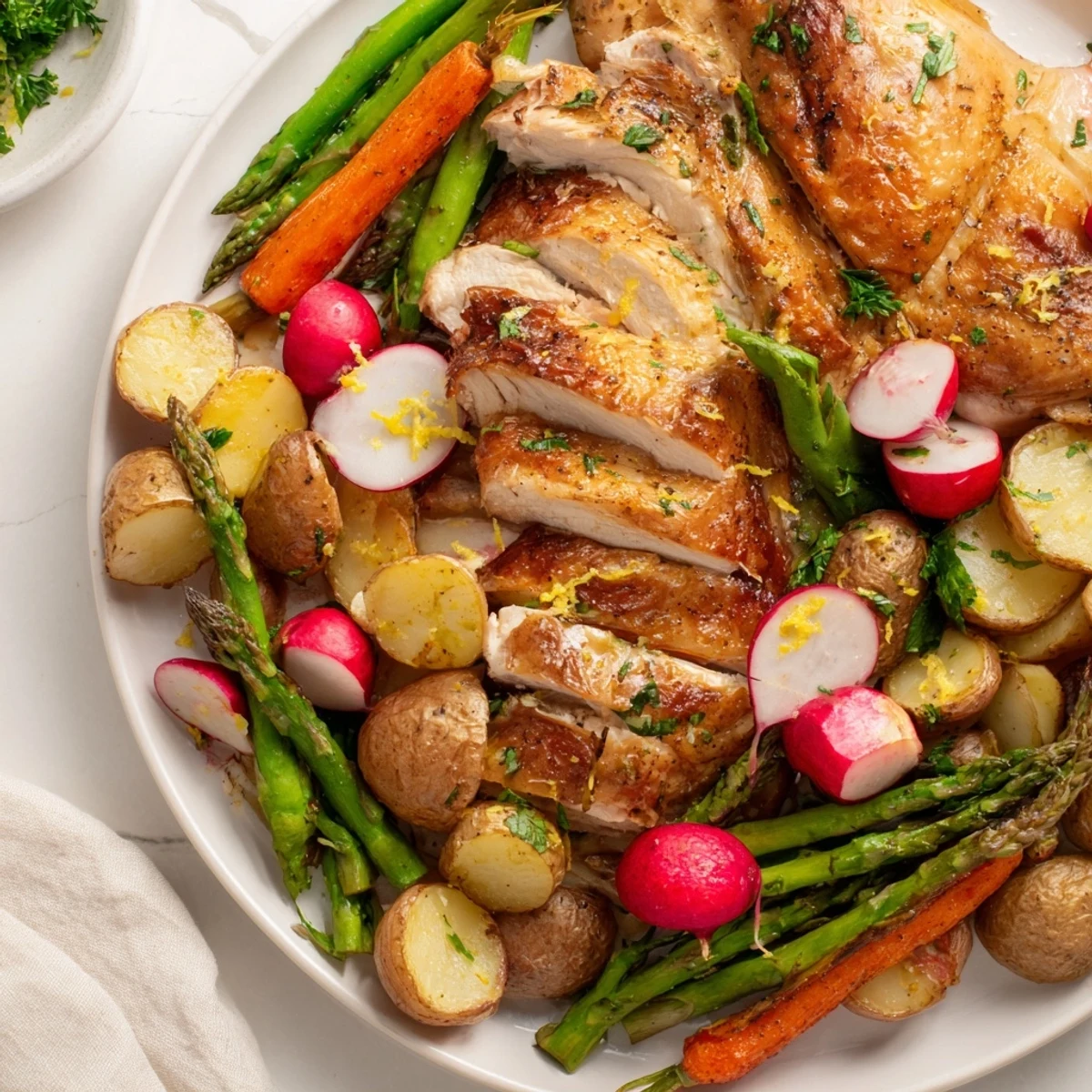
Save This dish features a whole chicken rubbed with olive oil, herbs, and lemon, roasted to golden perfection alongside an assortment of fresh spring vegetables such as baby potatoes, carrots, asparagus, sugar snap peas, and radishes. The chicken is seasoned with thyme, rosemary, garlic, and a hint of lemon, resulting in tender, flavorful meat. Vegetables are added in stages to ensure perfect roasting, tender yet crisp. Finished with fresh parsley and lemon zest, this vibrant meal balances rich protein and seasonal produce for a nourishing family dinner.
The kitchen was still quiet when I slid the roasting pan into the oven, that first wave of herb-scented warmth filling the room. My youngest wandered in rubbing sleep from her eyes and asked what smelled like Sunday morning. I told her Sunday can happen on a Tuesday sometimes, especially when spring vegetables look this good at the market.
Last May, my neighbor Sarah brought over the most beautiful bunch of radishes and snap peas from her garden. We stood in my kitchen debating how to cook them without losing their crunch, finally tossing them under the roasting chicken for the last twenty minutes. She texted me three days later saying her family refuses vegetables any other way now.
Ingredients
- Whole chicken: Pat it thoroughly dry before seasoning helps the skin crisp properly, a step I learned after too many soggy attempts
- Olive oil: Creates that golden protective seal that keeps meat juicy while vegetables caramelize beautifully
- Kosher salt and black pepper: The only seasoning foundation needed when ingredients are this fresh and quality shines through
- Lemon halves and smashed garlic: Tucking these inside the cavity infuses meat from within, releasing aromatic steam as they roast
- Fresh thyme and rosemary: Hardy herbs that hold up to high heat, their oils perfuming both chicken and vegetables
- Baby potatoes and carrots: These need the full cooking time, becoming tender and sweet while catching flavorful pan juices
- Asparagus, sugar snap peas, and radishes: Quick cooking vegetables that join the pan later, maintaining their bright spring character
- Fresh parsley and lemon zest: This bright finishing sprinkle wakes up everything, making the dish taste like the season itself
Instructions
- Preheat and prep the chicken:
- Get your oven to 220°C with the rack positioned in the center. Pat the chicken completely dry with paper towels, then rub it all over with olive oil and season generously with salt and pepper.
- Stuff and truss the bird:
- Fill the cavity with lemon halves, smashed garlic cloves, and fresh herb sprigs. Tie the legs together with kitchen twine and tuck the wing tips under to help the chicken cook evenly.
- Start the sturdy vegetables:
- Toss the baby potatoes and carrots with olive oil, salt, and pepper in a large bowl. Arrange these around the chicken in the roasting pan, placing them in a single layer for proper browning.
- Roast for the first stage:
- Place everything in the hot oven and let it cook undisturbed for 35 minutes, allowing the chicken to begin browning and the potatoes and carrots to start tenderizing.
- Add quick cooking vegetables:
- Toss asparagus, sugar snap peas, and radishes with a little olive oil and seasoning. Pull the pan from the oven briefly and scatter these vegetables around the chicken and among the partially cooked potatoes.
- Finish roasting:
- Return the pan to the oven for another 20 minutes, rotating halfway through if needed for even browning. The chicken is done when an instant thermometer reads 75°C in the thickest part of the thigh.
- Rest and carve:
- Transfer the chicken to a cutting board and let it rest for at least 10 minutes. This crucial step redistributes juices throughout the meat, making each slice succulent instead of dry.
- Finish and serve:
- Arrange all the roasted vegetables on a serving platter. Carve the chicken and place it over the vegetables, then sprinkle everything with fresh parsley and lemon zest right at the table.
 Save
Save My mother in law still talks about the first time she had this at our house, picking at the roasted radishes and asking what I had done to make them taste so good. I told her sometimes the best cooking is just letting good ingredients be themselves together in a hot pan.
Getting That Crispy Skin
The secret is starting with a thoroughly dried bird and not overcrowding the roasting pan. Air needs to circulate around the entire chicken, which is why I use a pan that leaves some space between the bird and the sides.
Vegetable Timing Matters
Not all vegetables roast at the same speed, which is why the delicate vegetables join the party later. I have learned from sad experience that asparagus turns to mush if it cooks as long as carrots need to become tender.
Serving and Seasonal Swaps
This dish adapts beautifully through the seasons while keeping the same brilliant technique. The combination of protein and vegetables roasting together is timeless even as the ingredients change.
- Swap spring vegetables for summer zucchini, cherry tomatoes, and bell peppers
- Fall brings Brussels sprouts, cubed butternut squash, and red onion into the rotation
- Winter root vegetables like parsnips, turnips, and sweet potatoes love this treatment
 Save
Save There is something deeply satisfying about a meal that cooks itself mostly unattended, filling the house with promises of comfort. Spring arrives on our plates one roasted vegetable at a time.
Questions & Answers
- → How do I keep the chicken juicy during roasting?
-
Rubbing the chicken with olive oil and seasoning it well helps retain moisture. Stuffing the cavity with lemon, garlic, thyme, and rosemary infuses flavor and moisture. Resting the chicken for 10 minutes after roasting allows juices to redistribute.
- → When should I add the different vegetables during cooking?
-
Start roasting baby potatoes and carrots with the chicken to ensure they cook thoroughly. Add asparagus, sugar snap peas, and radishes after 35 minutes for proper tenderness and texture.
- → Can I substitute other vegetables for spring vegetables?
-
Yes, seasonal substitutions like baby turnips or fennel work well as alternatives, maintaining a balance of texture and flavor in the roasting pan.
- → What is the ideal internal temperature for the chicken?
-
Roast the chicken until it reaches an internal temperature of 75°C (165°F), ensuring it is fully cooked yet juicy.
- → How do I enhance the final flavor before serving?
-
Sprinkle fresh parsley and lemon zest over the carved chicken and vegetables before serving for a bright, fresh finish.