
 Save
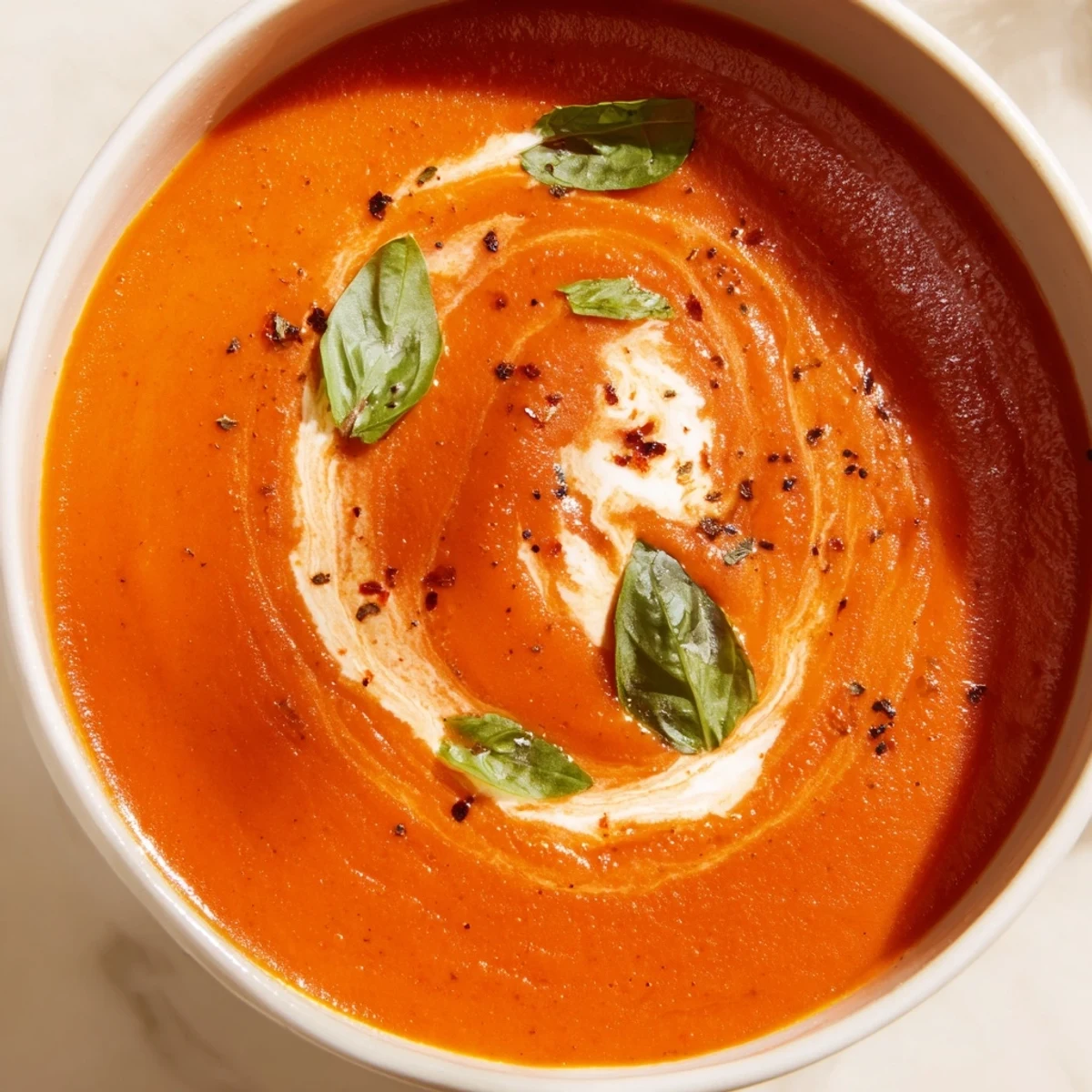
Save This comforting blend highlights the sweetness of roasted garlic paired with ripe tomatoes and fresh basil. Roasting deepens flavors before simmering with herbs and broth to create a smooth, aromatic dish perfect for any light meal or appetizer. Optional cream can add richness. Ideal for a cozy, easy-to-make Italian-inspired bowl that pairs well with crusty bread or a crisp white wine. Naturally gluten-free and customizable for vegan preferences.
There's something almost magical about walking into a kitchen thick with roasted garlic smoke—that moment when you realize the oven's been working while you've been chopping, turning something ordinary into something golden. This soup came together on a Tuesday afternoon when I had a head of garlic that seemed too perfect to ignore and tomatoes that were practically begging to be caramelized. The roasting transforms everything, pulling sweetness from the vegetables and turning garlic into something buttery and approachable, nothing like raw garlic's sharp bite. It's become my go-to when I want something warm and alive without spending hours at the stove.
I made this for my neighbor who'd just moved in, and she came over with a bottle of wine. We stood in my kitchen while it roasted, talking about gardens and the houses we'd left behind, and when that soup finally hit the bowls with a swirl of basil and cream, something shifted in the evening—from polite to real. She's asked for it three times since, which is how I know it matters.
Ingredients
- Ripe tomatoes, 2 lbs halved: Look for tomatoes that feel heavy and smell sweet at the stem; roasting concentrates their flavor into something almost honeyed.
- Garlic head, 1 whole: The entire head gets roasted until soft, and squeezing the cloves from their papery skin becomes the most satisfying kitchen moment.
- Medium onion, roughly chopped: Roasting softens its sharp edges and builds a caramelized base that anchors the whole soup.
- Medium carrot, peeled and chopped: A quiet player that adds natural sweetness and body without announcing itself.
- Fresh basil leaves, 1/2 cup plus extra: Save some for the end; basil added before blending melts into the background, but basil added last stays bright and alive.
- Dried oregano, 1 tsp: A gentle echo of Italian kitchens, adding depth without overpowering the roasted vegetables.
- Crushed red pepper flakes, 1/2 tsp optional: Just enough heat to make your mouth wake up without turning it into something aggressive.
- Olive oil, 2 tbsp: High quality is worth it here since roasting coaxes the flavor out of every molecule.
- Vegetable broth, 3 cups: The liquid foundation that lets everything meld together while simmering.
- Heavy cream, 1/4 cup optional: Swirled in at the end, it softens any rough edges and adds a luxurious finish that feels indulgent.
- Salt and freshly ground black pepper: Taste as you go; roasted vegetables are sweet, so they need proper seasoning to shine.
Instructions
- Heat and arrange:
- Preheat the oven to 400°F and line your baking sheet with parchment paper—this small step saves cleanup and prevents sticking. Halve the tomatoes cut-side up, roughly chop the onion and carrot, and place everything on the sheet with the garlic head sitting proudly in the middle.
- Coat and season:
- Drizzle the vegetables with olive oil until they glisten, then season generously with salt and pepper, letting the oil carry the seasonings into every crevice. The oil is what turns these vegetables into something rich during roasting.
- Roast until golden:
- Slide everything into the oven for 35 to 40 minutes, watching for blistered tomato skin and garlic that's turned soft and pale golden. The kitchen will smell like a tomato garden left in the sun.
- Cool and squeeze:
- Let the garlic cool just enough to touch, then squeeze each clove from its papery skin—they slip out like little secrets. The roasted flesh is what you want, not the papery bits.
- Build the pot:
- Transfer everything into a large pot, add the vegetable broth, then scatter in the basil, oregano, and red pepper flakes if you're using them. Stir gently, letting the roasted vegetables begin to release their flavor into the liquid.
- Simmer and marry flavors:
- Bring everything to a simmer over medium heat and let it bubble quietly for about 10 minutes, this isn't rushing—it's letting the flavors actually find each other. You'll smell the basil starting to wake up.
- Blend until smooth:
- Use an immersion blender to puree the soup in the pot, working in long strokes until you reach the texture you want—some people like it perfectly smooth, others prefer a slight rustic edge. If using a countertop blender, work in careful batches and let the hot soup cool slightly before blending to avoid accidents.
- Taste and adjust:
- This is where the soup becomes yours—taste it, and add salt and pepper until it sings. If your tomatoes were acidic, a tiny pinch of sugar balances things out.
- Cream if you wish:
- Stir in the heavy cream if you want that extra richness, or skip it entirely if you prefer the soup clean and bright. Both versions are right.
- Serve warm:
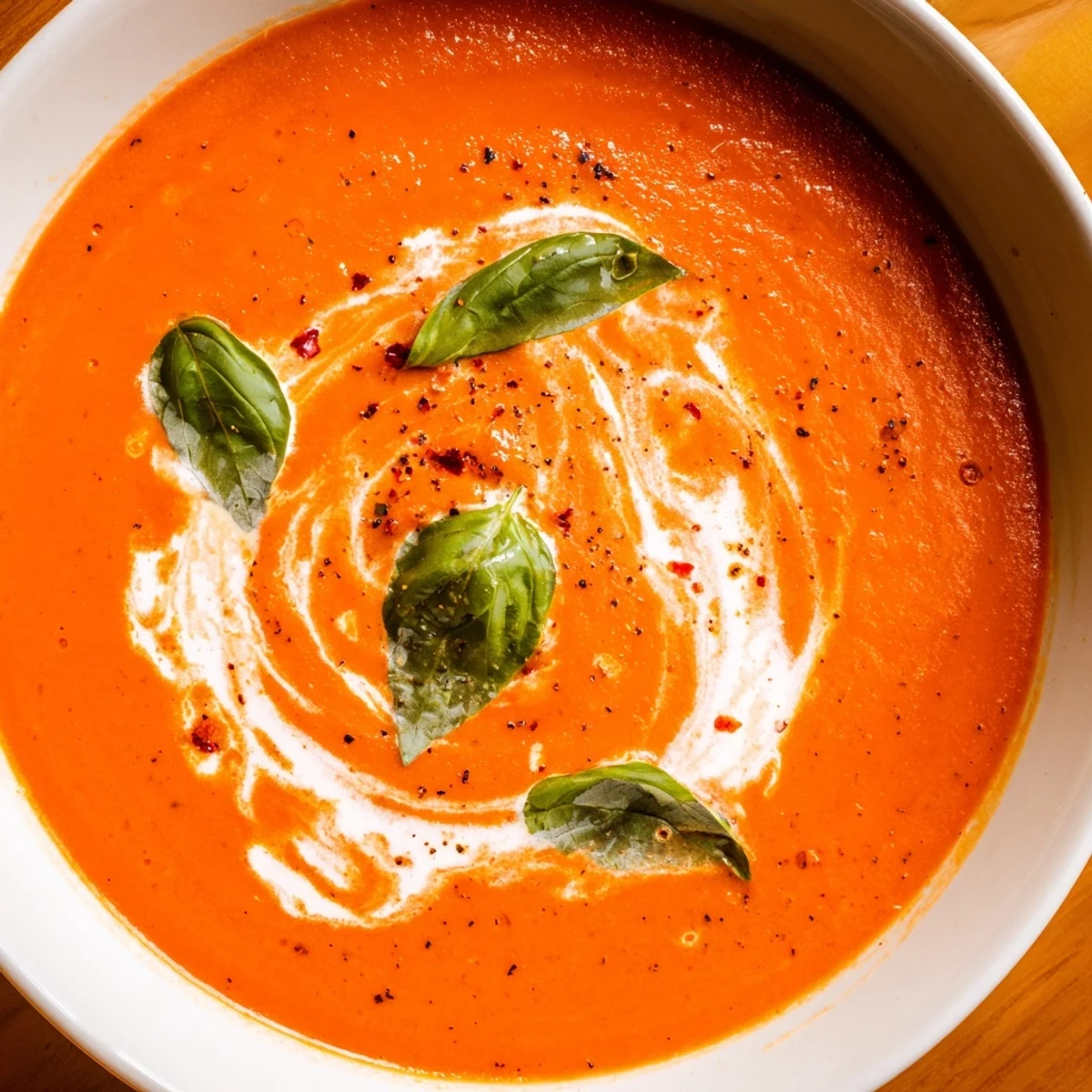
- Ladle into bowls, top with fresh basil leaves, and serve immediately while the warmth still carries the aroma up into the room.
 Save
Save This soup became the thing I make when someone needs comfort without the word being said out loud. A friend showed up at my door after a rough week, and I had this roasting before she even sat down, and by the time she left, the heaviness had lifted just a little.
Why Roasting Changes Everything
Raw tomatoes are one thing, but roasted tomatoes are a different story—the dry heat of the oven removes water and concentrates sugars, turning acidic fruit into something almost jammy. The garlic transforms most dramatically, losing its sharp sulfur notes and becoming sweet and spreadable, like a completely different ingredient. When all three vegetables (tomatoes, garlic, and carrot) roast together, their edges start to caramelize, and this browned layer becomes the flavor foundation that makes the whole soup taste intentional and deep. It's the kind of cooking technique that takes five extra minutes of prep but pays off in a way that feels like cheating.
Texture and Consistency
Some people want their soup perfectly smooth, like drinking velvet, while others prefer a soup with a little character and slight texture. The immersion blender gives you control—start by breaking down the larger pieces, taste it, and decide if you want to blend more or leave it with a rustic edge. If you use a regular blender, let the soup cool slightly first and work in smaller batches so you're not fighting with hot liquid, and remember that hot soup expands, so never fill the blender more than halfway. Cream (or a splash of something rich) stirred in at the end softens the soup's personality without drowning its flavor, but it's entirely optional—this soup is good either way.
What to Serve Alongside
This soup wants company at the table, not to sit alone. Crusty bread is the obvious choice, something with enough character to soak up the last spoonfuls, or grilled cheese if you want to lean into comfort completely. A simple salad with sharp vinaigrette cuts through the soup's richness and adds brightness to the plate, while something like roasted vegetables or a fresh herb bruschetta picks up on the soup's natural flavors. If you're feeling it, a glass of crisp Sauvignon Blanc pairs beautifully with the roasted tomato and garlic, the wine's acidity playing off the soup's sweetness.
- Tear fresh basil over the bread before grilling it for a quick basil toast that echoes the soup's flavors.
- A grating of Parmesan stirred in just before serving adds a subtle savory note without changing the soup's character.
- Save any leftover roasted garlic cloves for spreading on toast the next morning—they're too good to waste.
 Save
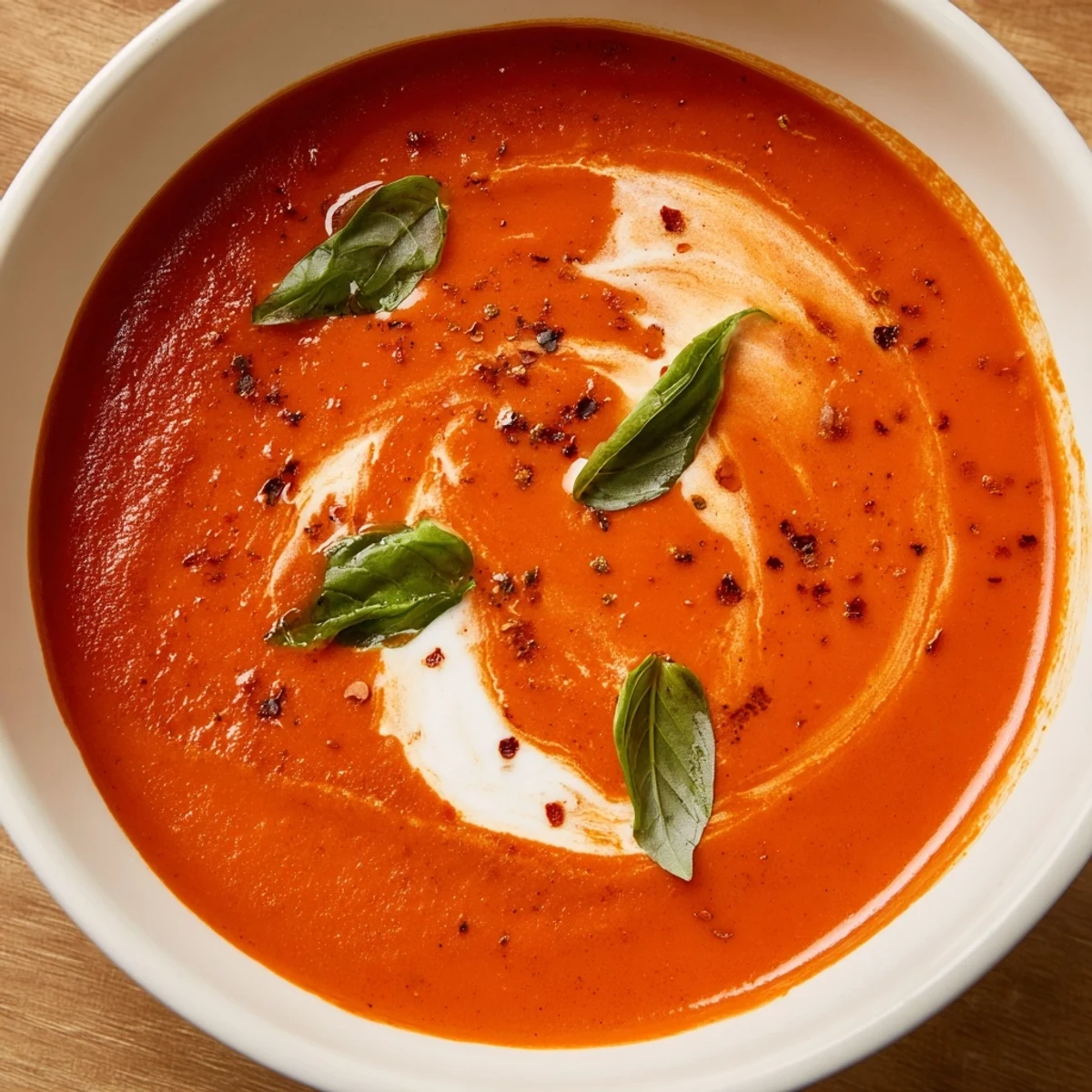
Save This soup is a reminder that sometimes the best meals come from letting good ingredients do their work, from patience and roasting and the small decision to taste before serving. It's become one of those dishes I make without checking the recipe anymore, trusting my hands to know what the soup needs.
Questions & Answers
- → What’s the best way to roast the garlic and tomatoes?
-
Roast at 400°F on a parchment-lined sheet until tomatoes blister and garlic softens, about 35–40 minutes. This intensifies flavors and brings sweetness.
- → Can I make this dish vegan?
-
Yes, simply omit the heavy cream or substitute with a plant-based alternative to keep it creamy without dairy.
- → How should I adjust seasoning after blending?
-
Taste the blended mixture and add salt, pepper, or a pinch of sugar if tomatoes are too acidic, balancing the flavor profile.
- → Is it necessary to blend the soup until smooth?
-
Blending creates a velvety texture, but you can leave it slightly chunky if you prefer a rustic feel.
- → What are some suggested pairings for serving?
-
Serve with crusty bread, grilled cheese, or a crisp Sauvignon Blanc to complement the soup’s herbal and roasted notes.