
 Save
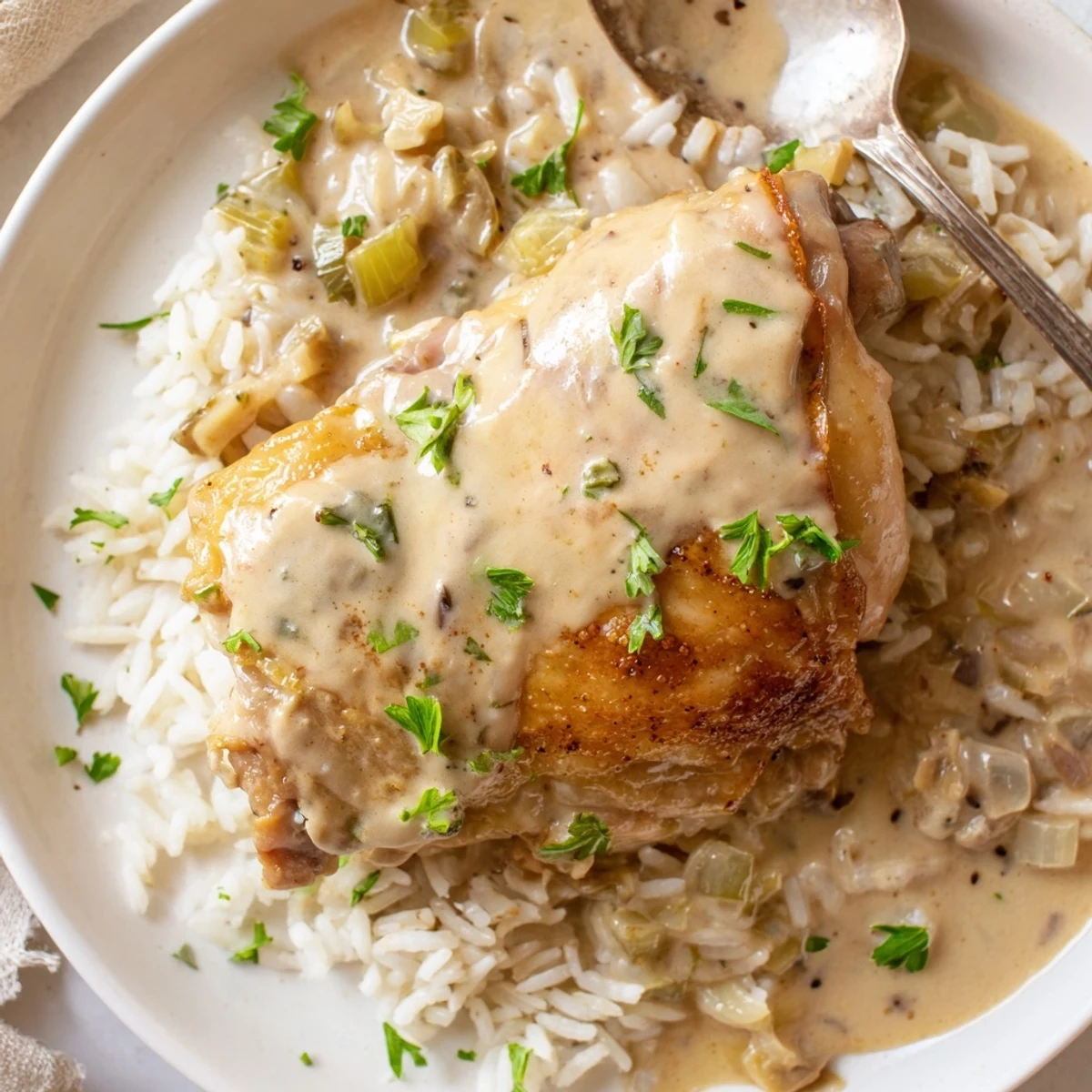
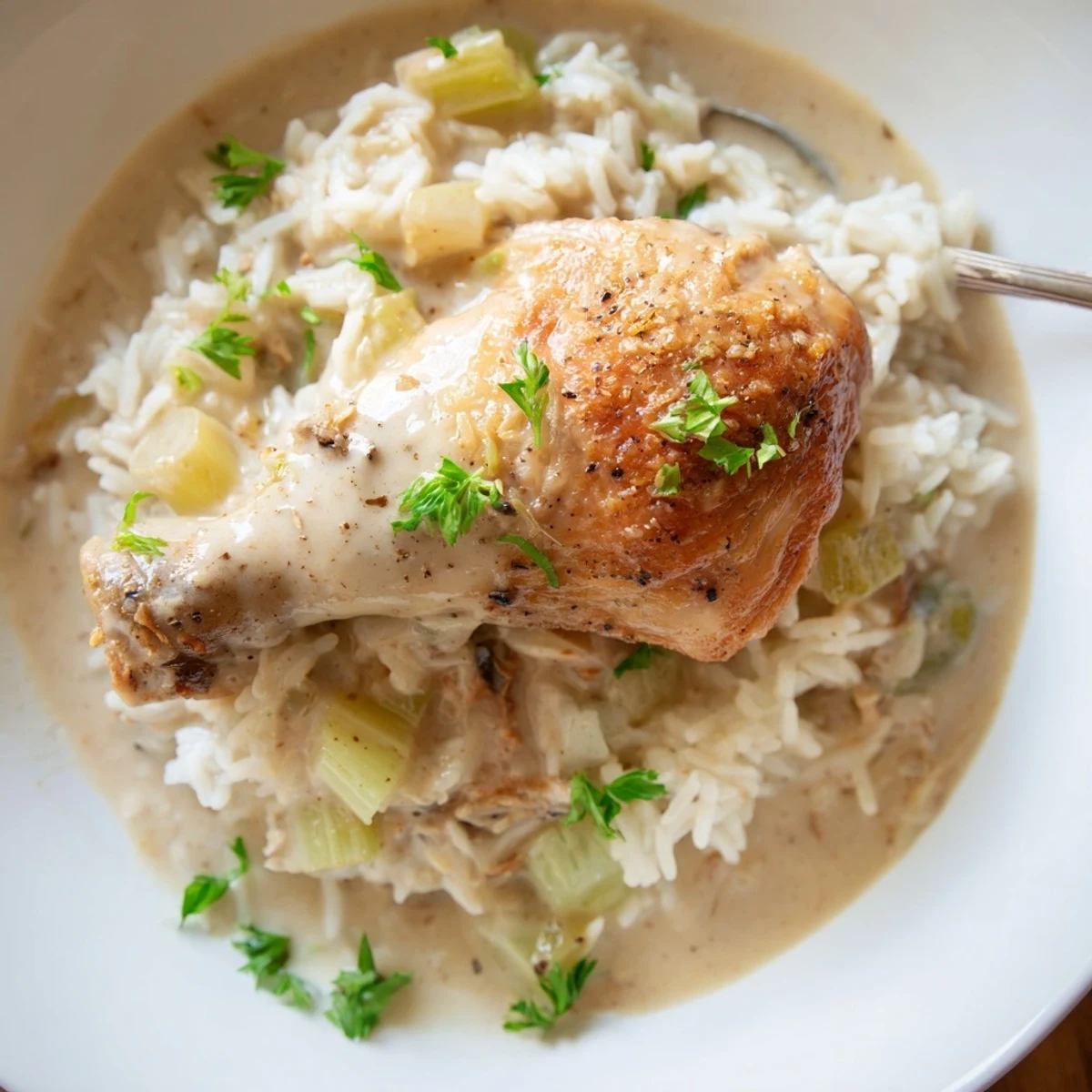
Save Start by seasoning and browning bone-in, skin-on chicken thighs in olive oil. Sauté onion, celery and bell pepper in the same pan, stir in flour to form a roux, then whisk in chicken broth and milk to create a creamy gravy. Add long-grain rice, nestle the browned thighs on top, cover and simmer 25–30 minutes until rice is tender and chicken reaches 165°F. Let rest, garnish with parsley. Swap to gluten-free flour or brown rice with adjusted times as needed.
The sound of chicken skin hitting a hot skillet on a rainy Sunday afternoon is one of those small things that makes a kitchen feel alive. My neighbor stopped by once while I was making this and ended up staying for dinner because the smell drifting through the screen door was apparently impossible to resist. Smothered chicken and rice is the kind of dish that turns a random afternoon into something worth remembering. It is unpretentious, deeply comforting, and feeds four people without any fuss.
I once made this for a friend who claimed she did not like dark meat chicken, and she went back for seconds without a word of complaint. The trick is that bone-in thighs stay incredibly juicy while the skin gets beautifully golden before everything simmers together. That first sizzle when the thighs hit the oil is honestly one of my favorite cooking sounds.
Ingredients
- 4 bone-in, skin-on chicken thighs: The skin renders fat into the pan and the bones keep the meat moist through the long simmer.
- 1 medium onion, finely chopped: Onion forms the sweet aromatic backbone of the gravy.
- 2 celery stalks, diced: Celery adds a subtle earthy crunch that softens into the sauce beautifully.
- 1 green bell pepper, diced: This is what gives the dish its Southern character and a hint of sweetness.
- 2 garlic cloves, minced: Fresh garlic makes a noticeable difference here, so skip the jarred version if you can.
- 1 cup long-grain white rice: Long-grain rice stays fluffy and separate rather than turning gummy.
- 2 and 1/2 cups chicken broth: Low sodium broth lets you control the salt level throughout cooking.
- 1/2 tsp paprika: Smoked paprika works too and adds a lovely depth if you want to experiment.
- 1/2 tsp dried thyme: Thyme pairs naturally with chicken and gives the gravy an herbal warmth.
- 1/2 tsp black pepper: Freshly cracked is always better for a brighter bite.
- 1 tsp salt: Adjust to taste, especially if your broth is already salted.
- 1/4 tsp cayenne pepper: Optional, but a tiny pinch wakes up the whole dish without making it spicy.
- 2 tbsp olive oil: Used for browning the chicken to get that crucial golden crust.
- 2 tbsp unsalted butter: Butter adds richness to the gravy that oil alone cannot match.
- 2 tbsp all-purpose flour: This creates the roux that thickens the broth into a proper gravy.
- 1/2 cup whole milk or heavy cream: Cream makes the sauce luxurious, but whole milk works for a lighter version.
- 2 tbsp chopped fresh parsley: A bright finishing touch that cuts through the richness.
Instructions
- Season the chicken:
- Pat the chicken thighs dry with paper towels and sprinkle both sides generously with salt, pepper, and paprika. Getting the skin dry is the secret to a really good sear.
- Brown the chicken:
- Heat olive oil in a large skillet or Dutch oven over medium-high heat and place the thighs skin-side down. Let them cook undisturbed for 4 to 5 minutes until the skin is deeply golden, then flip and brown the other side before transferring to a plate.
- Build the vegetable base:
- Reduce the heat to medium, melt the butter into the rendered chicken fat, and add the onion, celery, and bell pepper. Stir and cook until everything softens and smells sweet, about 4 to 5 minutes, then stir in the garlic for one more minute.
- Make the roux:
- Sprinkle the flour over the softened vegetables and stir constantly for about a minute until it looks pasty and smells slightly nutty. This step is what gives the gravy its body and silkiness.
- Create the sauce:
- Gradually pour in the chicken broth and milk or cream, whisking as you go to prevent any lumps from forming. Add the thyme and cayenne pepper if using, and let everything come together into a smooth, fragrant liquid.
- Add the rice:
- Stir the rice into the sauce until every grain is coated and evenly distributed. Nestle the browned chicken thighs on top with the skin facing up so it stays crisp during the simmer.
- Simmer covered:
- Bring the pan to a gentle simmer, then reduce the heat to low, cover with a tight-fitting lid, and cook for 25 to 30 minutes. The rice should be tender and the chicken should reach an internal temperature of 165 degrees Fahrenheit.
- Rest and serve:
- Take the pan off the heat and let it rest for 5 minutes with the lid still on so the sauce settles. Scatter chopped parsley over the top and bring the whole pan to the table.
 Save
Save One evening I brought the entire Dutch oven to the table and my family just sat there passing spoons and scraping the bottom of the pan for every last bit of rice. It was one of those meals where nobody reached for their phone and the conversation kept going long after the plates were empty. That is the real magic of smothered chicken and rice.
What If I Want to Use Brown Rice
Brown rice absolutely works but it needs more liquid and about 10 to 15 extra minutes of covered cooking time. I tried it once when that was all I had in the pantry and the nutty flavor was actually a wonderful surprise, though the texture is heartier than the classic version.
Can I Use Boneless Chicken Instead
Boneless breasts will work in a pinch but they cook much faster, so add them halfway through the rice cooking time rather than at the beginning. I learned this after pulling out slightly overcooked breasts one night and realizing timing matters more than convenience here.
Pairing Suggestions and Leftovers
A glass of crisp Sauvignon Blanc cuts right through the richness of the gravy in the best way. Leftovers reheat beautifully the next day with a splash of broth stirred in to loosen the rice again.
- A simple side salad with vinaigrette balances the heaviness of the meal perfectly.
- Cornbread makes an excellent companion for soaking up any extra gravy.
- Store leftovers in an airtight container in the refrigerator for up to three days.
 Save
Save This is the kind of recipe that earns a permanent spot in your weekly rotation because it asks for so little effort and gives back so much warmth. Make it once and you will find yourself reaching for it every time the sky turns grey.
Questions & Answers
- → How do I get crisp skin on the thighs?
-
Pat the skin dry and season well, then brown skin-side down in a hot skillet without moving until deeply golden. Finish braising skin-side up to keep it crisp while the rice cooks.
- → Can I use boneless chicken instead?
-
Yes. Boneless thighs or breasts work; reduce browning and simmering time since they cook faster. Monitor internal temperature to avoid drying.
- → How can I prevent the rice from becoming mushy?
-
Use long-grain rice, maintain the liquid ratio (about 2.5 cups broth per 1 cup rice here), bring to a gentle simmer, then cover and cook undisturbed until tender—typically 25–30 minutes.
- → What thickens the gravy best?
-
A quick roux of butter and flour before adding liquid gives a silky gravy. For gluten-free options, use a cornstarch slurry or a gluten-free flour blend and adjust to reach the desired thickness.
- → Will smoked paprika change the dish?
-
Yes—smoked paprika adds a deeper, smoky note that complements the savory gravy. Start with a small amount and adjust to taste.
- → How should leftovers be stored and reheated?
-
Cool to room temperature, refrigerate in an airtight container up to 3 days. Reheat gently on the stove with a splash of broth or milk to loosen the gravy, or microwave in short intervals stirring between heats.