
 Save
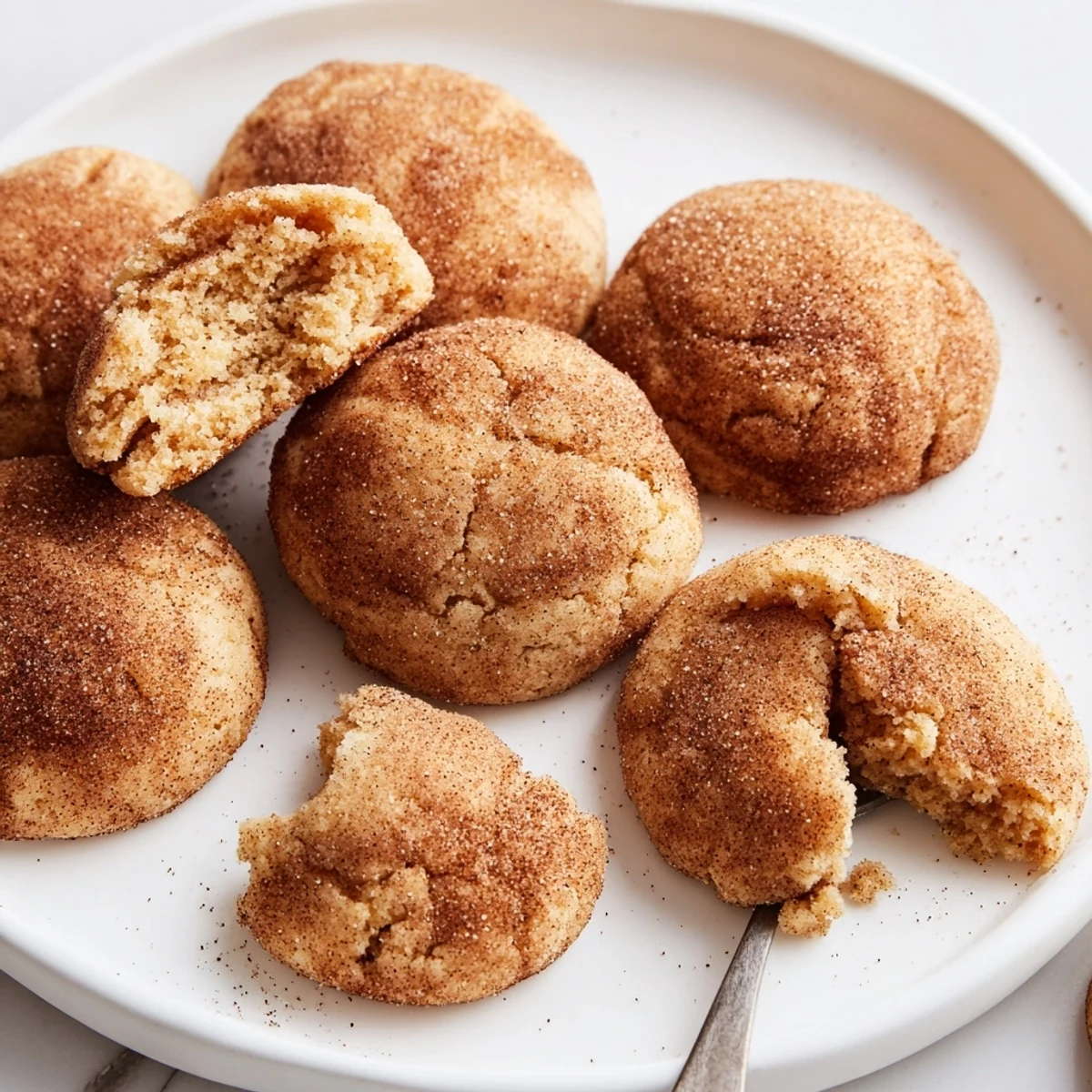
Save Soft, chewy snickerdoodles with a crisp cinnamon-sugar crust. The dough combines all-purpose flour, cream of tartar, baking soda, butter, sugar, eggs and vanilla for a tender crumb. Spoon by rounded tablespoons, roll in cinnamon-sugar, and bake at 375°F (190°C) for 9–11 minutes until edges set and centers appear slightly underbaked. Cool briefly on sheets, then transfer to a rack to finish.
The kitchen smelled like a cinnamon dream the afternoon my neighbor walked over with a plate of stillwarm snickerdoodles and changed my baking life forever. I had been in a bit of a cooking rut, making the same chocolate chip cookies every weekend, and those soft crackled rounds dusted in spiced sugar woke something up in me. I stood right there in the doorway eating three of them before she even finished telling me the recipe name. That same evening I was in my kitchen, flour on my forehead, trying to recreate them from memory and a few frantic text messages.
I made a double batch for my daughters school bake sale last winter and they sold out before the first period bell even rang. One little boy came back to the table three times asking if there were more hidden somewhere. That kind of reaction is really all the proof you need.
Ingredients
- All purpose flour (2 3/4 cups or 345 g): This is your foundation and measuring accurately by weight if you have a scale makes a real difference in keeping the texture soft rather than cakey.
- Cream of tartar (2 teaspoons): Do not skip this or substitute it because it is what gives snickerdoodles their classic tang and helps create those beautiful cracked tops.
- Baking soda (1 teaspoon): Works alongside the cream of tartar to give the cookies just the right amount of lift without spreading too thin.
- Salt (1/2 teaspoon): A small amount that balances the sweetness and wakes up every flavor in the dough.
- Unsalted butter (1 cup or 225 g, softened): Let it come to room temperature naturally because microwaving it creates hot spots that will wreck the texture of your dough.
- Granulated sugar (1 1/2 cups or 300 g): Regular white sugar is all you need here and it creams beautifully with the butter to create a light fluffy base.
- Large eggs (2): Add them one at a time so each incorporates fully before the next goes in.
- Pure vanilla extract (1 teaspoon): A quiet background note that rounds everything out and makes the dough taste like something you remember from childhood.
- Granulated sugar for coating (1/4 cup or 50 g): This forms the sparkly sweet exterior when mixed with cinnamon.
- Ground cinnamon (1 1/2 tablespoons): A generous amount because the coating should taste boldly spiced not timidly dusted.
Instructions
- Get your oven ready:
- Preheat to 375 degrees F (190 degrees C) and line two baking sheets with parchment paper so nothing sticks and cleanup is effortless.
- Whisk the dry ingredients:
- In a medium bowl combine the flour, cream of tartar, baking soda, and salt with a whisk until evenly distributed. Set this bowl aside where you can reach it easily.
- Cream butter and sugar:
- In a large bowl beat the softened butter and sugar together with an electric mixer on medium speed until the mixture turns pale, light, and noticeably fluffy. This usually takes about two minutes and you will see the color change dramatically.
- Add eggs and vanilla:
- Beat in the eggs one at a time, waiting until each one disappears into the batter before adding the next. Then pour in the vanilla and mix just until blended.
- Bring the dough together:
- Gradually add the flour mixture to the wet ingredients on low speed, blending just until you no longer see dry streaks. The dough should look soft and slightly tacky but hold its shape when scooped.
- Make the cinnamon sugar coating:
- In a small shallow bowl stir together the quarter cup of sugar and cinnamon until the color looks even throughout. A fork works perfectly for this.
- Roll and coat:
- Scoop the dough by rounded tablespoonfuls and roll each portion into a ball between your palms. Roll every ball generously in the cinnamon sugar until completely coated and place them on the prepared sheets about two inches apart.
- Bake:
- Slide the sheets into the oven and bake for 9 to 11 minutes until the edges are set and golden but the centers still look slightly underbaked and puffy. They will continue cooking on the pan after you pull them out.
- Cool properly:
- Let the cookies rest on the baking sheets for exactly two minutes then transfer them gently to a wire rack to cool completely. This rest time helps them firm up without drying out.
 Save
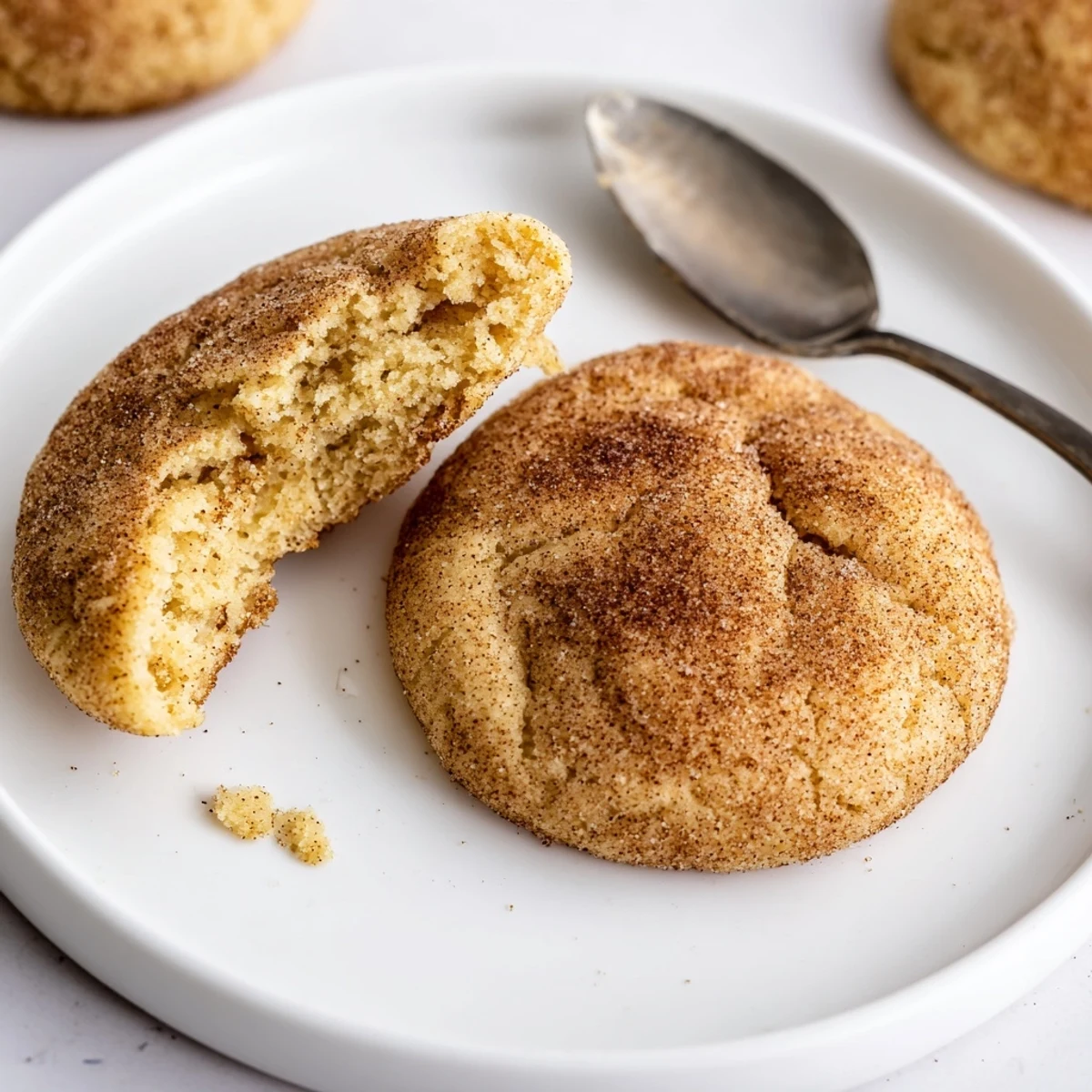
Save There is something quietly magical about pulling a tray of snickerdoodles from the oven and watching them deflate slightly into those perfect cracked little rounds. They go from puffy and pale to golden and wrinkled in just minutes and that transformation never gets old for me.
Storing Your Cookies
Keep them in an airtight container at room temperature and they stay soft for up to five days though in my house they rarely last past day two. A slice of bread tucked into the container with them keeps the moisture locked in beautifully if you need them to last longer.
Fun Twists to Try
A pinch of freshly grated nutmeg folded into the cinnamon sugar coating adds a subtle warmth that makes these taste like the holidays without changing anything else about the recipe. I have also rolled the dough balls in coarse turbinado sugar instead of regular granulated for a crunchier more rustic exterior that people always ask about.
Serving Suggestions
Snickerdoodles are best served with something warm to drink because the spices in the coating sing alongside hot chocolate, spiced tea, or a strong cup of coffee. A cold glass of milk is the classic move and honestly impossible to argue with.
- Warm them in the microwave for eight seconds if they have been stored overnight and they taste fresh from the oven.
- Dust the tops with a tiny extra pinch of cinnamon sugar right before serving for a beautiful finished look.
- Always let them cool completely before stacking or the bottoms will stick together and create a mess.
 Save
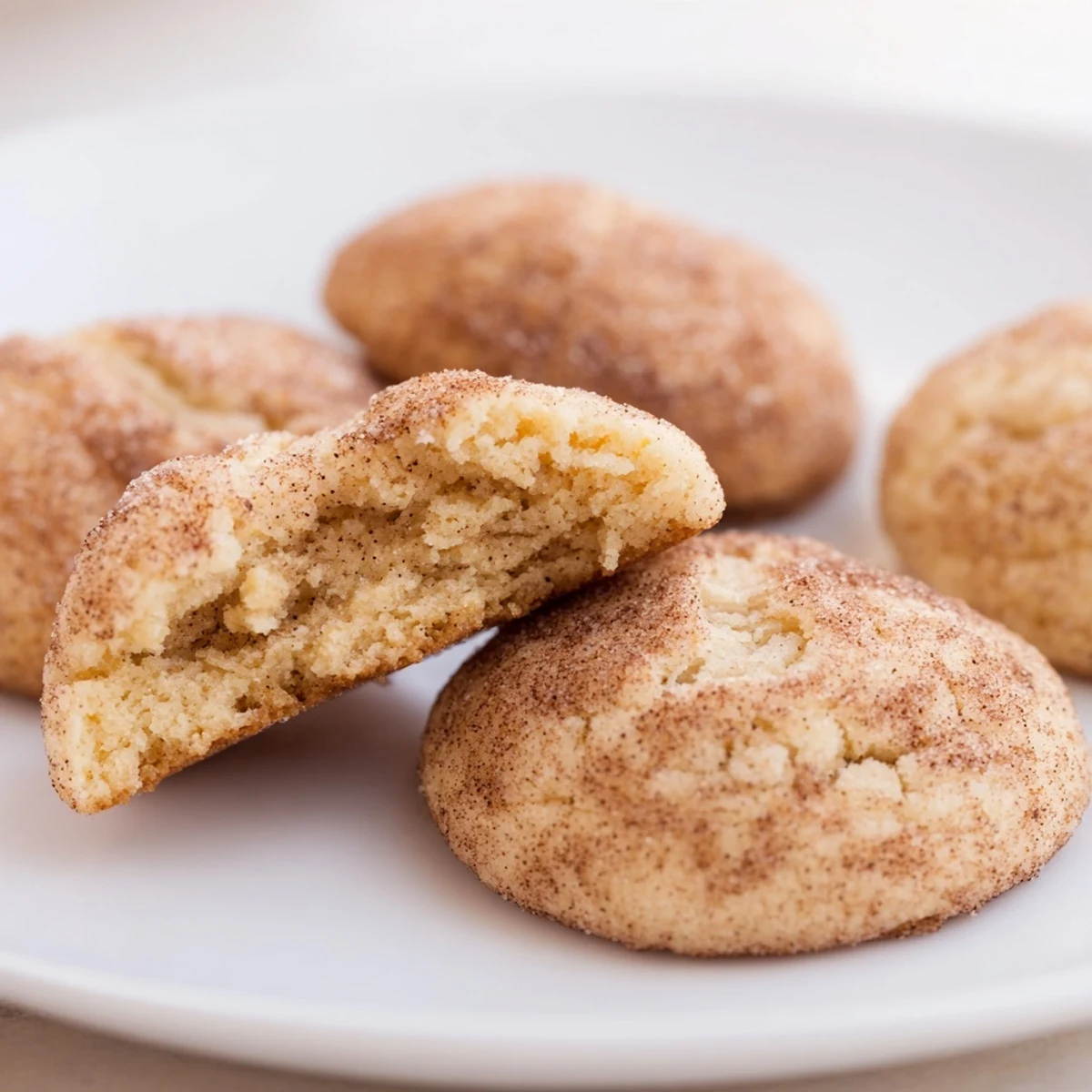
Save Every batch of snickerdoodles I make still reminds me of standing in that doorway with a plate of warm cookies in my hands and flour somehow already on my shirt. Some recipes just become part of your story and this one deserves a permanent spot in yours.
Questions & Answers
- → What does cream of tartar do in snickerdoodles?
-
Cream of tartar helps create the signature tang and soft, chewy texture by stabilizing the dough's acidity and reacting with baking soda to give a gentle lift and tender crumb.
- → How can I get extra-soft centers?
-
Slightly underbake the cookies: remove them when the edges are set but centers still look a touch underdone. They firm up as they cool, keeping a soft interior.
- → Can I substitute butter or eggs?
-
Use unsalted butter for best flavor; if swapping, choose a block butter alternative with similar fat content. For eggs, a common substitute is a flax or chia egg, but texture may be less tender than with whole eggs.
- → How do I check doneness without overbaking?
-
Look for set, lightly golden edges and centers that still appear slightly soft. A gentle jiggle of the baking sheet helps: if centers wobble a little, theyre ready to cool and finish on the rack.
- → Any tips for rolling and coating evenly?
-
Use a rounded tablespoon scoop for uniform dough portions, then roll between palms to smooth. Toss each ball in a shallow bowl of cinnamon-sugar and press gently to ensure an even coating.
- → How should I store and freeze them?
-
Store cooled cookies in an airtight container at room temperature for up to 5 days. For longer storage, freeze baked cookies in a single layer on a tray, then transfer to a sealed bag for up to 3 months; thaw at room temperature.