
 Save
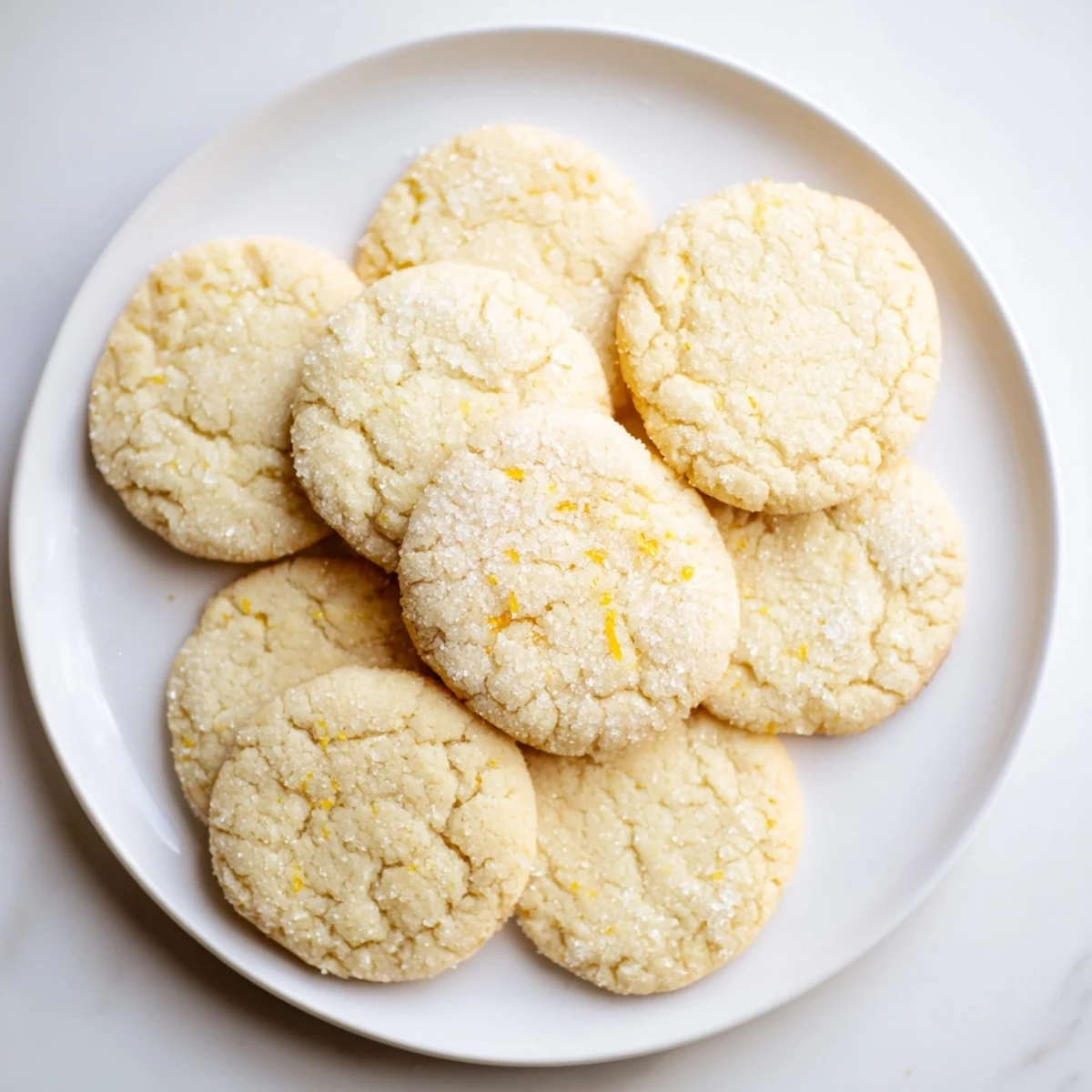
Save These soft and chewy lemon cookies combine fresh lemon juice and zest to create bright, zesty treats. The dough comes together quickly with basic pantry staples, then gets rolled in sugar for a sweet, crinkly finish. Bake until edges are set but centers remain soft for that perfect texture everyone loves.
The smell of lemon zest hitting a microplane is one of those small kitchen joys that instantly shifts my mood, bright and sharp and impossible to ignore. I started making these cookies during a stretch of gray February afternoons when citrus felt like rebellion against the weather. They turned out so softly chewy that I ate four before the second batch even left the oven. That pattern has not changed much since.
I brought a tin of these to a friend moving into her first apartment, and we ended up sitting on the floor surrounded by boxes eating cookies and laughing at how many plates she owned. She texted me three days later asking if lemon cookies could be a housewarming tradition. I said absolutely.
Ingredients
- 2 1/4 cups all purpose flour: The backbone of the cookie, measured by spooning into the cup and leveling off for accuracy.
- 1/2 teaspoon baking soda: Just enough lift to keep them soft without puffing them into cake rounds.
- 1/4 teaspoon salt: A small amount that makes the lemon taste brighter and more defined.
- 1 cup unsalted butter, softened: Room temperature butter creams properly and traps air for a lighter cookie.
- 1 cup granulated sugar plus 1/4 cup light brown sugar: The brown sugar adds moisture and chew, while white sugar keeps the edges crisp.
- 2 large eggs: Added one at a time so the mixture stays smooth and emulsified.
- 2 tablespoons fresh lemon juice: Bottled juice tastes flat here, squeeze it fresh for the brightest result.
- 2 teaspoons lemon zest: Where most of the lemon flavor actually lives, the oils in the zest are far more aromatic than the juice.
- 1 teaspoon vanilla extract: Rounds out the citrus and adds a warm background note.
- 1/3 cup granulated sugar for rolling: Creates a crackly sweet crust that catches the light beautifully.
Instructions
- Preheat and prepare:
- Set your oven to 350°F and line two baking sheets with parchment paper so nothing sticks and cleanup stays easy.
- Whisk the dry:
- In a medium bowl, whisk the flour, baking soda, and salt together until evenly distributed and free of lumps.
- Cream the butter and sugars:
- Beat the softened butter, granulated sugar, and brown sugar in a large bowl until the mixture turns pale, fluffy, and smells like sweet butter.
- Add the wet ingredients:
- Beat in the eggs one at a time, then pour in the lemon juice, lemon zest, and vanilla, mixing until everything is smooth and fragrant.
- Combine wet and dry:
- Gradually add the flour mixture to the wet ingredients, stirring just until the last streak of white disappears so the cookies stay tender.
- Scoop and roll:
- Scoop tablespoon sized portions, roll each into a ball between your palms, and tumble them through the extra sugar until evenly coated.
- Bake:
- Place the dough balls two inches apart on the sheets and bake for 9 to 11 minutes, until the edges look set but the centers still look soft and slightly underdone.
- Cool properly:
- Let the cookies rest on the hot baking sheet for five minutes so they finish setting, then move them to a wire rack to cool completely.
 Save
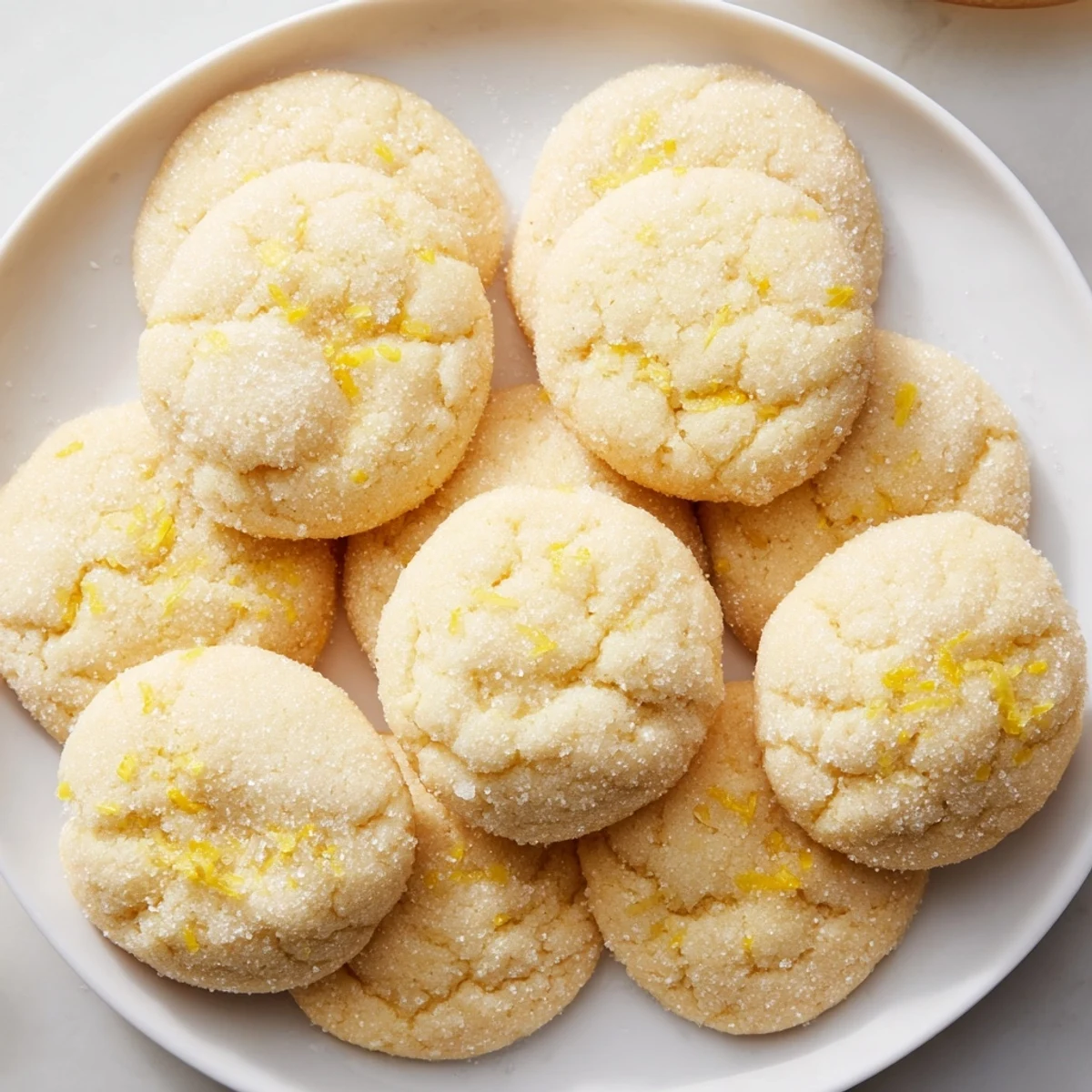
Save There is something quietly wonderful about watching people bite into one of these and pause, surprised by how much lemon flavor comes through. It happened at a potluck when a coworker who never eats dessert went back for thirds and then asked for the recipe on a sticky note. That sticky note ended up taped to her fridge, and apparently her daughter now makes them too.
Serving Suggestions
These cookies pair naturally with a cup of Earl Grey tea, the bergamot echoing the lemon and making the whole experience feel like a proper afternoon break. A glass of cold milk works too, especially if you are eating them warm when the centers are still gooey. For something slightly more grown up, pour a glass of citrusy white wine and call it dessert.
Storage Tips
Keep the cookies in an airtight container at room temperature and they will stay soft for up to four days, though they rarely last that long around here. You can also freeze the baked cookies in a single layer separated by parchment for up to three months.
Kitchen Notes
A few small things make a big difference with this recipe.
- Use a microplane for zesting because it captures the fragrant outer layer without digging into the bitter white pith underneath.
- If you want an extra tangy punch, add one more teaspoon of zest and a tiny squeeze more juice, but any more than that can thin the dough.
- Rolling in powdered sugar instead of granulated gives a softer matte finish that looks elegant and melts into the cookie beautifully.
 Save
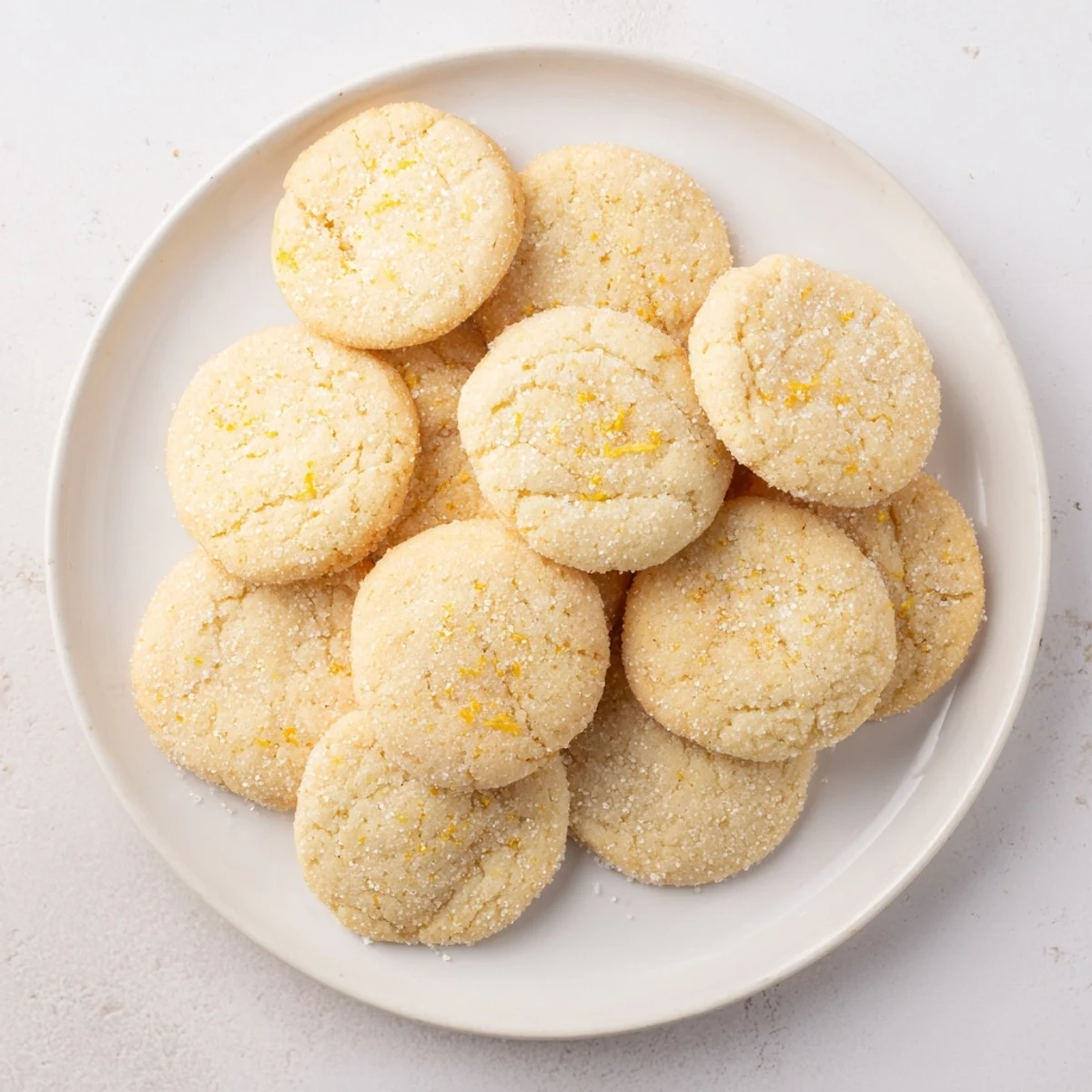
Save Every batch of these cookies feels like squeezing a little sunshine into the kitchen, no matter what the weather is doing outside. Share them generously and keep a few hidden for yourself.
Questions & Answers
- → What makes these cookies soft and chewy?
-
The combination of softened butter, both granulated and brown sugar, plus proper baking time creates that soft, chewy texture. Removing them from the oven while centers are still slightly soft ensures they stay tender.
- → Can I use bottled lemon juice instead of fresh?
-
Fresh lemon juice provides the best bright, authentic flavor. Bottled juice can work in a pinch, but may result in a more muted citrus taste.
- → How should I store these cookies?
-
Keep cookies in an airtight container at room temperature for up to 4 days. Place parchment paper between layers to prevent sticking.
- → Why do I roll the dough in sugar before baking?
-
Rolling dough balls in granulated sugar creates a sweet, slightly crisp exterior that contrasts beautifully with the soft, chewy interior.
- → Can I freeze the cookie dough?
-
Yes, scoop dough balls and freeze on a baking sheet, then transfer to a freezer bag. Bake from frozen, adding 1-2 minutes to baking time.
- → How do I know when the cookies are done?
-
Cookies are ready when edges are set and lightly golden, but centers still look slightly underbaked. They will firm up as they cool on the baking sheet.