
 Save
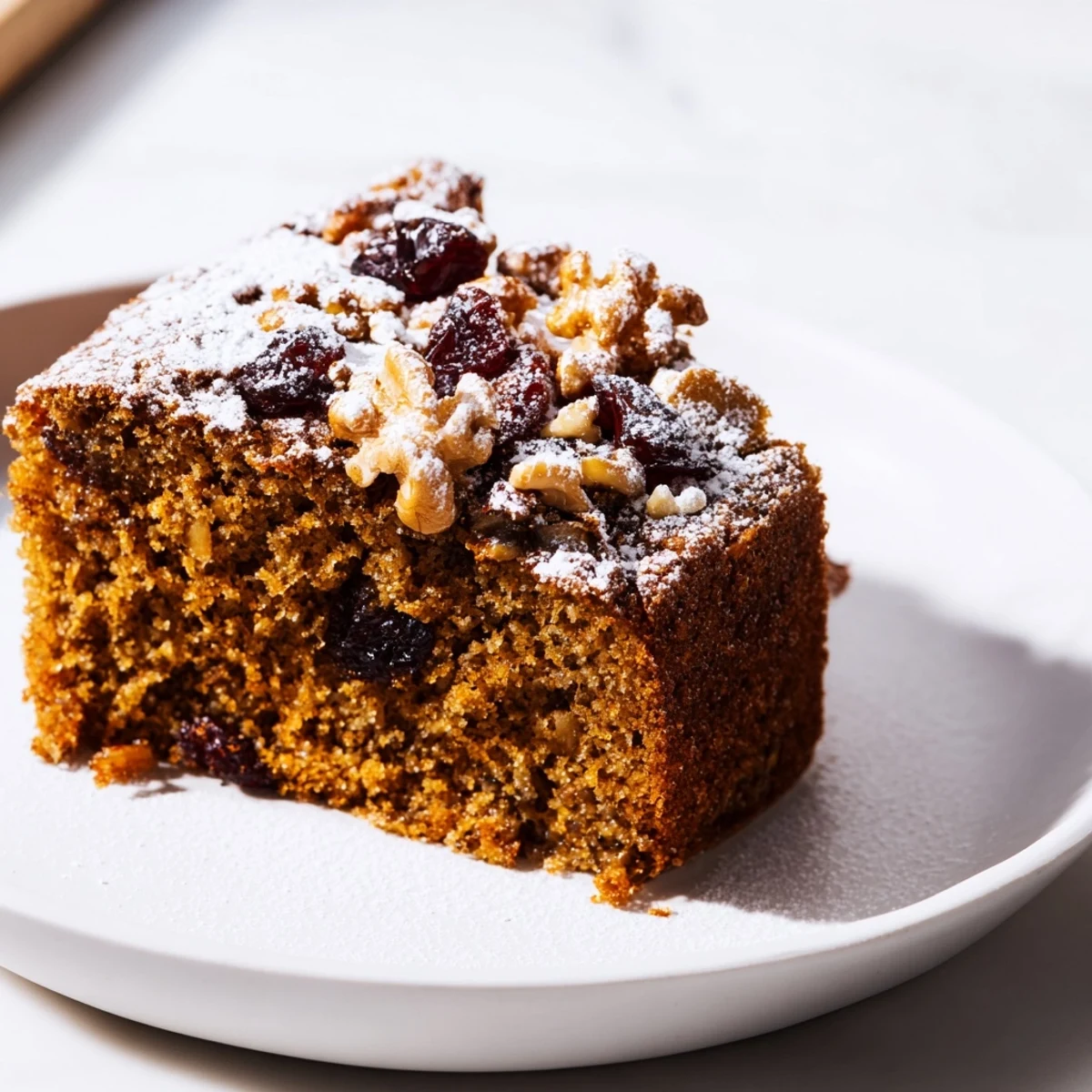
Save This moist spiced cake blends warm cinnamon, ginger, nutmeg, and cloves into a tender, flavorful dessert perfect for any cozy occasion. The batter combines all-purpose flour, baking powder, and a mix of warm spices folded gently with buttermilk and vegetable oil, creating a soft crumb. Optional nuts and dried fruits add texture and bursts of sweetness. Bake until golden and serve cooled, optionally topped with cream cheese frosting or powdered sugar. A comforting and festive treat that pairs wonderfully with tea or coffee.
My sister called on a rainy Tuesday asking if I could bring dessert to her book club, and I had exactly two hours to make something that wouldn't taste rushed. I'd been craving warm spices for weeks, so I pulled together this cake—cinnamon, ginger, nutmeg all swirling into something deeply comforting. The moment it came out of the oven, the kitchen smelled like fall even though it was the middle of spring, and I knew I'd made the right call.
Three of my friends devoured this cake while debating a mystery novel they'd all misread differently, and nobody could place exactly what made it taste so satisfying—just that it paired perfectly with the chaos of their conversation. I loved watching them slow down mid-bite, realizing the flavor was more complex than they'd expected.
Ingredients
- All-purpose flour (2 cups): The foundation that keeps this cake tender; measure by spooning into the cup and leveling, not scooping straight from the bag, which adds extra flour and makes things dense.
- Baking powder and baking soda (1½ teaspoons and ½ teaspoon): Together they lift the batter gently without making it airy or crumbly.
- Salt (½ teaspoon): Brings out the spices and balances sweetness in ways you won't notice until it's missing.
- Ground cinnamon, ginger, nutmeg, and cloves (2, 1, ½, and ¼ teaspoons): Use fresh spices if possible; old ones taste dusty rather than warm and alive.
- Granulated and brown sugar (1 cup and ½ cup): The brown sugar adds moisture and depth that white sugar alone can't achieve.
- Vegetable oil (½ cup): Oil keeps this cake moist longer than butter would, and it makes the crumb tender without being greasy.
- Eggs and vanilla (2 large and 1 teaspoon): Room temperature eggs emulsify better and create a smoother batter; cold eggs can cause lumps.
- Buttermilk (1 cup): The acidity reacts with the baking soda and tenderizes the flour, creating that soft, almost velvety crumb.
- Walnuts or pecans and dried fruit (optional ½ cup each): These add texture and little bursts of flavor, but the cake is complete without them.
Instructions
- Set your oven to 350°F and prepare the pan:
- Preheat for about 10 minutes so the batter starts baking the moment it goes in. Grease and flour a 9-inch round pan thoroughly, or line it with parchment paper if you want to remove the cake with absolute certainty.
- Combine all dry ingredients:
- In a medium bowl, whisk together flour, baking powder, baking soda, salt, and all four spices until evenly distributed. This whisking matters more than you'd think—it catches lumps and ensures the leavening agents are spread throughout rather than clumped.
- Mix the wet base:
- In a large bowl, beat the granulated sugar, brown sugar, and oil together until they look like wet sand. Add eggs one at a time, beating well after each so they fully incorporate, then stir in vanilla.
- Alternate and fold:
- Pour a third of the dry mixture into the wet ingredients, stir gently until almost combined, then add half the buttermilk and fold together. Repeat—dry, then buttermilk—and finish with the remaining dry ingredients. Stop mixing the moment you don't see white streaks; overmixing develops gluten and makes the cake tough.
- Add texture if you wish:
- Fold in nuts and dried fruit gently so they stay suspended throughout rather than sinking.
- Pour and smooth:
- Transfer the batter to your prepared pan and use a spatula to level the top so it bakes evenly.
- Bake until a toothpick comes clean:
- Bake for 35 to 40 minutes; the cake will feel set on top but still have a slight springiness when you press it gently. A toothpick inserted into the center should come out clean or with just a few moist crumbs clinging to it.
- Cool and transfer:
- Let the cake rest in the pan for 10 minutes so it sets just enough to hold together, then turn it onto a wire rack to cool completely. This cooling step prevents the bottom from getting soggy.
 Save
Save A friend who doesn't usually eat sweets mentioned this cake tasted like a memory she couldn't quite name, something her grandmother made, and that moment reminded me why these warm spices matter so much. They tap into something deeper than just flavor.
Flavor and Aroma
The combination of cinnamon, ginger, nutmeg, and cloves creates a flavor profile that feels both nostalgic and modern—warm enough to feel comforting but balanced enough that no single spice dominates. The buttermilk keeps the cake from tasting dry or cake-like in that heavy way; instead it's tender and almost creamy inside. If you want the spice to shine even more, serve slices while they're still slightly warm, when the aromatics are most vibrant.
When to Make This
This cake belongs at autumn gatherings but honestly tastes just as good in the middle of summer with cold coffee on the porch. It's forgiving enough to make on a weeknight and elegant enough to bring to a dinner party, which is the mark of a recipe worth keeping. The prep work takes barely twenty minutes, so you can make it the same day you need it.
Serving and Storage Ideas
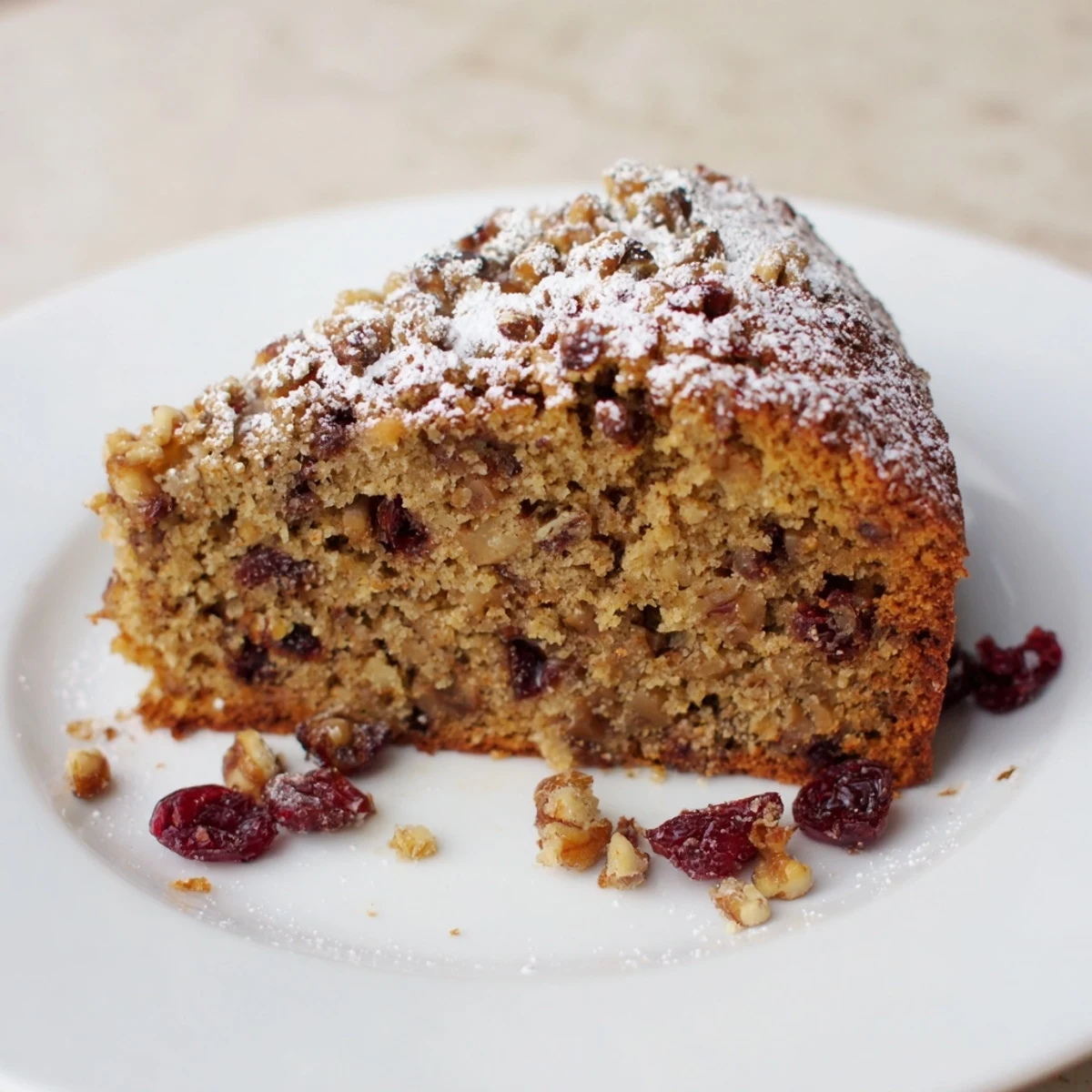
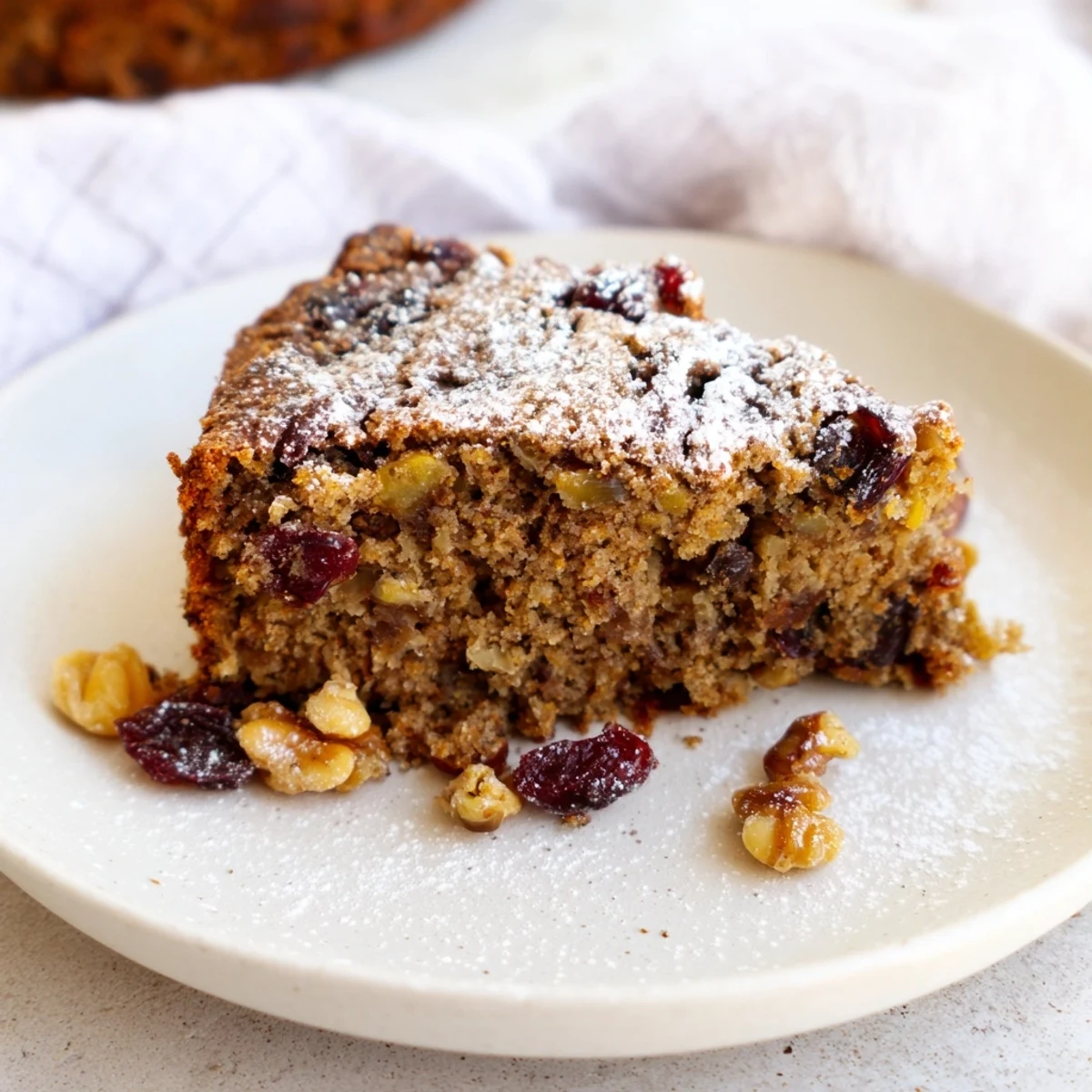
Dust the finished cake with powdered sugar for an extra touch of elegance, or spread a thin layer of cream cheese frosting on top if you want richness. Serve it with spiced tea, strong coffee, or even a glass of milk and watch people's expressions as they taste it. The cake keeps well in an airtight container for three days and actually tastes better the next day as the flavors settle and deepen.
- For make-ahead ease, bake the cake a day ahead and dust with powdered sugar just before serving.
- If dairy-free is necessary, swap the buttermilk for almond milk curdled with lemon juice and the result is just as tender.
- Leftover slices warm beautifully in a 300°F oven for a few minutes, bringing back that fresh-from-the-oven feeling.
 Save
Save This cake has become my go-to when I need to feel like I've done something thoughtful in the kitchen without stress. It's the kind of recipe that proves you don't need complexity to create something people actually want to eat.
Questions & Answers
- → What spices are used for the aromatic flavor?
-
The cake features warm spices including cinnamon, ginger, nutmeg, and cloves to create a rich aroma and taste.
- → Can I add nuts or dried fruits?
-
Yes, chopped walnuts or pecans and dried raisins or cranberries can be folded into the batter for added texture and sweetness.
- → How do I ensure the cake stays moist?
-
Using buttermilk and vegetable oil together helps keep the cake moist and tender without drying out during baking.
- → Is there a dairy-free option for the moistness?
-
You can substitute buttermilk with almond milk mixed with lemon juice to create a dairy-free alternative that maintains moisture.
- → What is the recommended baking temperature and time?
-
Bake at 350°F (175°C) for 35-40 minutes until a toothpick inserted in the center comes out clean.
- → How should the cake be cooled before serving?
-
Let the cake cool in the pan for 10 minutes, then transfer to a wire rack to cool completely before slicing.