
 Save
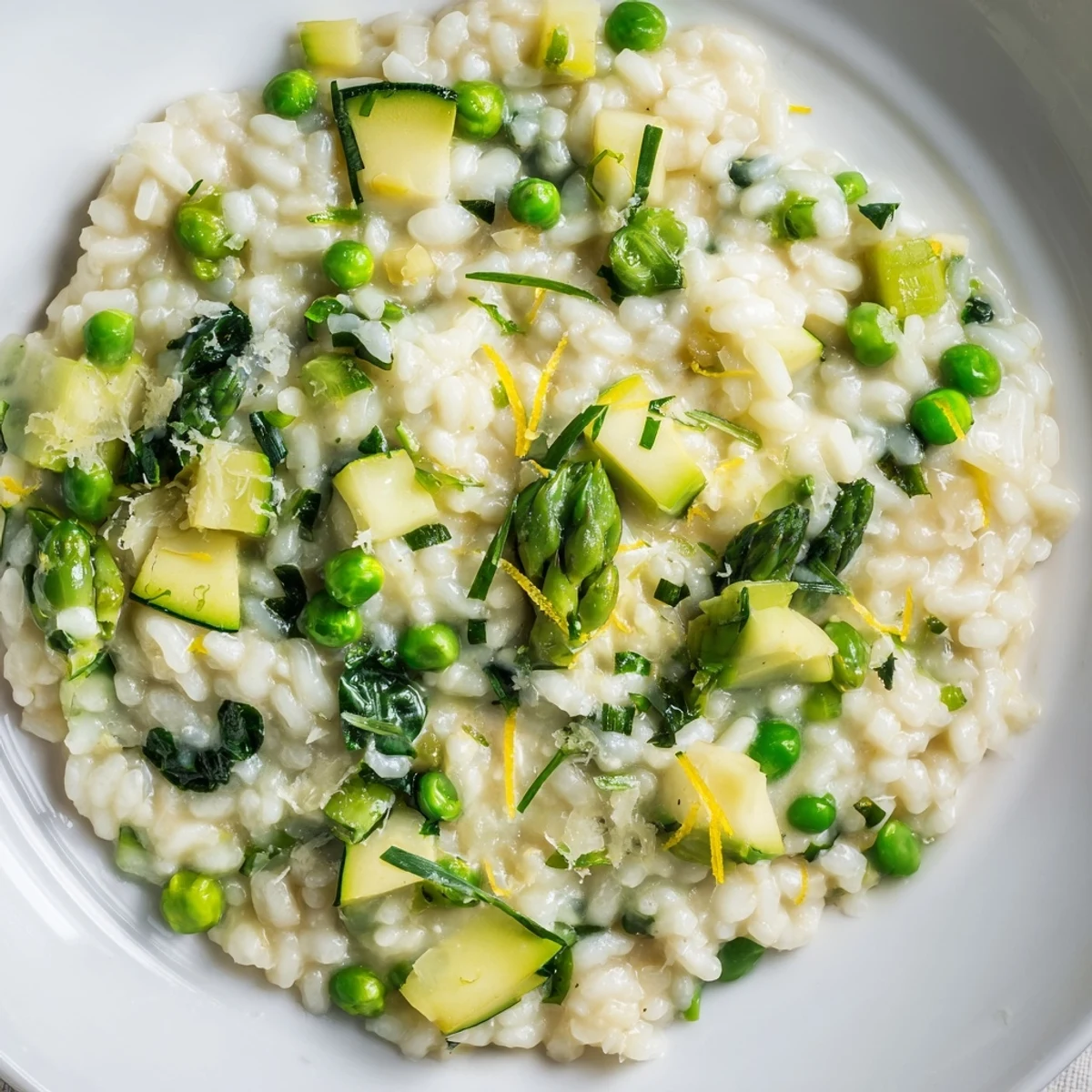
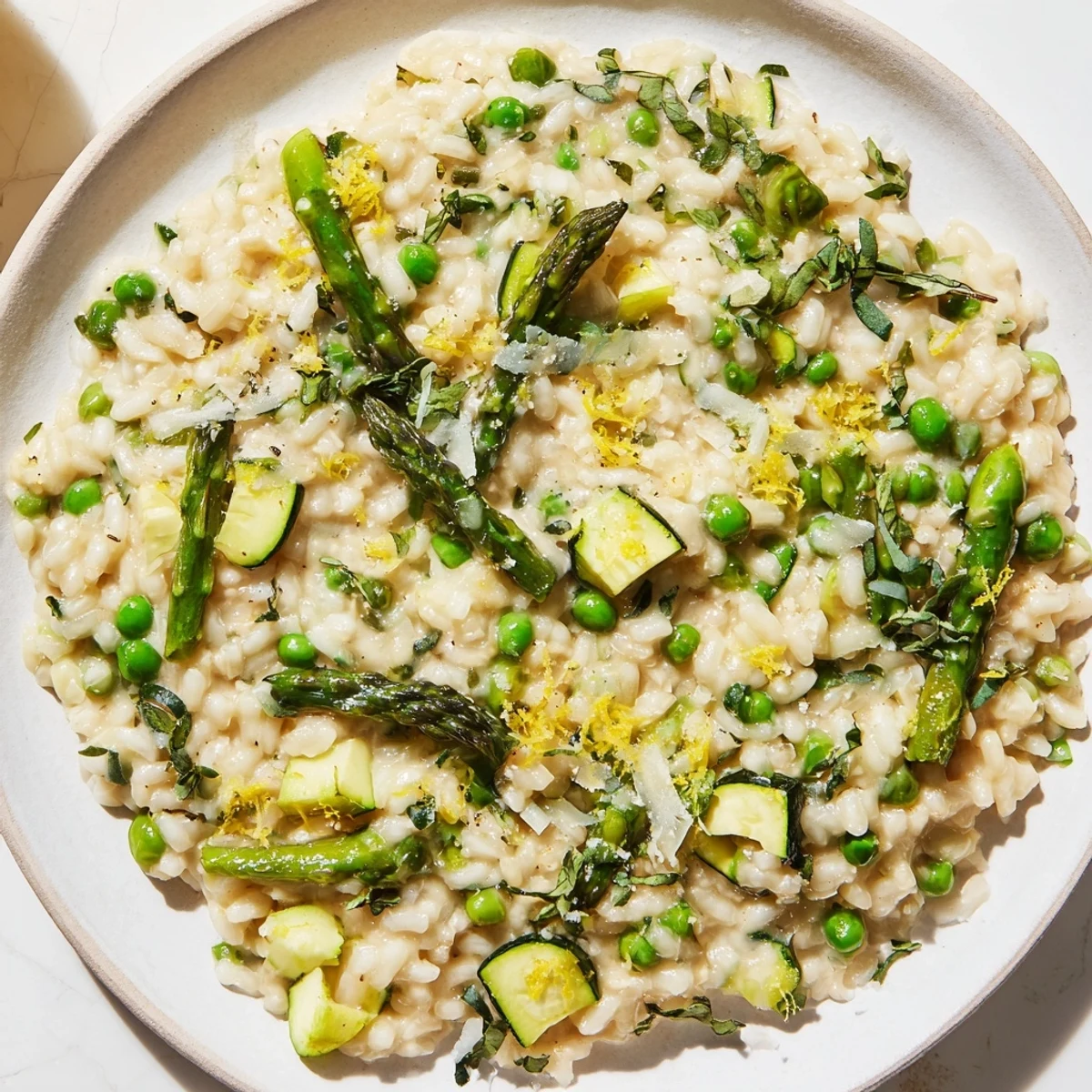
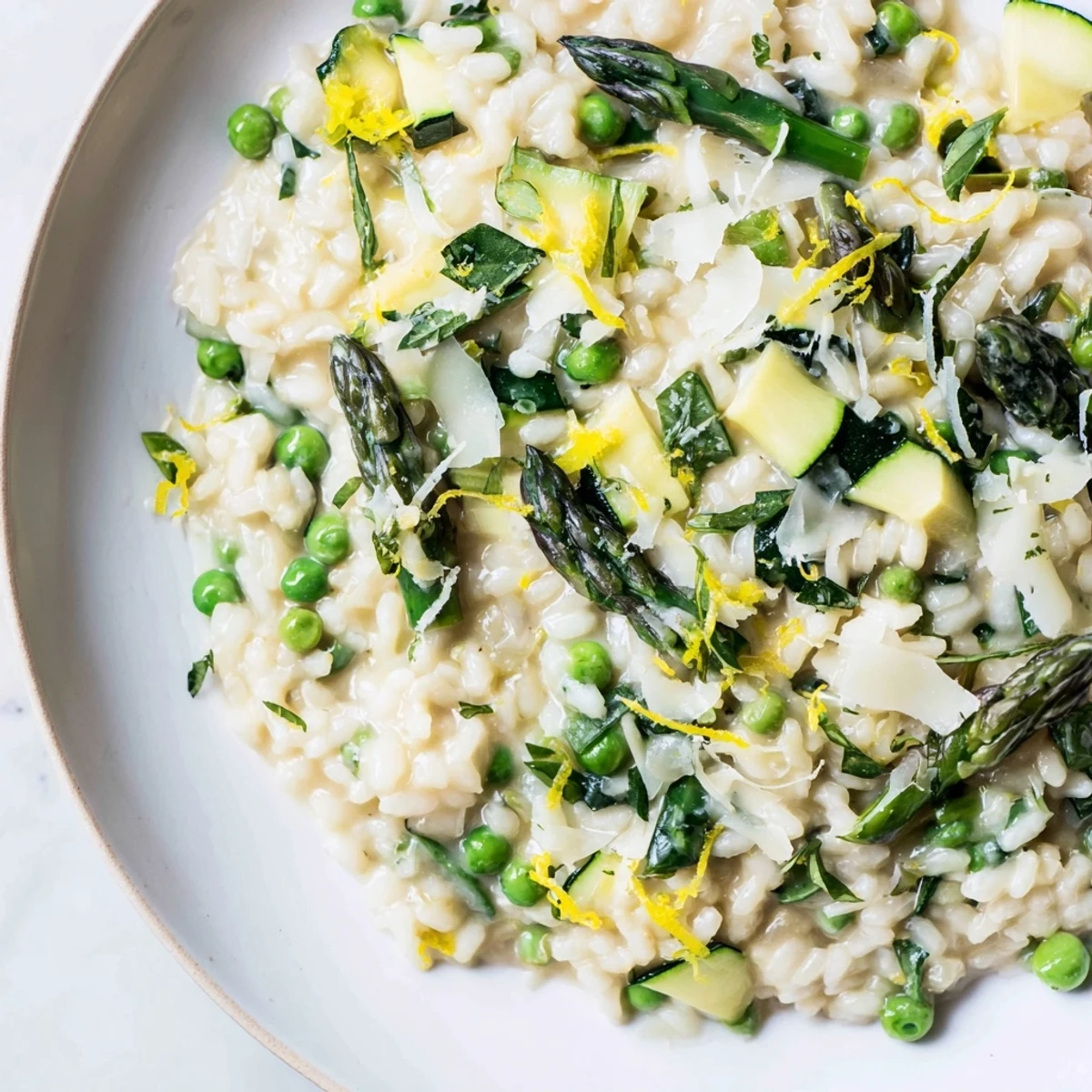
Save This creamy risotto brings together tender spring vegetables like asparagus, peas, zucchini, and spinach with Arborio rice. Slowly cooked by gradually adding warm vegetable broth, the dish melds flavors beautifully. Aromatics like shallot, leek, and garlic create a savory base, enhanced by butter and Parmesan cheese. Fresh lemon zest and juice add a bright, zesty finish while chopped herbs provide freshness. Perfect for a satisfying and colorful vegetarian meal.
The first time I made risotto properly was on a rainy Tuesday when I needed something that felt like a hug in a bowl. My Italian friend had watched me stir hurriedly and gently corrected me with a smile about patience being the real secret ingredient. Now this spring version is what I make when the farmers market starts overflowing with bright green things and I want something that celebrates the season.
Last spring I made this for my book club and watched everyone go quiet around the table, which is basically the highest compliment a home cook can receive. Someone actually asked if there was cream in it and I got to explain that the magic is all in the rice itself and how you coax it into creaminess.
Ingredients
- 1½ cups Arborio rice: This short-grain rice releases its starch slowly creating that signature creamy texture without any actual cream
- 1 cup asparagus: Trimmed and cut into 1-inch pieces because they cook more evenly and look beautiful against the pale rice
- 1 cup fresh or frozen peas: Fresh peas are worth seeking out in spring but frozen work beautifully in a pinch
- 1 cup baby spinach: Added at the very end so it just wilts into the risotto rather than disappearing completely
- 1 small zucchini: Diced small so it cooks through in the same amount of time as the rice
- 1 small leek: White and light green parts only thinly sliced to add a sweet onion flavor without the harshness
- 2 tablespoons olive oil: Use a good one since the flavor comes through clearly
- 4 tablespoons unsalted butter: Divided use because butter at the beginning adds richness while butter at the end creates that velvety restaurant finish
- 2 cloves garlic: Minced finely so it disperses throughout the dish rather than creating little garlic bombs
- 1 small shallot: Finely chopped for a milder sweeter onion flavor than regular onions
- ½ cup dry white wine: Something you would actually drink because the flavor concentrates as it cooks down
- 4 cups vegetable broth: Warmed because adding cold broth shocks the rice and affects the final texture
- 1 teaspoon lemon zest: Grated carefully avoiding the bitter white pith underneath
- 2 tablespoons lemon juice: Added at the end to preserve its bright fresh flavor
- ½ cup grated Parmesan: Plus extra for serving because theres no such thing as too much cheese
- 2 tablespoons fresh herbs: Parsley chives or basil whichever calls to you at the market
Instructions
- Warm the broth:
- Pour the vegetable broth into a saucepan and keep it warm over low heat while you cook the risotto so each addition is at the right temperature.
- Build the base:
- Heat the olive oil and 2 tablespoons butter in a large heavy pan over medium heat then add the shallot leek and garlic sautéing for 2 to 3 minutes until softened and fragrant.
- Toast the rice:
- Add the Arborio rice and stir for 1 to 2 minutes until the grains look slightly translucent around the edges and smell nutty.
- Add the wine:
- Pour in the white wine and stir constantly until its completely absorbed by the rice leaving behind a subtle acidic note.
- Begin the broth rhythm:
- Add one ladleful of warm broth and stir gently until mostly absorbed then repeat this process for about 10 minutes establishing a steady meditative rhythm.
- Add the harder vegetables:
- After 10 minutes add the asparagus zucchini and peas continuing to add broth gradually and stir frequently as the rice cooks.
- Finish with the delicate elements:
- When the rice is creamy and al dente stir in the spinach lemon zest and lemon juice cooking just 1 to 2 minutes until the spinach wilts.
- Create the final emulsion:
- Remove from heat and vigorously stir in the remaining butter Parmesan and fresh herbs until the risotto becomes impossibly creamy and glossy.
 Save
Save My mother in law still talks about the first time she had this at our house mentioning how she never thought she liked zucchini until she tasted it in this risotto. Sometimes the way you serve someone a vegetable they think they hate changes everything.
Making It Your Own
I have swapped fava beans for the peas when spring feels particularly fava-forward and once used sugar snap peas sliced thin when the market was out of snow peas. The template stays the same but the vegetables can shift with whatever looks best at the farmers market.
Timing Everything Right
The trickiest part is coordinating when to add each vegetable so everything finishes at the same moment. Harder vegetables like asparagus need about 10 minutes while delicate spinach only needs a minute or two at the end.
Getting The Texture Just Right
Risotto should flow across the plate like lava not sit in a mound and it should have a tiny bit of resistance in the center of each grain. You want that al dente bite that shows you have not turned it into mush.
- Test a grain of rice against your teeth to check the doneness
- The risotto will continue thickening off the heat so stop slightly before your desired consistency
- If you need to thin it at the end add another splash of warm broth
 Save
Save Every spring when asparagus season arrives this risotto finds its way onto our table at least a handful of times and I am reminded all over again why some dishes never get old.
Questions & Answers
- → What vegetables work best in this dish?
-
Spring vegetables like asparagus, peas, zucchini, spinach, and leeks provide freshness and texture, perfectly complementing the creamy rice.
- → How do you achieve the creamy texture?
-
Gradually adding warm vegetable broth to the Arborio rice while stirring releases starches, resulting in a rich, creamy consistency.
- → Can I substitute the Parmesan cheese?
-
Yes, for a vegan version, replace Parmesan with nutritional yeast or a plant-based cheese alternative.
- → What role does lemon play in this dish?
-
Lemon zest and juice add a bright, zesty note that balances the richness of the butter and cheese.
- → How do you keep the vegetables vibrant and tender?
-
Add vegetables at different cooking stages; sturdier ones like asparagus cook earlier, while spinach is stirred in last to wilt gently.