
 Save
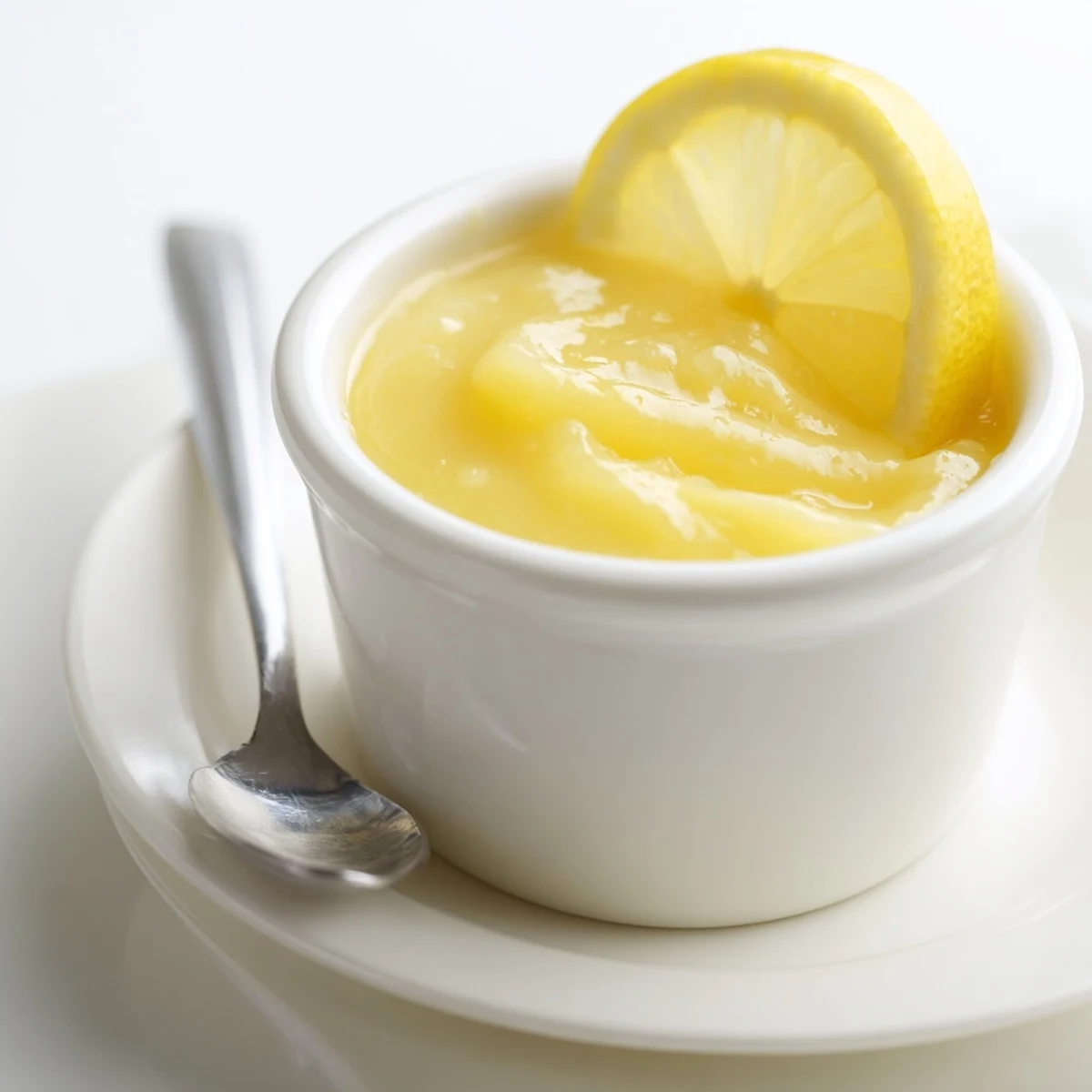
Save Bright, silky lemon curd comes together by whisking eggs, yolk, sugar, lemon zest and juice, then gently cooking over a simmer (double boiler) with cubed butter until the mixture thickly coats a spoon. Strain for extra smoothness, cover to prevent a skin, chill to set, and store chilled in an airtight jar. For a richer finish, use extra yolks; adjust juice for more tang.
The smell of lemon zest hitting a warm whisk is one of those small kitchen pleasures that stops me in my tracks every single time. My friend Sarah once walked into my kitchen while I was making this curd and stood there with her eyes closed, just breathing it in, before saying it smelled like Sunday morning should feel. That pretty much sums up what homemade lemon curd does to a room. It turns an ordinary afternoon into something worth remembering.
I made a double batch of this for a baby shower last spring and watched guests abandon the fancy pastries to scoop curd directly onto plain toast with their fingers. There is something deeply satisfying about watching people lose their composure over a spread.
Ingredients
- 3 large lemons, zest finely grated and juiced (about 120 ml juice): Room temperature lemons yield significantly more juice, so take them out of the fridge an hour before you start or roll them firmly on the counter while pressing down.
- 115 g unsalted butter, cubed: Cold cubed butter melts gradually into the mixture, which helps the curd emulsify smoothly without splitting or turning greasy.
- 3 large eggs plus 1 large egg yolk: That extra yolk is the secret to the silky, luxurious texture that makes this curd feel like a proper indulgence rather than a simple sauce.
- 200 g granulated sugar: The sugar balance here is designed to let the lemon shine through without tipping into cloying territory, so measure carefully and resist the urge to adjust on your first try.
Instructions
- Whisk everything together:
- In a medium heatproof bowl, combine the eggs, egg yolk, sugar, lemon zest, and lemon juice, whisking until the mixture looks uniform and slightly frothy with no streaks of yolk visible.
- Set up your double boiler:
- Place the bowl over a saucepan filled with about an inch of gently simmering water, making absolutely sure the bottom of the bowl hovers above the water and never touches it directly.
- Stir in the butter and cook patiently:
- Add the cubed butter and whisk constantly as the mixture gently heats, feeling it gradually transform from thin and watery to thick and glossy, which takes about ten to fifteen minutes.
- Strain for silkiness:
- Remove the bowl from heat and pour the curd through a fine mesh sieve into a clean bowl, using a spatula to press it through and catch any bits of cooked egg or stubborn zest fragments.
- Cool and chill properly:
- Press plastic wrap directly against the surface of the curd to prevent a skin from forming, then let it cool to room temperature before refrigerating for at least two hours so it sets into the perfect spreadable consistency.
 Save
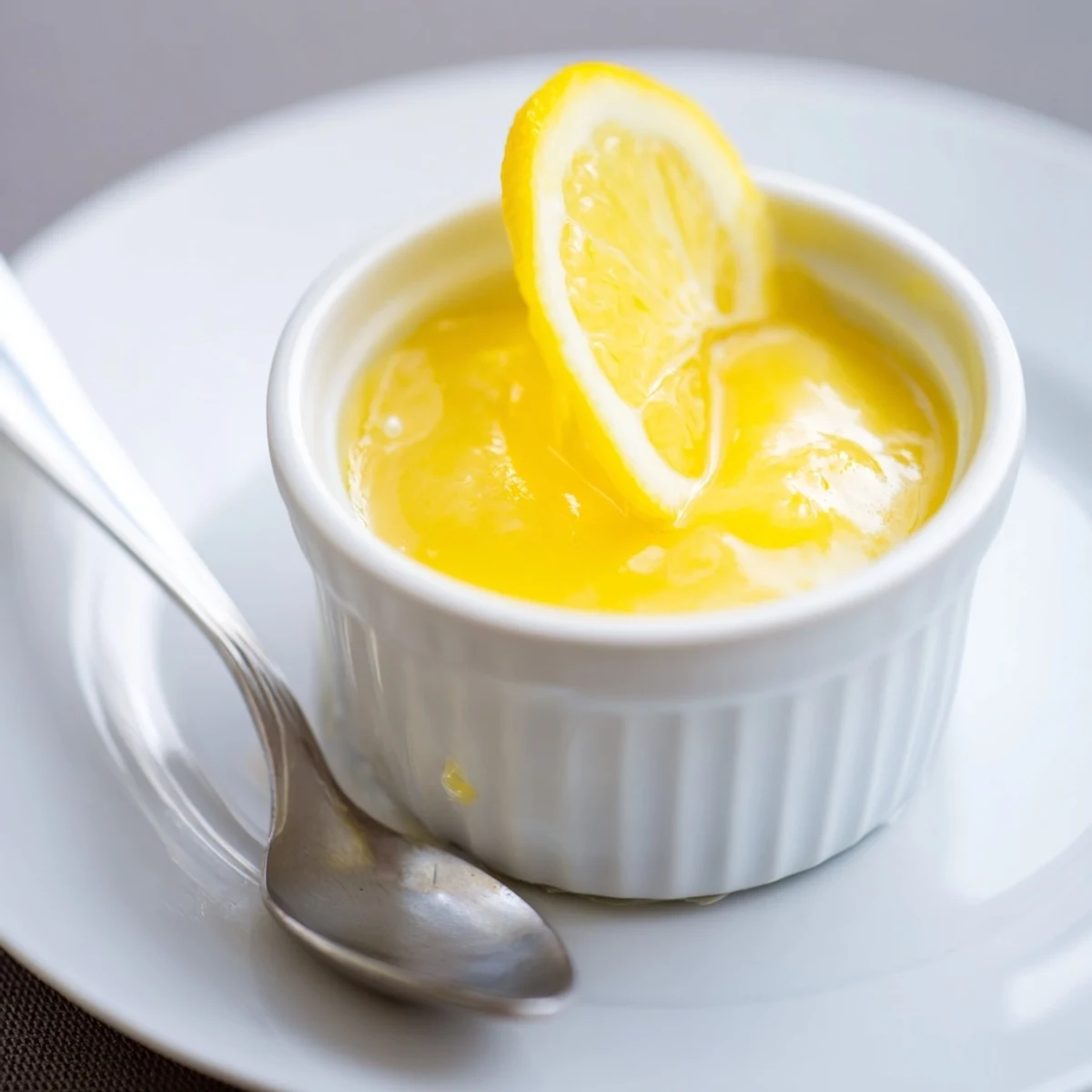
Save I once jarred this curd in little mismatched jars and handed them out as holiday gifts, and three separate people texted me within a week asking for the recipe. That is the kind of loyalty a good lemon curd inspires.
Choosing and Prepping Your Lemons
Meyer lemons will give you a sweeter, more floral curd while standard supermarket lemons deliver that classic sharp tang most people associate with traditional British lemon curd. Either works beautifully, but whatever you choose, zest before you juice because trying to zest a spent lemon half is a frustrating exercise in futility. I learned that one the hard way on a bleary eyed Saturday morning.
Storing and Using Your Curd
This curd keeps beautifully in an airtight container in the refrigerator for up to two weeks, though honestly it rarely lasts that long in my house. Beyond the obvious scones and toast, try swirling it into Greek yogurt, spreading it between layers of sponge cake, or eating a spoonful straight from the jar when no one is looking.
Getting the Texture Just Right
The difference between good curd and exceptional curd comes down to patience and a few small techniques that make all the difference.
- Always use a heavy bottomed bowl for your double boiler because thin glass or metal can create hot spots that scramble the eggs unevenly.
- Test doneness by coating the back of a spoon and running your finger through it; the trail should hold clean and not run back together.
- Remember that the straining step is not optional if you want that perfectly smooth, restaurant quality finish.
 Save
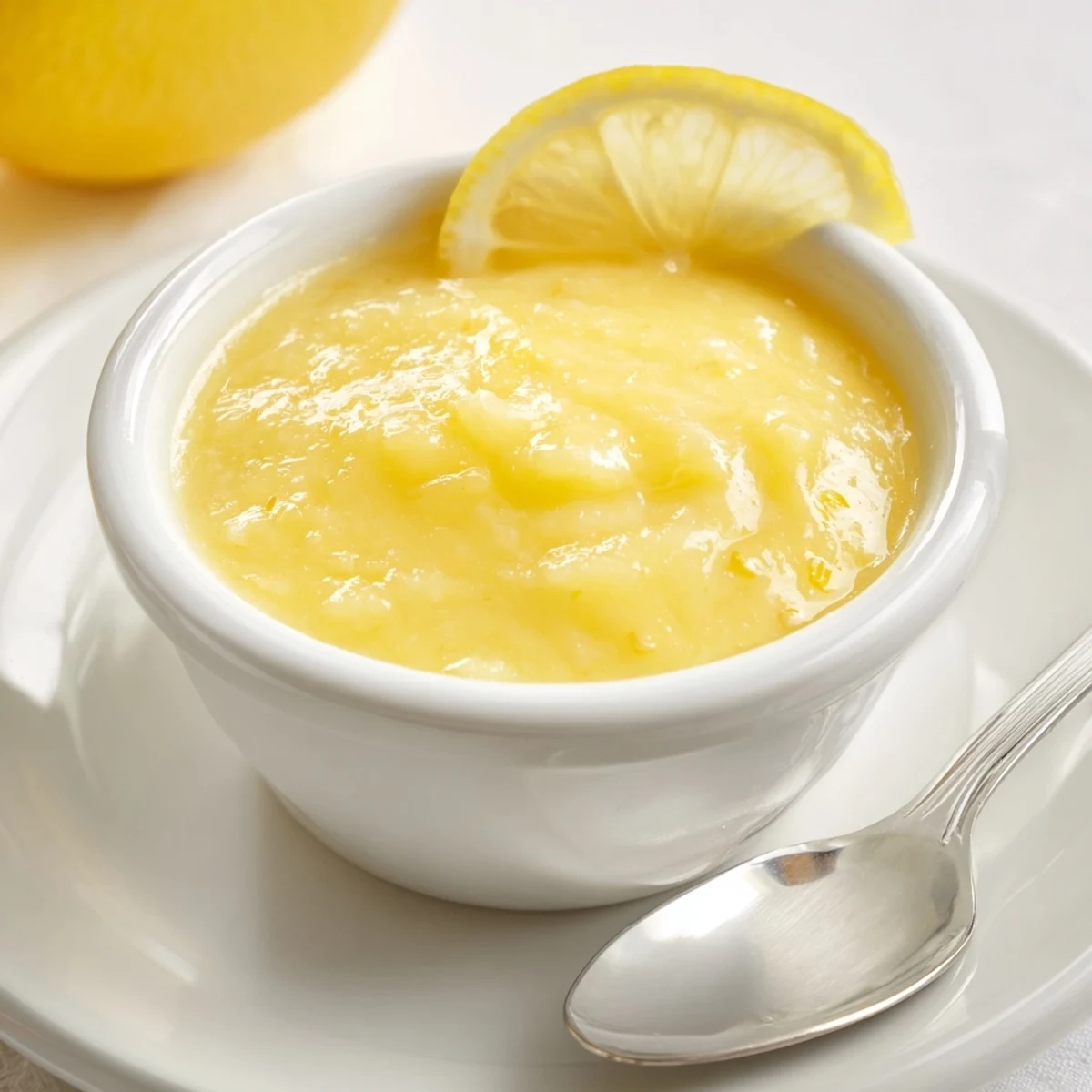
Save Homemade lemon curd is one of those quietly magical recipes that turns a handful of humble ingredients into something luminous. Keep a jar in your fridge and your breakfasts will thank you.
Questions & Answers
- → How do I prevent the curd from curdling?
-
Use gentle, indirect heat (double boiler) and whisk constantly. Cook slowly until it thickly coats the back of a spoon; if it approaches curdling, remove from heat and continue whisking off the heat. Straining helps remove any coagulated bits.
- → Can I use only egg yolks for a richer result?
-
Yes. Using only yolks yields a richer, silkier texture and deeper color, but the curd will be denser. Cook gently and watch thickness closely, as it will set more firmly when chilled.
- → What is the best way to store lemon curd?
-
Cool to room temperature, press plastic wrap on the surface to prevent a skin, then refrigerate in a clean airtight jar. It keeps well for about two weeks. For longer storage, freeze in portions for up to three months and thaw in the refrigerator.
- → Can I substitute other citrus for lemon?
-
Yes. Lime or orange work well—adjust sugar to balance acidity and taste. Grapefruit can be used for a more bitter note. Zest and fresh juice are key to preserving bright citrus flavor.
- → My curd looks split or grainy—how can I fix it?
-
Pass the mixture through a fine sieve to remove curdled bits, then whisk in small pieces of cold butter off the heat to re-emulsify. If needed, warm gently while whisking or briefly blend to smooth, then chill.
- → What are good uses for lemon curd?
-
Spread on scones or toast, fill tarts, swirl into yogurt, layer into cakes and trifles, or use as a bright finishing element for desserts and pavlovas.